
Why Your Home Feels Drafty as Temperatures Drop
Cooler weather has a way of exposing every weak point in your home. Rooms that felt fine all summer suddenly have cold spots near windows, floors feel chilly underfoot, and you can sense air moving where no vent exists. Drafts are more than a comfort problem. They force your heating system to run longer, drive up energy bills, and signal air leaks that let conditioned air escape all year. Homeowners across East Tennessee deal with this every fall as temperatures start to swing between warm afternoons and cold nights. The good news is that drafts have identifiable causes, and most of them can be fixed. This guide explains why your home feels drafty as temperatures drop, what you can do about it, and when to call a professional. Understanding the source of the problem is the first step toward a warmer, more efficient home.
What Causes a Drafty Home When Temperatures Drop
A drafty home is almost never caused by one single problem. Cold air infiltration happens because of a principle called the stack effect; warm air rises and escapes through the upper parts of your home, which pulls cold outside air in through gaps near the foundation, windows, and doors. The bigger the temperature difference between inside and outside, the stronger this effect becomes, which is exactly why drafts feel worse as temperatures drop. Your home may have had these leaks all summer without you noticing them. Leaky ductwork, thin insulation, and worn seals around windows and doors are the three most common culprits. Each one allows heated air to escape while pulling unconditioned air inside. Identifying which of these issues affects your home determines the right fix. Below, we break down each cause of a drafty home in detail.
Leaky Ductwork Makes a Drafty Home Worse
Your duct system is supposed to be a sealed pathway that carries heated air from your furnace or heat pump to every room. In reality, the average home loses 20 to 30 percent of its conditioned air through duct leaks, according to ENERGY STAR data. Ducts that run through attics, crawl spaces, and garages are especially prone to leaking because those spaces are unconditioned. When heated air escapes into a crawl space instead of reaching your living room, that room feels drafty and cold no matter how long the system runs. Leaks also create pressure imbalances inside the home. Negative pressure in certain rooms actively pulls cold outdoor air in through every tiny gap in the walls, windows, and floors. This is why a duct problem in your crawl space can make your bedroom feel drafty two floors away. Ductwork issues are invisible from inside the home, which is why so many homeowners never suspect them.
Duct leaks develop over time from normal wear. Metal duct sections separate at their joints as the material expands and contracts with each heating and cooling cycle. Old duct tape dries out and peels away, leaving open seams behind. Flexible ductwork gets crushed, torn, or disconnected by pests, stored items, or foot traffic in the attic. Rodents in crawl spaces chew through flex duct and nest inside insulation wrapped around trunk lines. Even a duct system that was installed perfectly 15 years ago has likely developed measurable leakage by now. Homes older than 20 years often have ducts that were never properly sealed in the first place. Every one of those gaps bleeds heated air and money.
The signs of leaky ductwork are consistent and easy to recognize once you know them. Rooms farthest from the furnace feel noticeably colder than rooms nearby. Your energy bills climb each winter even though your habits have not changed. You hear whistling or rushing air sounds near vents or inside walls. Dust accumulates quickly because leaks in return ducts pull dirty air from attics and crawl spaces into your system. Weak airflow from certain registers is another strong indicator. A professional duct inspection can measure leakage and locate every gap. Is dirty, leaky ductwork making your home drafty and dusty? Click here for our air duct cleaning service.

Poor Insulation Creates a Drafty Home
Insulation is your home’s thermal barrier, and when it falls short, drafts follow. Many East Tennessee homes were built with the minimum insulation required at the time, and building codes decades ago required far less than today’s standards. Attic insulation settles and compresses over the years, losing much of its rated performance. Insulation that gets wet from a roof leak or condensation loses effectiveness permanently. Some older homes have almost no insulation in the walls at all. When the thermal barrier is weak, interior surfaces like walls, ceilings, and floors become cold to the touch. Warm indoor air that contacts these cold surfaces cools rapidly and sinks, creating air currents that feel exactly like a draft even when no outside air is entering. This phenomenon is called a convective loop, and it makes well sealed rooms feel drafty anyway.
Floors above crawl spaces are one of the biggest insulation weak points in this region. Crawl space insulation often falls out of the floor joists, gets pulled down by moisture, or gets destroyed by pests. Once that happens, the cold air in the crawl space chills your floor from below all winter long. Rim joists, the wooden band that runs around the perimeter of your foundation, are frequently left uninsulated and unsealed entirely. Attic access hatches, pull down stairs, and knee walls in bonus rooms are other common gaps in the insulation envelope. Recessed light fixtures cut into ceilings create dozens of small penetrations where heated air escapes into the attic. Each of these weak points contributes to the overall drafty feeling in the home. Together they can account for a significant share of your winter heat loss.
Fixing insulation problems delivers some of the best returns of any home improvement. The Department of Energy estimates that homeowners can save an average of 15 percent on heating and cooling costs by air sealing and adding insulation. Start with an attic inspection, since heat rises and the attic is where most homes lose the most energy. Look for insulation that sits below the top of the ceiling joists; that usually means you need more. Check the crawl space for fallen or missing floor insulation while you are at it. Insulation upgrades also reduce strain on your furnace or heat pump, which extends equipment life. A home with proper insulation holds its temperature longer during power outages too. Pairing insulation improvements with a professionally tuned heating system gives you the full benefit of both investments.
Aging Windows and Doors Lead to a Drafty Home
Windows and doors are the most obvious sources of drafts because you can often feel the cold air moving right at them. Weatherstripping around door frames compresses, cracks, and tears with years of use. Door sweeps at the bottom of exterior doors wear down and leave a visible gap you can sometimes see daylight through. Window sashes shift out of square as a house settles, breaking the seal between the sash and the frame. Old single pane windows conduct cold directly through the glass itself, chilling the air beside them. Caulk around window and door frames dries out and separates, opening thin cracks that run the entire perimeter of the opening. Locks that no longer pull a window or door tight against its seal make the problem worse. Individually these gaps look small, but added together they can equal a hole the size of an open window.
Testing for window and door leaks is something any homeowner can do in an afternoon. On a cold, windy day, hold a lit incense stick or a thin strip of tissue near the edges of each window and door. Watch for the smoke or tissue to flutter; movement means air is leaking through. Run the back of your hand slowly around each frame and feel for cold streams of air. Check the meeting rail where double hung window sashes come together, since this joint leaks often. Inspect the caulk lines outside for cracks and separation from the siding. Look at your door sweeps and thresholds for daylight showing through. Mark every leak you find with painter’s tape so you can seal them systematically.
Sealing windows and doors is affordable and effective. Replace worn weatherstripping with new foam, rubber, or vinyl material sized for your door and window gaps. Install fresh door sweeps on every exterior door. Apply new exterior caulk around frames after removing the old, failed material. Interior window insulation film adds a temporary air barrier for the coldest months and costs very little. Cellular shades and heavy curtains add another layer of resistance against cold glass. If your windows are original single pane units, replacement may eventually make sense, but sealing should always come first. Remember that even perfectly sealed windows cannot fix drafts caused by duct leaks or a struggling heating system, so address the whole picture.
How to Fix a Drafty Home Before Winter Arrives
Fall is the ideal season to fix a drafty home because you still have mild weather to work in and time before the first hard freeze. The right approach follows a logical order: find the leaks, seal the leaks, then make sure your heating system and ductwork can deliver warm air efficiently. Skipping steps leads to disappointment; homeowners who replace windows without sealing ducts often wonder why the house still feels cold. Air sealing should come before insulation, because insulation slows heat transfer but does not stop air movement. Duct sealing and heating system maintenance should happen before the heating season begins, when schedules are open and you are not waiting in an emergency queue. Most of these fixes pay for themselves through lower energy bills within a few seasons. A systematic plan turns a drafty house into a comfortable one. Here is how to fix a drafty home step by step.
Seal Air Leaks to Fix a Drafty Home
Start your air sealing project at the top of the house and work down. The attic is priority one because escaping warm air at the top is what drives cold air infiltration at the bottom. Seal gaps around plumbing vent pipes, electrical wire penetrations, and chimney chases with caulk or expanding foam rated for the application. Weatherstrip and insulate the attic hatch or pull down stairs; an uninsulated hatch is like leaving a window open in your ceiling. Cover recessed lights with airtight, insulation contact rated covers if your fixtures allow it. Seal the top plates of interior walls where they meet the attic floor, since these long cracks leak significant air. These attic fixes are invisible from the living space but produce results you can feel. A single weekend of attic sealing often does more than months of chasing drafts room by room.
Next, move to the bottom of the house. Seal the rim joist in the basement or crawl space with caulk or foam board and spray foam. Close gaps around water lines, drain pipes, gas lines, and electrical conduits where they pass through the foundation or floor. Make sure the crawl space door or hatch closes tightly and has weatherstripping. Check foundation vents and confirm they are appropriate for your crawl space design. Inside the living space, seal around baseboards, electrical outlets on exterior walls, and any gaps where flooring meets exterior walls. Foam gaskets behind outlet and switch plates cost pennies and take minutes to install. Every sealed gap reduces the stack effect that pulls cold air inside.
Do not forget the mechanical penetrations that many homeowners overlook. Dryer vents, bathroom exhaust vents, and kitchen range hood ducts all pass through exterior walls and need tight fitting dampers. A stuck or broken damper flap lets cold air pour in whenever the fan is off. Seal around the vent housings where they penetrate the wall. Check where your HVAC refrigerant lines and condensate drain pass through the exterior wall, since these are often sealed poorly at installation. Fireplace dampers should close fully when the fireplace is not in use; an open damper is one of the largest single air leaks in any home. Consider a chimney balloon for a fireplace you never use. Combine all these small fixes and the cumulative reduction in drafts is substantial.
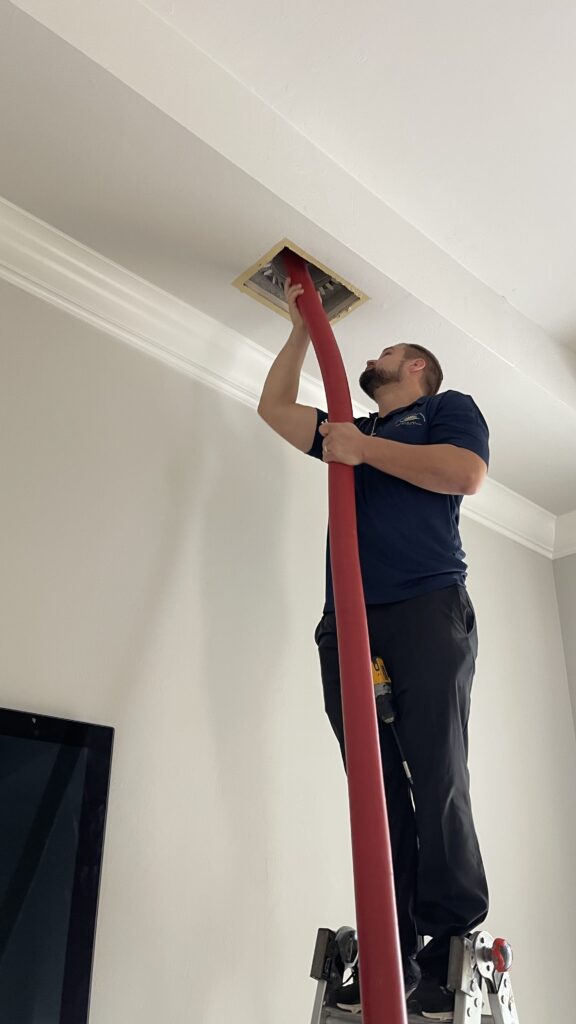
Schedule Duct Sealing and Cleaning to Fix a Drafty Home
Duct sealing is the fix most homeowners never think of, yet it addresses the largest hidden source of drafts in many houses. Professional duct sealing starts with a full inspection of every accessible run in the attic, crawl space, and basement. Technicians look for separated joints, torn flex duct, crushed sections, and disconnected branches. Leaks at joints get sealed with mastic, a durable paste that outlasts tape by decades. Larger gaps get repaired or the damaged section gets replaced. Sealed ducts deliver more heated air to your rooms, which raises comfort immediately. They also stop the pressure imbalances that pull cold outside air into your living space. Many homeowners notice the difference the very first night after duct sealing.
Duct cleaning pairs naturally with sealing because leaky return ducts pull years of dust, insulation fibers, and debris into the system. That contamination coats the inside of your ducts and gets redistributed through your home every time the blower runs. Dirty ducts also restrict airflow, which makes rooms at the end of long runs feel even colder and draftier. Cleaning removes the buildup so your system can move air at full capacity again. It also improves indoor air quality during the months when your windows stay closed. Families with allergies or asthma often notice a real difference after cleaning. Fall is a smart time to schedule it, before the heating season locks you indoors with whatever is in your ducts. Ready to improve airflow and comfort? Click here for our air duct cleaning service.
Insulating your ducts matters just as much as sealing them in unconditioned spaces. A duct running through a 30 degree attic loses heat through its walls even if it has zero leaks. Proper duct insulation keeps the air inside warm from the furnace all the way to the register. Technicians can wrap exposed metal ducts with insulation blankets rated for HVAC use. Flex duct should have intact insulation and an undamaged outer jacket. Crushed or kinked flex duct sections should be straightened or replaced to restore airflow. Registers and boots where ducts meet the floor or ceiling should be sealed to the surrounding surface, since these connections leak into wall and floor cavities. A sealed, insulated, clean duct system is the backbone of a draft free home.
Tune Up Your Heating System to Fix a Drafty Home
A struggling heating system makes every draft feel worse. When a furnace or heat pump cannot keep up, indoor temperatures sag, cold surfaces multiply, and the drafty feeling spreads through the whole house. Annual maintenance restores your system’s full heating capacity before winter demands it. During a tune up, a technician cleans the burners or coils, checks the heat exchanger, tests safety controls, verifies refrigerant charge on heat pumps, and measures airflow across the system. A clean, properly adjusted system delivers hotter supply air and stronger airflow to every room. That extra capacity is often the difference between a room that feels drafty and a room that feels warm. Maintenance also catches small problems before they become no heat emergencies in January. Skipping the tune up means entering winter with unknown weaknesses in your most important comfort equipment.
Airflow problems inside the equipment itself mimic the symptoms of a drafty home. A clogged filter chokes the blower and starves distant rooms of heated air. A dirty blower wheel moves less air at the same speed, weakening delivery everywhere. Blower motors with worn bearings or failing capacitors run below their rated output. Evaporator coils coated in dust block airflow on heat pump systems. Each of these issues reduces the volume of warm air reaching your registers, so rooms cool off faster and feel draftier. Replacing the filter monthly during heating season is the single easiest thing you can do yourself. Everything else on that list belongs to a trained technician with the right instruments. Need your furnace ready before the cold sets in? Click here for our furnace maintenance service.
Heat pumps deserve special attention in East Tennessee because so many homes here rely on them. A heat pump low on refrigerant produces cooler supply air, which feels like a draft blowing from your own vents. Outdoor coils clogged with leaves and debris cripple heating performance just as temperatures drop. Defrost controls that malfunction leave the outdoor unit iced over and unable to extract heat. Auxiliary heat strips that fail leave you underpowered on the coldest nights. Fall maintenance checks every one of these items while the weather is still mild. Homeowners with heat pumps should schedule service in September or October for the best availability. A properly maintained heat pump keeps supply air warm and steady, which eliminates the chilly vent draft that frustrates so many homeowners.
Why You Need a Professional Drafty Home Evaluation
You can seal the leaks you find, but the leaks you cannot find are usually the ones costing you the most. Professionals bring diagnostic tools and trade experience that no homeowner walkthrough can match. Thermal imaging reveals missing insulation and hidden air leaks behind finished walls. Airflow measurements identify duct problems that are invisible from inside the home. A trained technician can tell the difference between a draft caused by a window, a duct, an insulation gap, or a failing heating system in a single visit. That accurate diagnosis saves you from spending money on the wrong fix. Getting a professional evaluation this fall means every dollar you invest in comfort actually delivers results.
The Hidden Costs of Ignoring a Drafty Home
Drafts cost more than comfort. Every cubic foot of heated air that escapes your home is money you paid to heat air for the outdoors. Homes with significant air leakage and duct loss can waste hundreds of dollars each heating season. Your furnace or heat pump runs longer cycles to compensate, which accelerates wear on motors, igniters, compressors, and heat exchangers. Equipment that should last 15 to 20 years fails early when it fights leaks every day of its life. Ignoring drafts now means paying for wasted energy today and premature replacement tomorrow.
Moisture problems follow air leaks wherever they exist. Warm indoor air that escapes into cold attics and wall cavities condenses on cold surfaces. That condensation feeds mold growth, rots wood framing, and ruins insulation. Crawl space air infiltration brings humidity, odors, and contaminants up into your living space. Cold floors and cold interior walls also encourage condensation inside the home during humid spells. What starts as a comfort complaint can become a structural and air quality problem. Sealing the leaks stops the moisture pathway along with the draft.
Comfort complaints compound over the season as well. Family members fight over the thermostat because different rooms hold different temperatures. Cranking the thermostat higher to warm a drafty room overheats the rest of the house and inflates the bill further. Cold bedrooms disrupt sleep during the longest nights of the year. Pipes in poorly sealed exterior walls and crawl spaces face freeze risk during hard cold snaps. A frozen pipe burst can cause thousands of dollars in water damage in a single night. Addressing drafts in the fall protects your budget, your equipment, and your home itself.

A Professional Drafty Home Inspection Finds What You Miss
A professional inspection follows the entire path of your heated air from the equipment to every register. Technicians measure temperature drop across the system to confirm your furnace or heat pump is producing rated heat. They check static pressure to find airflow restrictions hiding inside ducts and coils. They inspect every accessible duct run for leaks, damage, and missing insulation. They evaluate insulation levels in the attic and crawl space against current recommendations. This whole system view is what separates a real diagnosis from guesswork.
Diagnostic tools reveal problems the human eye cannot see. Thermal cameras show cold streaks in walls and ceilings where insulation is missing or air is leaking. Anemometers measure actual airflow at each register so weak rooms are identified with numbers, not opinions. Combustion analysis confirms a gas furnace is burning safely and efficiently. Refrigerant gauges verify a heat pump is charged correctly for maximum heat output. Each measurement narrows the diagnosis until the true cause of your drafty home is confirmed.
The result of a professional inspection is a prioritized plan instead of a guessing game. You learn which fixes will produce the biggest comfort improvement for the least money. You get written findings you can act on this season or budget for next year. Repairs come backed by warranty protection rather than trial and error. If the inspection uncovers a failing system, you have time to plan a replacement before an emergency forces a rushed decision. If your heat ever quits on a freezing night in the meantime, help is available around the clock. Click here for our 24/7 emergency HVAC service.
Why Choose Affordable AC & Service for Your Drafty Home
Affordable AC & Service has served Tennessee homeowners for more than 35 years. Our team is the number one HVAC contractor in Meigs County for 2025, and we earned that standing one house at a time. We diagnose drafty homes every fall across Ten Mile, Kingston, Sweetwater, Loudon, Lenoir City, and the surrounding communities. Our technicians know the housing stock in this region, from lakefront homes in Tellico Village to older farmhouses in Decatur. That local experience means faster, more accurate diagnosis of your comfort problems. We treat every home like it sits in our own neighborhood, because it does.
Our warranties back up our work in writing. Every repair we perform carries a 5 year labor warranty. Every new installation carries a 15 year labor warranty, protection that few contractors anywhere will match. We offer free estimates on all services, so finding out what your drafty home needs costs you nothing. Financing options are available for larger projects like duct replacement or system upgrades. You will never be pressured into work you do not need.
Cold weather does not wait for business hours, and neither do we. Our 24/7 emergency HVAC repair service means a no heat night never turns into a no heat week. One call handles everything from duct sealing and cleaning to furnace tune ups and full system replacement. Call Affordable AC & Service at (423) 800-2029 or email info@affordableacservice.com to schedule your drafty home evaluation. Visit us at 158 Hickory Ln, Ten Mile, TN 37880. Get your home sealed, tuned, and ready before the first hard freeze arrives.