
How Long Should a Central AC Unit Last
Central air conditioners represent one of the largest investments a homeowner makes for indoor comfort. Knowing the expected lifespan of your cooling system helps you plan for replacement costs and avoid sudden breakdowns during hot Tennessee summers. Most central AC units last between 15 and 20 years when properly maintained, though several factors can shorten or extend that timeline. Climate conditions, maintenance habits, installation quality, and usage patterns all play significant roles in determining how long your unit will serve your home. Homeowners in Ten Mile and surrounding areas often get closer to the upper end of that range with consistent care. Understanding what influences AC lifespan gives you the power to protect your investment and maximize its useful years.
How Long Should a Central AC Unit Last on Average
The average central AC unit lasts 15 to 20 years, but real-world results vary based on many conditions. Units installed before 2010 typically had longer mechanical lifespans, while newer high-efficiency systems often include more sensitive electronic components. Regular professional maintenance can push a system past the 20-year mark, while neglect can cut that lifespan in half. Humid climates, coastal air, and heavy summer usage all place additional strain on cooling equipment. The type of unit, whether it is a split system, packaged unit, or heat pump, also affects how many years of reliable service you can expect. Knowing these benchmarks helps you decide when to repair and when to replace.
Average Lifespan of a Central AC Unit by System Type
Standard split-system central AC units typically last 15 to 20 years when homeowners follow recommended maintenance schedules. These systems include an outdoor condenser and an indoor evaporator coil, which work together to cool your home efficiently. The compressor, which is the most expensive component, usually fails first and often signals the end of the unit’s useful life. Copper coils and quality refrigerant lines can last decades, but smaller parts like capacitors and contactors wear out sooner. Homes in East Tennessee see heavy cooling demands from May through September, which contributes to component wear. Choosing a properly sized system for your square footage is one of the biggest factors in reaching a full lifespan.
Packaged central AC units, which house all components in a single outdoor cabinet, tend to last 12 to 15 years on average. These systems are exposed to more weather extremes since every part sits outside the home. Rain, humidity, ice, and debris all accelerate corrosion and component failure in packaged units. Regular cleaning and protective measures can extend their service life, but they generally fall short of split-system longevity. Packaged units are common in mobile homes and smaller properties where interior space is limited. Replacing a packaged unit often costs less than replacing both indoor and outdoor components of a split system.
Heat pump systems that handle both heating and cooling typically last 10 to 15 years because they run year-round. Unlike a standard AC that rests during winter months, a heat pump operates through all four seasons. That constant runtime doubles the wear on compressors, reversing valves, and fans. Homeowners who use heat pumps should expect slightly shorter lifespans and higher maintenance needs. If you need heat pump maintenance, our team can help you get the most years out of your system. Proper seasonal tune-ups make a major difference in heat pump longevity.
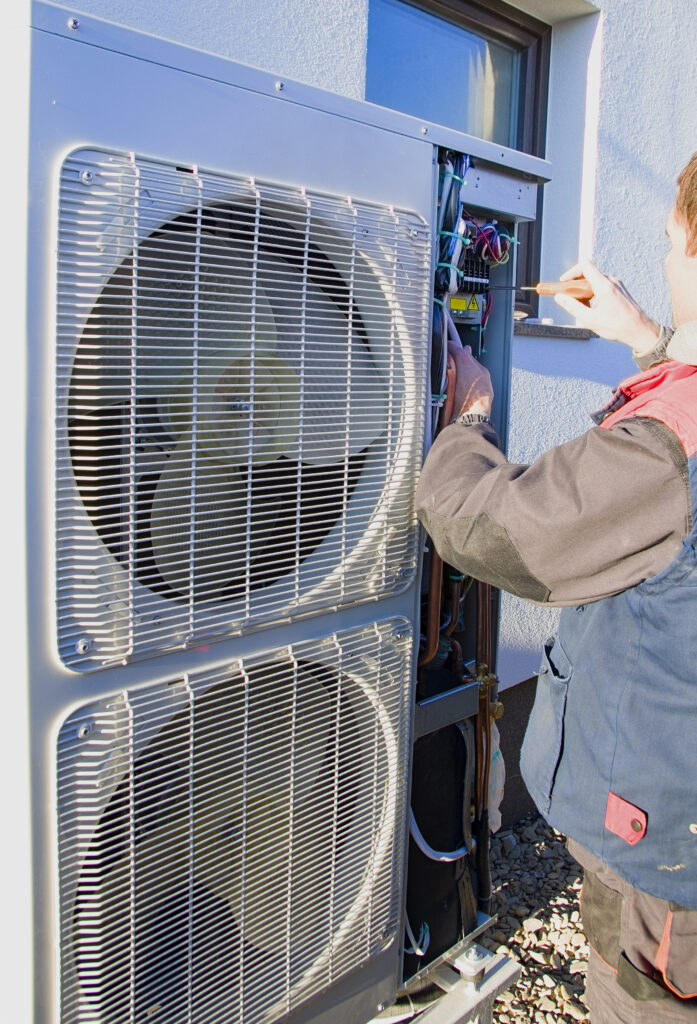
Factors That Affect How Long a Central AC Unit Lasts
Installation quality is one of the most overlooked factors in AC lifespan, yet it has the biggest long-term impact. Improperly sized units cycle on and off too frequently, causing premature wear on the compressor and electrical components. Poor refrigerant charging at installation can cause ongoing pressure problems that damage the system over time. Ductwork that leaks or has incorrect static pressure forces the unit to work harder than necessary. A professional load calculation before installation ensures the unit matches the home’s cooling needs. Cutting corners during installation always leads to shorter equipment life.
Climate and usage patterns strongly influence how long your AC will last in Tennessee. Long, humid summers mean systems run more hours per year than they would in cooler climates. Coastal salt air is not a concern here, but high humidity still promotes corrosion on outdoor coils and electrical connections. Homeowners who set thermostats to extremely low temperatures force their systems into longer runtimes, which accelerates wear. Shading the outdoor condenser and keeping it clear of debris can reduce operating stress. Smart thermostat use and reasonable temperature settings help extend equipment life significantly.
Maintenance habits determine whether your AC reaches 10 years or 20 years of service. Dirty coils, clogged filters, and low refrigerant levels all force the compressor to work harder than designed. Electrical components like capacitors and contactors should be inspected annually for signs of wear. Refrigerant lines need to be checked for small leaks that can cause major damage over time. Annual professional tune-ups catch small problems before they turn into expensive repairs. Homeowners who skip maintenance almost always replace their units sooner than those who invest in regular service.
Signs Your Central AC Unit Is Reaching the End of Its Lifespan
Rising energy bills often signal that your AC unit is losing efficiency as it ages. Older systems lose cooling capacity gradually, forcing them to run longer to achieve the same indoor temperatures. Refrigerant formulations have also changed, and systems using R-22 refrigerant are now obsolete and expensive to service. If your monthly cooling costs keep climbing without changes in usage, aging equipment is likely the cause. Comparing current bills to those from three or four years ago gives you a clear picture. Efficiency loss of 20 percent or more usually means replacement will save money long-term.
Frequent repairs are another strong indicator that your central AC is nearing the end of its service life. A general rule is that if repair costs exceed 50 percent of replacement cost, replacement is the better financial choice. Compressors, evaporator coils, and condenser fan motors are all expensive components that tend to fail as units age. Multiple service calls in a single cooling season point to systemic wear rather than isolated issues. Parts for older systems can also become harder to source, increasing repair delays and costs. Tracking your repair history helps you make an informed decision about replacement timing.
Inconsistent cooling, strange noises, and humidity problems all suggest your AC is struggling to perform. Warm spots in the home, weak airflow from vents, and high indoor humidity levels point to declining capacity. Grinding, squealing, or rattling sounds from the outdoor unit often indicate failing bearings or loose components. Short cycling, where the unit turns on and off rapidly, stresses every part of the system. If your AC cannot maintain setpoint temperatures on hot afternoons, it has likely lost significant capacity. These symptoms rarely improve on their own and usually worsen quickly.
How to Make Your Central AC Unit Last Longer
Extending the life of your central AC unit comes down to consistent care, smart usage, and prompt repairs. A well-maintained system can easily outperform manufacturer lifespan estimates by several years. Homeowners who treat their AC as a long-term investment rather than a set-and-forget appliance get the best results. Simple habits like changing filters and keeping the outdoor unit clear make a measurable difference. Professional tune-ups catch hidden problems that homeowners cannot spot on their own. Combined, these efforts can add five or more years to a central AC unit’s useful life.

Regular Maintenance Helps Your Central AC Unit Last Longer
Annual professional maintenance is the single most effective way to extend AC lifespan. During a tune-up, technicians clean coils, check refrigerant levels, test electrical components, and inspect moving parts for wear. Small issues like a weak capacitor or dirty blower wheel can be corrected before they cause a breakdown. Coil cleaning improves heat transfer, which reduces runtime and energy use. Electrical connections get tightened, preventing arcing that can damage circuit boards. A thorough tune-up also includes testing airflow, temperature drop, and system pressures to confirm proper operation.
Monthly filter changes are a simple task that has an outsized impact on system health. A clogged filter restricts airflow, which causes the evaporator coil to freeze and the compressor to overheat. Most standard filters should be replaced every one to three months depending on household conditions. Homes with pets, smokers, or high dust levels need more frequent changes. Using the correct MERV rating for your system prevents airflow problems caused by overly restrictive filters. Setting a reminder on your phone or calendar ensures you never forget this critical task.
Keeping the outdoor condenser clean and clear protects one of your AC’s most important components. Grass clippings, leaves, cottonwood fluff, and dirt all reduce airflow across the condenser coil. At least two feet of clearance should be maintained around all sides of the unit. Rinsing the coil gently with a garden hose once or twice per season removes debris buildup. Avoid using pressure washers, which can bend the delicate aluminum fins. If you need professional air conditioning maintenance, our team handles every step of a thorough seasonal tune-up.
Smart Usage Habits That Help Your Central AC Unit Last Longer
Thermostat settings have a direct impact on how hard your AC works and how long it lasts. Setting the thermostat to 72 degrees when it is 95 degrees outside forces the system into long, punishing runtimes. Raising the setpoint by a few degrees reduces runtime significantly without sacrificing comfort. Programmable and smart thermostats let you adjust temperatures automatically throughout the day. Setting a higher temperature when no one is home saves energy and reduces wear. Small adjustments like these add up to years of additional service life.
Ceiling fans and ventilation strategies reduce the load on your central AC system. Running ceiling fans counterclockwise in summer creates a wind-chill effect that makes rooms feel cooler. This allows you to raise the thermostat setpoint by two to four degrees without comfort loss. Keeping blinds or curtains closed during peak sun hours reduces solar heat gain through windows. Exhaust fans in kitchens and bathrooms remove humidity and heat that would otherwise burden the AC. These simple strategies cut total runtime, which directly extends equipment lifespan.
Sealing and insulating your home properly reduces the cooling load on your AC. Air leaks around doors, windows, and attic hatches let conditioned air escape and hot outside air enter. Adding attic insulation is one of the most cost-effective upgrades for reducing AC runtime. Sealing ductwork prevents cooled air from leaking into attics or crawl spaces before reaching living areas. Every hour your AC does not have to run is an hour of component life preserved. Home improvements that reduce cooling demand pay back twice, once in energy savings and once in extended equipment life.
Prompt Repairs Help Your Central AC Unit Last Longer
Addressing small problems quickly prevents them from damaging other parts of the system. A weak capacitor, for example, forces the compressor motor to work harder every time it starts. Left alone, that extra stress can cause compressor failure, which often ends the system’s useful life. Low refrigerant from a small leak causes the compressor to overheat and coils to freeze. Unusual noises, weak airflow, and temperature inconsistencies all warrant a service call. Catching problems early turns a minor repair into preventive care rather than an emergency.
Ignoring warning signs is one of the most common ways homeowners shorten AC lifespan. Strange smells, ice on the refrigerant lines, or water pooling near the indoor unit all indicate problems. Tripped breakers happen for a reason, and resetting them repeatedly without investigation can damage components. Short cycling stresses the compressor and signals issues with refrigerant charge, airflow, or controls. Every hour a system runs with a hidden problem is an hour of accelerated wear. Prompt service calls pay for themselves many times over by preventing major failures.
Professional diagnostic work ensures that repairs address the root cause rather than just the symptoms. A trained technician uses gauges, meters, and experience to identify why a component failed. Replacing a burned-out capacitor without finding the reason it failed often leads to the same problem weeks later. Proper diagnosis might reveal an undersized wire, a failing motor, or a refrigerant imbalance causing repeated failures. If you need air conditioning repair, our technicians diagnose and fix the real problem the first time. Quality repair work protects the rest of the system from collateral damage.
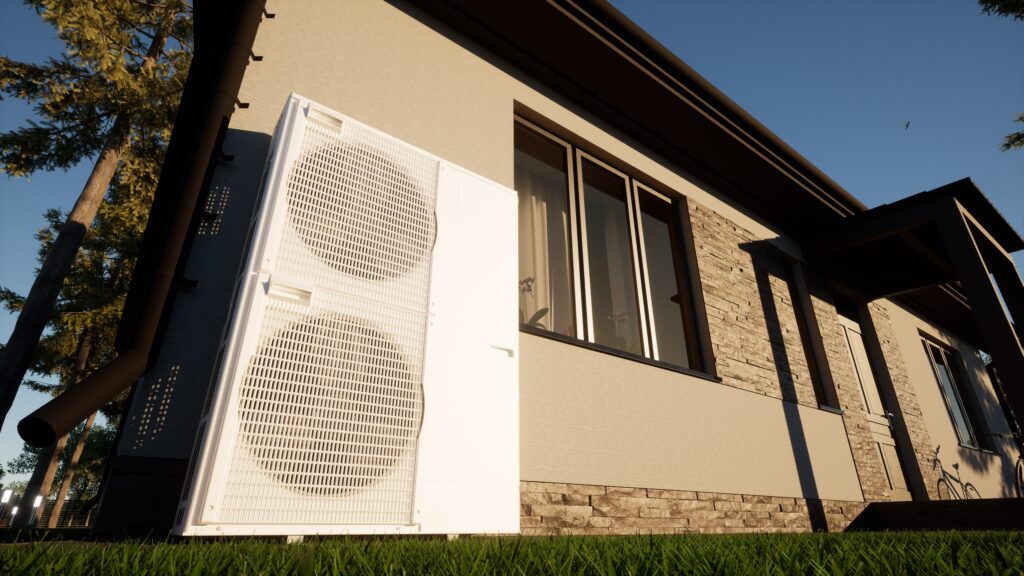
Why You Need Professional AC Service to Maximize Your Unit’s Lifespan
Getting the full 20 years out of your central AC unit requires more than good intentions and occasional filter changes. Professional service brings tools, training, and experience that homeowners cannot replicate on their own. Licensed technicians detect problems early, perform repairs correctly, and keep your system running at peak efficiency. The right service partner becomes a long-term resource who knows your system’s history and needs. Choosing a trusted local company ensures you get honest assessments and quality workmanship. Affordable AC & Service has been keeping East Tennessee homes comfortable for more than 35 years.
Professional AC Maintenance Protects Your Central AC Unit Lifespan
A professional maintenance visit includes dozens of checks that protect your AC investment. Technicians measure refrigerant pressures, test electrical loads, and inspect mechanical components for signs of wear. Coil cleaning restores heat transfer efficiency, which reduces runtime and energy consumption. Drain lines are flushed to prevent clogs that can cause water damage and coil freezing. Every check either confirms proper operation or catches a developing problem early. This level of inspection goes far beyond what any homeowner can perform.
Seasonal tune-ups also give technicians a chance to update their notes on your system. Tracking trends like refrigerant levels, amperage draws, and component conditions reveals slow-developing issues. A small pressure drop over two years might indicate a tiny refrigerant leak worth investigating. Capacitor readings that drop each season predict failure before it happens on the hottest day of summer. This trend-based approach catches problems that single visits might miss. Long-term maintenance records help you make smart decisions about repair versus replacement.
Preventive maintenance also keeps your manufacturer’s warranty valid. Most AC manufacturers require proof of annual professional service to honor warranty claims. A failed compressor under warranty can save you thousands of dollars in repair costs. Skipping maintenance not only shortens system life but also voids the financial protection you paid for. Keeping detailed service records protects your investment in multiple ways. Professional maintenance pays for itself through energy savings, extended lifespan, and warranty coverage.
Professional AC Repair Extends Your Central AC Unit Lifespan
Quality repairs done by trained technicians prevent the cascade failures that end AC lifespans early. A homeowner who replaces a capacitor without checking the motor or contactor may see the new part fail quickly. Professional repair work addresses root causes, which protects surrounding components from damage. Proper refrigerant handling requires certification and specialized equipment that homeowners do not have. Electrical repairs done incorrectly can damage circuit boards and cause safety hazards. Hiring qualified technicians protects both your equipment and your family.
Emergency repairs performed correctly the first time prevent system stress from repeated failures. When an AC fails on a 95-degree afternoon, the pressure to get it running again can lead to shortcuts. Professional technicians diagnose quickly but also thoroughly, which means the repair lasts. For urgent situations, our emergency HVAC service team is available 24/7 to handle breakdowns. Getting the system back online safely and correctly is always worth the investment. Rushed or incorrect repairs often lead to more damage within weeks or months.
Professional repairs also come with warranties that protect your investment. Reputable HVAC companies stand behind their work with labor warranties that reassure homeowners. Affordable AC & Service offers a 5-year labor warranty on repairs, which is among the best in the industry. This warranty means that if a repair issue returns, the fix is covered. Homeowners who try DIY repairs have no such protection and often void manufacturer warranties. Quality repair work backed by strong warranties delivers true long-term value.
Why Choose Affordable AC & Service for Your Central AC Unit
Affordable AC & Service has served Tennessee homeowners for more than 35 years with honest, quality HVAC work. Our experience covers every brand and type of central AC system installed in East Tennessee homes. We understand the local climate, humidity challenges, and common issues specific to this region. Our technicians receive ongoing training to stay current with new technology and refrigerants. Every service call includes a thorough diagnosis, clear explanation of findings, and upfront pricing. Homeowners choose us because we treat their systems with the same care we would our own.
Our warranties set us apart in the HVAC industry across Meigs County and surrounding areas. We offer a 5-year labor warranty on repairs and a 15-year labor warranty on new installations. These warranties reflect our confidence in our workmanship and our commitment to standing behind every job. Free estimates on all services mean you know the cost before any work begins. Financing options make larger repairs and replacements manageable for every budget. We believe quality HVAC service should be accessible to every homeowner.
Call Affordable AC & Service at (423) 800-2029 for all your central AC needs in Tennessee. Our 24/7 emergency service means help is available whenever your system fails. We serve Ten Mile and communities throughout East Tennessee with reliable, professional HVAC work. Every customer receives the same honest advice, quality parts, and skilled workmanship. Whether you need maintenance, repair, or replacement, our team delivers results that protect your investment. Trust the company that Meigs County has relied on for over three decades.