
How to Know If Your Furnace Is Ready for Winter
Winter in East Tennessee arrives fast, and a furnace that sat idle all summer may not be prepared for the workload ahead. Homeowners in Ten Mile, Kingston, and Sweetwater often wait until the first cold snap to test their heating, and that is when problems show up. A furnace readiness check in early fall gives you time to fix issues before repair schedules fill up. Cold weather puts stress on burners, blowers, ignitors, and heat exchangers all at once. If any of those parts weakened during the off season, your first heating cycle will expose it. The good news is that most furnace problems give warning signs long before a full breakdown. Knowing what to look for can save you from an emergency call in January. This guide covers the signs of a winter ready furnace, the maintenance steps that get it there, and why a professional inspection matters.
Signs Your Furnace Is Ready for Winter Heating
A furnace that is ready for winter starts quickly, heats evenly, and runs without strange sounds or smells. You can spot most readiness indicators with a simple test run before the season begins. Turn your thermostat to heat mode, set it five degrees above room temperature, and watch what happens. A healthy furnace ignites within a few seconds, pushes warm air through every vent, and cycles off once the set point is reached. Any hesitation, rattling, or burning odor beyond the first few minutes tells you something needs attention. Airflow strength, flame color, and cycle length are three more clues that reveal furnace condition. Pay attention to your energy bills as well, because rising costs often point to declining efficiency. The sections below break down each sign so you know exactly what a winter ready furnace looks like.
A Furnace Ready for Winter Starts Fast and Runs Quietly
Startup behavior is the first thing to evaluate when checking your furnace before winter. A furnace in good condition ignites within seconds of the thermostat calling for heat. If you hear repeated clicking, that usually means the ignitor is struggling or the flame sensor is dirty. Delayed ignition is more than an annoyance; it can cause small gas buildups that ignite with a loud boom inside the combustion chamber. That boom stresses the heat exchanger over time and can lead to cracks. A furnace that lights cleanly on the first try has a working ignitor, a clean flame sensor, and proper gas flow. Test your system several times over a few days to confirm consistent startups. One clean start is encouraging, but repeated clean starts prove readiness.
Sound is the next indicator, and a winter ready furnace runs with a steady, low hum. Rattling often points to loose panels or debris in the blower compartment. Squealing usually means a worn blower motor bearing or a slipping belt on older models. Grinding is the most serious sound, because it suggests metal contacting metal inside the motor assembly. Banging or popping during startup can indicate delayed ignition or expanding ductwork, and each cause needs a different fix. Whistling near the return often means the filter is clogged and the blower is straining to pull air. None of these sounds should be ignored heading into the coldest months. A quiet furnace in October is far more likely to stay reliable through February.
Smell rounds out the startup evaluation, and your nose catches problems your eyes miss. A brief dusty odor during the first heating cycle of the season is normal, since dust settles on the heat exchanger over summer and burns off. That smell should clear within an hour of runtime. A persistent burning smell after that window suggests an electrical issue or an overheating motor. A rotten egg odor is a gas leak warning; shut the system down, leave the house, and call for help immediately. A musty smell points to moisture or mold in the ductwork, which affects air quality all winter. Metallic or chemical odors can indicate overheating components or a cracked heat exchanger. Take smells seriously, because they are often the earliest sign of a furnace that is not ready for winter.

Strong Airflow Proves Your Furnace Is Ready for Winter
Airflow tells you how well your furnace can actually deliver heat to your rooms. Hold your hand over several supply vents while the system runs and compare the output. A furnace ready for winter pushes warm air with noticeable force through every register in the house. Weak airflow at one vent may mean a duct problem, while weak airflow everywhere points to the blower or a clogged filter. Filters are the most common airflow killer, and a filter loaded with summer dust chokes the entire system. Replace the filter before your first readiness test so you get an accurate read. If airflow stays weak with a fresh filter, the blower motor, blower wheel, or ductwork needs professional attention. Restricted airflow forces the furnace to overheat, which trips the limit switch and causes short cycling.
Temperature consistency across rooms is another airflow measurement worth checking. Walk through your home an hour after the furnace reaches the set point and note any cold rooms. Rooms far from the furnace naturally run slightly cooler, but a difference of more than a few degrees signals trouble. Leaky ducts in crawl spaces and attics dump heated air where nobody lives, and East Tennessee crawl spaces are notorious for this. Crushed or disconnected duct runs create the same problem with even bigger losses. Closed or blocked registers behind furniture also starve rooms of heat. Balancing dampers can shift airflow between zones if your system has them. If cold spots persist after these checks, duct sealing or duct cleaning may be the fix your furnace needs before winter.
Measuring temperature rise gives you the most precise airflow verdict of all. Temperature rise is the difference between the air entering the return and the air leaving the supply plenum. Most furnaces are designed for a rise between 30 and 60 degrees, and the exact range is printed on the furnace rating plate. A rise above the rated range means airflow is too low and the furnace is overheating. A rise below the range means the furnace may not be burning correctly or the blower is moving too much air. You can get a rough reading with a simple probe thermometer at the closest supply register and the return grille. Technicians measure this during every professional tune up because it reveals hidden problems fast. A furnace with proper temperature rise is genuinely ready for winter duty.
Efficient Cycles Show Your Furnace Is Ready for Winter
Cycle behavior reveals furnace health better than almost any other sign. A properly sized, well maintained furnace runs for 10 to 15 minutes per cycle in moderate cold, then rests. Short cycling, where the furnace shuts off after just a few minutes, is a red flag heading into winter. Common causes include a clogged filter, a failing flame sensor, a faulty limit switch, or an oversized furnace. Each short cycle wastes fuel during startup and adds wear to the ignitor and blower. Long cycles that never seem to end suggest the furnace is losing capacity or the home is losing heat too fast. Track your cycle lengths during your fall test runs and note anything unusual. Consistent, complete cycles are one of the clearest signals of winter readiness.
Flame color is a quick visual check that homeowners with gas furnaces can perform. Look through the inspection window at the burner flames while the furnace runs. Healthy flames burn steady and blue, with perhaps a tiny yellow tip. Flames that burn yellow, orange, or flickering indicate incomplete combustion, dirty burners, or improper gas pressure. Incomplete combustion produces carbon monoxide, which makes this check a safety matter and not just an efficiency one. Soot streaks around the burner compartment tell the same story of dirty combustion. Never attempt to adjust burners or gas pressure yourself, since that work requires trained hands and testing instruments. If the flames look wrong, schedule service before you rely on the furnace for daily heating.
Your utility bills complete the readiness picture over time. Pull up last winter’s gas or electric bills and compare usage month by month against the previous year. A furnace losing efficiency shows up as steadily climbing consumption even when weather stays similar. Dirty burners, a weak blower capacitor, duct leakage, and a struggling heat exchanger all bleed efficiency quietly. A 10 to 20 percent usage increase with no change in habits deserves investigation. Rising bills combined with any of the other warning signs make a strong case for a professional tune up. Catching efficiency losses in the fall costs far less than heating all winter with a struggling system. Want to know what your furnace noises and symptoms mean? Click here for our furnace repair service and get answers before the cold arrives.
Furnace Maintenance Steps That Get Your Furnace Ready for Winter
Knowing the signs is half the job; performing fall furnace maintenance is the other half. Some tasks are safe and simple for homeowners, while others require a licensed HVAC technician with the right tools. The homeowner list includes filter replacement, vent clearing, thermostat testing, and a visual inspection of the furnace area. The professional list includes burner cleaning, heat exchanger inspection, electrical testing, and combustion analysis. Skipping either list leaves gaps in your winter preparation. Manufacturers also require documented annual maintenance to keep parts warranties valid, so a fall tune up protects your investment on paper too. The steps below walk through both homeowner tasks and professional tasks in detail. Complete them in September or October and your furnace will be ready before the first freeze hits Meigs County.
Homeowner Furnace Maintenance to Get Ready for Winter
Start with the air filter, because it is the cheapest and most impactful maintenance item on the list. A one inch filter should be replaced every one to three months during heating season. Thicker four or five inch media filters last six months to a year but still need a fall check. Hold the filter up to a light; if you cannot see light through it, replace it. Buy several filters at once so replacements are always on hand during winter. Write the installation date on the filter frame with a marker to track its age. Match the filter size printed on the old filter exactly, since a loose fit lets dust bypass into the blower. A clean filter protects the blower motor, keeps airflow strong, and improves the air your family breathes all winter.
Next, clear the space around the furnace and check every vent in the house. The furnace needs at least three feet of clearance on all sides for safe operation and combustion air. Move stored boxes, paint cans, and anything flammable well away from the unit. Walk the house and open every supply register, then pull furniture, rugs, and curtains away from vents and returns. Closed vents raise pressure in the ductwork and force the furnace to work harder. Outside, find the intake and exhaust pipes on high efficiency models and clear away leaves, nests, and debris. Blocked exhaust pipes cause safety shutdowns on the coldest days, which is exactly when you need heat most. Check the condensate drain line on condensing furnaces and confirm it flows freely.
Finish the homeowner list with thermostat and safety device checks. Replace thermostat batteries in the fall even if they still work, because a dead thermostat on a cold night means no heat. Test the heat mode and confirm the furnace responds within a minute or two of the call. Program a sensible schedule if you have a programmable or smart thermostat, since setbacks of 7 to 10 degrees while sleeping can cut heating costs up to 10 percent. Test every carbon monoxide detector in the home and replace units older than seven years. Test smoke detectors at the same time. Put fresh batteries in all of them as a standard fall ritual. These small tasks take under an hour and cover the most common winter heating failures.

Professional Furnace Tune Ups Make Your Furnace Ready for Winter
A professional tune up goes far deeper than any homeowner checklist can reach. The technician removes and cleans the burners, since dust and corrosion on burner surfaces cause the yellow flames and rough starts described earlier. The flame sensor gets pulled and polished, which prevents the most common cause of winter short cycling. The ignitor is tested for resistance, because hot surface ignitors weaken gradually and fail without warning. The blower assembly is inspected, cleaned, and checked for proper amperage draw. Capacitors are tested against their rated values, and weak capacitors are replaced before they kill a motor. Gas pressure is measured and adjusted to manufacturer specifications. Every one of these steps requires tools and training that homeowners simply do not have.
The heat exchanger inspection is the most important safety step in any fall tune up. The heat exchanger separates combustion gases from the air blowing into your home. Cracks or holes in that metal barrier can allow carbon monoxide to enter your living space. Carbon monoxide is odorless and colorless, and exposure causes headaches, dizziness, nausea, and death at high concentrations. Technicians inspect exchangers with cameras, mirrors, and combustion analyzers that measure gas levels in the airstream. Furnaces older than 15 years face higher crack risk and deserve extra scrutiny. A cracked heat exchanger usually means furnace replacement, since the repair cost approaches the price of a new unit. This single inspection is reason enough to schedule professional maintenance every fall. Need a full furnace tune up before the cold sets in? Click here for our furnace maintenance service and get on the fall schedule.
Electrical and control testing rounds out the professional visit. The technician tightens electrical connections, because loose wiring causes intermittent failures that are maddening to diagnose in January. The limit switch, pressure switch, and rollout switches are all tested for proper operation. The control board is checked for error codes stored from previous faults, which often reveal problems the homeowner never noticed. Combustion analysis confirms the furnace burns fuel completely and vents safely. The technician also verifies temperature rise against the rating plate, confirming healthy airflow through the whole system. You receive a written report showing what passed, what was adjusted, and what needs attention. That documentation satisfies warranty requirements and gives you a clear picture of furnace health before winter.
Duct and Airflow Work That Gets Your Furnace Ready for Winter
Ductwork deserves its own place in fall preparation, because the best furnace cannot overcome leaky or dirty ducts. Studies from the Department of Energy show typical duct systems lose 20 to 30 percent of conditioned air through leaks and poor connections. In East Tennessee homes, ducts often run through vented crawl spaces where winter air is cold and damp. Every leak in those runs pours heated air into the crawl space instead of your rooms. Sealing duct joints with mastic or metal tape recovers that lost heat immediately. Insulating duct runs in unconditioned spaces reduces heat loss even further. The result is warmer rooms, shorter furnace cycles, and lower gas bills. Duct sealing pays for itself faster than almost any other HVAC improvement.
Duct cleaning addresses the air quality side of winter readiness. Windows stay closed for months during heating season, so your family breathes recirculated air all winter. Dust, pet dander, pollen, and construction debris accumulate inside duct runs over the years. Every heating cycle stirs that material and pushes some of it into your living space. Homes with visible dust puffing from registers, musty odors, or recent renovations benefit most from cleaning. Cleaner ducts also mean cleaner blower components and a filter that lasts longer between changes. Families with allergies or asthma often notice the difference within days. Fall is the ideal time to clean ducts, right before the system runs daily for months.
Register balancing and insulation checks complete the airflow work. A technician can adjust dampers to push more air toward rooms that ran cold last winter. Attic insulation should be inspected at the same time, since heat rising through a thin attic makes the furnace run longer every cycle. Current guidance for Tennessee homes calls for attic insulation between R38 and R60. Weatherstripping on doors and windows keeps the heat your furnace produces from leaking out. Each of these improvements reduces furnace runtime, which extends equipment life. A furnace that runs fewer hours each winter simply lasts more years. Preparing the whole envelope, not just the furnace, is how experienced homeowners get ready for winter.
Why You Need a Professional Furnace Inspection Before Winter
A professional inspection before winter is the difference between confidence and gambling. Homeowner checks catch surface problems, but hidden failures in heat exchangers, gas valves, and control boards only show up under trained eyes and test instruments. Furnace breakdowns cluster during the first cold week of the season, and repair schedules fill up fast when that week arrives. An October inspection means any needed repair happens on your schedule at normal rates. It also means your family heats the house safely, with carbon monoxide risks verified and eliminated. The cost of a tune up is small compared to one emergency visit on a freezing weekend.
Fall Furnace Inspections Prevent Winter Emergencies
Almost every winter furnace emergency starts as a small, detectable problem months earlier. A weakening ignitor shows abnormal resistance readings long before it fails to light. A dirty flame sensor causes occasional short cycles before it causes total lockouts. A capacitor drifting out of specification strains the blower motor for weeks before the motor burns out. Fall inspections catch these conditions while the fix is a cheap part swap. Waiting turns the same issues into no heat calls during the coldest nights of the year.
Emergency repairs also cost more than planned repairs in every way that matters. After hours service carries premium pricing across the industry, and parts availability shrinks when every contractor in the region is slammed. Your family may wait hours or even a day for service during a regional cold snap. Space heaters and fireplaces used as stopgaps introduce their own fire and carbon monoxide risks. Frozen pipes become a real threat when a home loses heat during a hard freeze. A single prevented emergency justifies years of fall inspections.
There is also the simple value of certainty heading into the season. A completed inspection report tells you the furnace passed safety testing, the exchanger is intact, and combustion is clean. You know the filter schedule, the thermostat program, and the condition of every major component. That certainty matters most for households with infants, elderly family members, or anyone sensitive to cold. If your furnace does fail unexpectedly, help is still available around the clock. Furnace out in the middle of the night? Click here for our 24/7 emergency HVAC service and get heat restored fast.
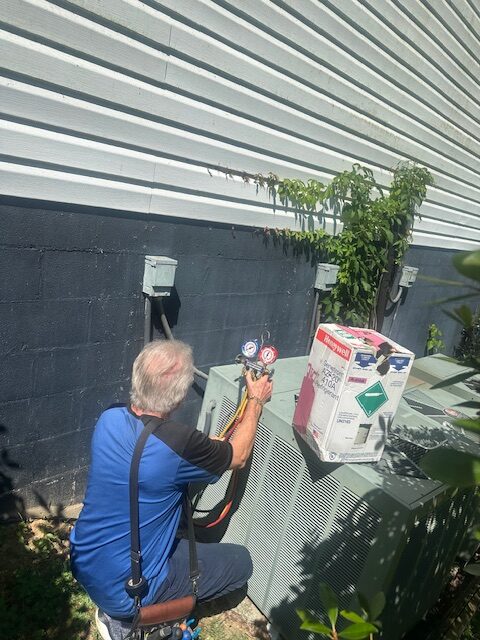
Furnace Inspections Reveal When Replacement Beats Repair
An honest fall inspection sometimes reveals that repair money is better spent on replacement. Furnaces last 15 to 20 years on average, and units past that age fail more often each season. A common industry guideline multiplies the repair cost by the furnace age; if that number exceeds the price of a new unit, replacement wins. A cracked heat exchanger almost always tips the decision toward replacement. Repeated repairs on an aging system add up to a down payment on new equipment. Fall is the right time to face that math, before winter forces a rushed decision.
New furnaces also deliver efficiency gains that old units cannot match. Furnaces from the 1990s and early 2000s often run at 80 percent efficiency or below, and worn units perform even worse. Modern condensing furnaces reach 95 to 98 percent AFUE, converting nearly all fuel into usable heat. That difference shows up on every winter gas bill for the next two decades. Variable speed blowers add quieter operation and more even temperatures throughout the house. Two stage and modulating burners eliminate the blast furnace feeling of old single stage systems.
Replacing in fall beats replacing mid winter for practical reasons too. Installation crews have more schedule flexibility before the season rush begins. You can compare equipment options calmly instead of taking what is in stock during a January emergency. Your home never goes without heat, because the swap happens before cold weather arrives. Financing approvals and free estimates take a little time, and fall gives you that time. Thinking your old furnace has reached the end? Click here for our furnace installation service and request a free estimate.
Why Choose Affordable AC & Service for Furnace Readiness
Affordable AC & Service has served East Tennessee homeowners for more than 35 years. Our team is ranked as the number one HVAC contractor in Meigs County for 2025. We know how Tennessee Valley winters stress heating equipment, from damp crawl spaces to sudden hard freezes. Local experience means faster diagnosis and repairs done right the first time. Our technicians treat every furnace inspection as a safety inspection first. Your family’s warmth and safety drive every recommendation we make.
Our warranties back up that commitment with terms few competitors match. Every repair we perform carries a 5 year labor warranty. Every new installation carries a 15 year labor warranty. Those numbers reflect real confidence in our workmanship, not marketing language. We also provide free estimates on all services, so you know the cost before any work begins. Financing options make furnace replacement manageable for any budget.
We serve homeowners across the region, including Ten Mile, Kingston, Sweetwater, Spring City, Decatur, Dayton, Loudon, Lenoir City, Rockwood, Crossville, Etowah, Farragut, and Tellico Village. Our 24/7 emergency service means you are never stuck without heat, day or night. Call us at (423) 800-2029 to schedule your fall furnace inspection. You can also email info@affordableacservice.com or visit us at 158 Hickory Ln, Ten Mile, TN 37880. Get your furnace ready for winter now, before the first freeze finds the problems for you. Affordable AC & Service is ready when you are.