
How Often Should You Change Your AC Filter in Summer
Summer in Tennessee puts your air conditioner through the hardest stretch of the year, and the small filter behind your return grille carries a heavier load than most homeowners realize. That filter traps dust, pollen, pet dander, and other particles before they reach the blower motor and evaporator coil. When it clogs, airflow drops, run times grow longer, and your utility bill climbs without any change in your thermostat habits. A clean filter protects your equipment, keeps indoor air healthier, and helps your system reach the temperature you set without straining. Most homes need a filter change every 30 to 60 days during peak cooling season, though the exact timing depends on filter thickness, household conditions, and how hard the system runs. Knowing the right schedule for your home prevents breakdowns, extends equipment life, and keeps cooling costs predictable through the hottest months. The team at Affordable AC & Service has helped homeowners across Meigs County and the surrounding counties build filter routines that match real summer demand.
How Often Should You Change Your AC Filter in Summer for Best Performance
The short answer for most Tennessee homes is every 30 days during June, July, and August, with a stretch to 45 or 60 days for thicker pleated filters in low-traffic homes. Summer humidity, open windows during shoulder weeks, fresh-cut grass, and constant compressor cycles all push more debris through your return ducts than any other season. A one-inch fiberglass filter is the most common type sold at hardware stores, and it reaches its limit quickly under heavy summer load. A four-inch or five-inch media filter, often installed inside a dedicated cabinet near the air handler, holds far more particulate and can stretch the interval. Pet owners, allergy sufferers, and homes near gravel roads or active construction should always lean toward the shorter end of the range. Checking the filter monthly, even if you do not replace it, gives you a clear picture of how your home loads it during summer.
The 30-Day AC Filter Change Schedule for Summer Performance
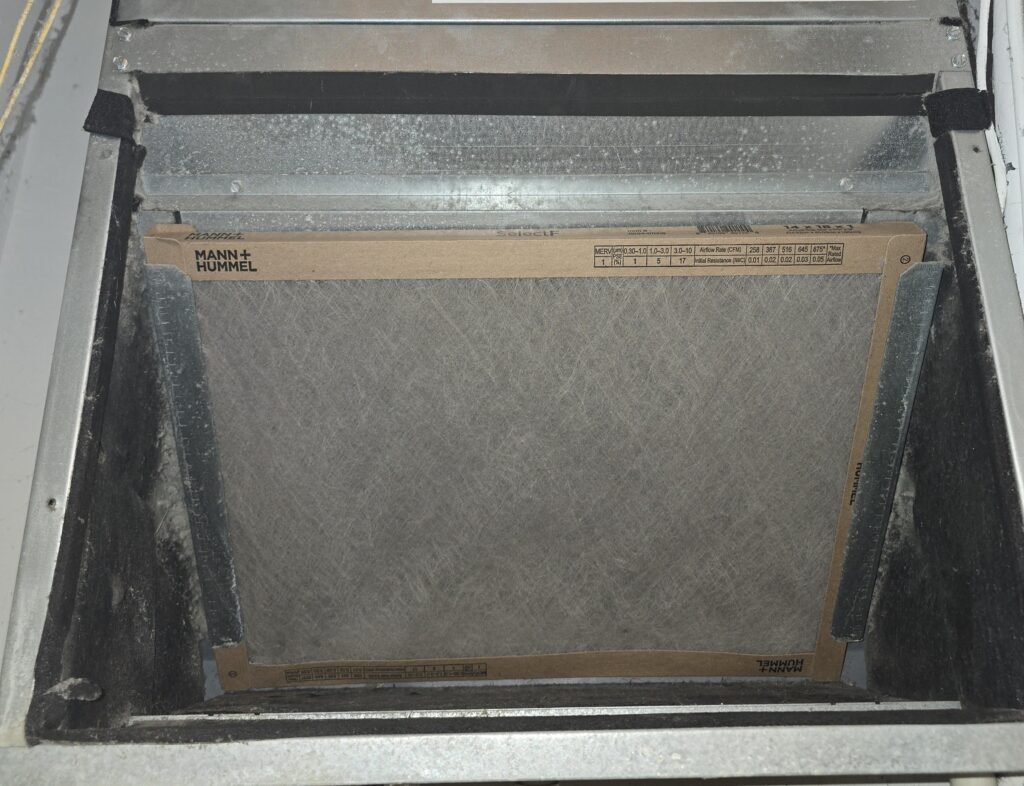
A 30-day replacement cycle works well for the standard one-inch pleated filters that fit most residential return grilles and air handlers in our service area. These filters use a folded media design that traps more particles than flat fiberglass panels, but the surface area is still limited compared to deeper cabinet filters. During summer, your blower runs many more hours per day than it does in spring or fall, which means more air passes through that media in a shorter period. By the end of a hot, humid month, the pleats often show a gray or brown coating that signals reduced airflow. Swapping the filter on the first of each summer month builds a routine that is easy to remember and easy to track. Many homeowners pair the change with paying a monthly bill or another regular task so it never slips. Consistent monthly changes during cooling season are one of the simplest ways to protect compressor life and keep electricity bills under control.
Households with shedding pets, indoor smokers, or several occupants generally need to stay locked into the 30-day cycle without exception, since hair and dander load a filter faster than dust alone. Children, frequent door traffic, and indoor cooking also raise the particle count that circulates back through the return. If you pull the filter at the 30-day mark and the surface looks heavily coated, that is your confirmation that the schedule fits your home. Holding the old filter up to a light is a fast test; light should pass through cleanly, and a filter that blocks most light has reached the end of its useful life. Running a loaded filter even one extra week forces the blower to pull harder, which raises amp draw and can shorten motor life. The cost of a new filter is far lower than the cost of a blower motor or compressor repair caused by long-term airflow restriction.
Tennessee summers also bring pollen surges, mold spore activity, and the occasional dust storm from dry fields, all of which load filters faster than a typical month would suggest. Homes near pasture land, hay fields, or unpaved roads in places like Ten Mile, Decatur, and Spring City often see filters darken in just two to three weeks. Storm cleanup, mowing, and outdoor projects also kick particles into the air that eventually reach your return. A 30-day schedule gives you a built-in buffer for these events without needing to track every outdoor activity. Keeping a stack of replacement filters on a shelf near your air handler removes the last barrier to staying on schedule. When the new filter goes in, write the date on the cardboard edge with a marker so the next change is never a guess. That single habit removes the most common reason homeowners forget to swap a filter during the busiest cooling weeks.

Choosing the Right AC Filter Thickness for Summer Performance
Filter thickness has a direct effect on how long a filter can serve your system during summer, and matching the thickness to the cabinet is the first step. One-inch filters are the most common in older homes and standard return grilles, and they need the shortest replacement interval. Two-inch filters offer a modest increase in surface area and can sometimes stretch to 45 days under light household conditions. Four-inch and five-inch media filters, installed in a dedicated cabinet next to the air handler, hold significantly more debris and can run 60 to 90 days even in summer. The deeper pleats give air more pathways through the media, which lowers the pressure drop across the filter and keeps airflow steady. A higher surface area filter does not mean you can ignore it; it means you have more capacity before the same restriction occurs.
MERV rating matters just as much as thickness when choosing a summer filter, since a higher MERV captures smaller particles but also restricts airflow more if the system is not designed for it. Most residential systems run best with filters rated MERV 8 through MERV 11, which catch pollen, dust mites, and pet dander without overloading the blower. Jumping to a MERV 13 or higher in a system designed for a lower rating can cause iced coils, longer run times, and reduced cooling capacity. The owner’s manual or the data plate on your air handler usually lists the maximum recommended MERV. If you suffer from allergies and want better filtration, the safer path is upgrading to a thicker cabinet filter rather than forcing a high-MERV one-inch filter into a standard grille. A balanced choice keeps both air quality and equipment health in the right place.
Fit and seal also affect how well a filter performs through summer, and a sloppy fit lets unfiltered air bypass the media entirely. The filter should slide into the slot snugly without bending, and the cardboard frame should sit flush against the cabinet edges. Gaps allow dust to coat the evaporator coil, which is the single most common cause of reduced cooling capacity in mid-summer service calls. A coil covered in fine debris loses its ability to transfer heat, and the system runs longer to reach setpoint while drawing more power. If your current filter looks loose in the slot, a thicker filter with a proper cabinet is usually the right upgrade. Need a clean coil and steady summer cooling? Click here for our air conditioning maintenance service.
Signs You Need a Faster AC Filter Change for Summer Performance
Certain warning signs tell you the current filter schedule is too long for your home, and catching them early prevents bigger problems. Weak airflow at the supply vents is the most common signal; the system runs, but the air feels soft instead of strong. Rising indoor humidity is another sign, since a clogged filter limits the airflow needed for proper moisture removal at the coil. Longer run times, with the unit cycling less often but running for extended periods, often trace back to airflow restriction at the return. Dust building up on furniture within a day or two of cleaning points to bypass air or a saturated filter. Any of these symptoms during peak summer means the filter deserves a closer look right away.
Strange smells from the supply vents during cooling often start with a filter that has gone too long without changing. Trapped moisture in a loaded filter can grow mold and mildew, which the blower then pushes into every room of the house. A musty or sour odor that fades when the system shuts off and returns when it starts up almost always points to filter or coil contamination. Pulling the filter and finding it heavy, damp, or discolored confirms the problem. Replacing the filter immediately is the first step, followed by a coil inspection if the odor lingers. Ignoring these smells lets spores spread into the ductwork, which turns a fifteen-dollar fix into a much larger cleaning job.
Higher-than-normal electric bills during summer can also point back to filter neglect, since restricted airflow forces longer compressor runtime to reach the same indoor temperature. A jump of fifteen to twenty percent in a single billing cycle, with no change in thermostat settings or weather, deserves a filter check before any other troubleshooting. Ice forming on the refrigerant lines outside or on the indoor coil is a more serious warning that airflow has dropped too low. Frozen coils mean the system has stopped cooling correctly and can cause compressor damage if the run continues. Shutting the cooling off, letting the coil thaw, and replacing the filter often resolves the issue, but a frozen coil that returns after a filter change needs professional diagnosis. Click here for our air conditioning repair service when symptoms continue after a filter swap.
How Often Should You Change Your AC Filter in Summer Based on Household Factors
Household conditions change the right filter schedule more than any other variable, and two homes with the same system can need very different routines. Pets, allergies, smokers, household size, nearby construction, and outdoor environment all push the schedule shorter. Vacation homes that sit empty for weeks at a time can stretch the schedule, but only if windows stay closed and the system runs minimally. Square footage matters too, since larger homes move more air through the return for the same temperature setting. A clear-eyed look at your specific home tells you the right starting point, and the filter itself confirms the schedule after the first month. Adjusting the routine based on what you see in the used filter is the most accurate method anyone can use.
How Pets and Allergies Affect Your Summer AC Filter Change Schedule
Homes with shedding pets need to lean toward the most aggressive end of the summer filter schedule, with checks every two weeks and changes at three to four weeks. Cat and dog hair, along with dander, loads a filter much faster than household dust on its own. Long-haired breeds and homes with multiple pets can clog a one-inch filter in as little as 21 days during summer. Pet hair also creates a mat across the filter surface that blocks airflow more aggressively than fine dust does. Brushing pets outdoors, vacuuming weekly, and keeping pets off return grilles all reduce the load on the filter. Even with those steps, pet households should plan on shorter intervals and keep extra filters on hand.
Allergy sufferers benefit from both a shorter change interval and a slightly higher MERV rating, as long as the system can handle it. A MERV 11 pleated filter captures most pollen, dander, and mold spores while staying within the airflow limits of most residential systems. Changing that filter every three to four weeks during summer pollen surges keeps allergy symptoms more manageable indoors. Pairing the upgraded filter with regular duct inspections and a clean evaporator coil makes a noticeable difference in how the home feels. Adding a portable HEPA unit in the bedroom for nighttime relief works well alongside a good central filter. The central filter still does the heavy work of protecting the equipment and treating whole-home air.
Households with smokers, frequent candle burning, or wood stoves used into early summer evenings also load filters faster than average. Smoke particles are extremely fine and can pass through lower-MERV filters, leaving residue on the coil and inside the ducts. Upgrading to a higher-MERV media filter and shortening the change interval helps capture more of those particles before they spread. Cooking habits matter too; homes that fry or sear frequently push grease particles into the return air, which combine with dust to form a sticky filter coating. Running the kitchen exhaust fan during cooking reduces how much of that load reaches the AC filter. Small habit changes, paired with a faithful filter schedule, keep summer indoor air noticeably cleaner.
How Outdoor Conditions Affect Your Summer AC Filter Change Schedule
The environment around your home changes how fast your filter loads, and rural Tennessee properties often see faster loading than suburban ones. Gravel driveways, hayfields, pasture, and dirt roads all kick fine dust into the air that eventually reaches your return. Homes within a few hundred feet of these sources should plan on monthly changes at minimum, with checks every two weeks. Wind direction also matters; a return grille on the side of the house facing prevailing winds collects more outdoor debris. Keeping windows closed during high-pollen days and dusty conditions reduces how much outdoor air enters the home and loads the filter.
Active construction, landscaping projects, or road work near your home can load a filter in days instead of weeks. Drywall dust, sawdust, and fine soil from grading all pass through return grilles easily and clog filter media quickly. During projects, checking the filter every week and replacing it as needed protects the coil and blower from heavy debris. Once the project ends, a single fresh filter and a coil inspection often restore normal performance. Keeping doors and windows closed during construction phases helps, along with sealing return grilles in unused rooms if possible. The extra filter cost during a project is small compared to a coil cleaning service later.
Pollen seasons in Tennessee stretch from early spring well into summer, with tree, grass, and weed pollen peaking at different times. Grass pollen is particularly active during early summer mowing, and ragweed picks up in late summer. Each surge loads filters faster than the dust load alone would suggest. Checking the filter after a heavy pollen week, even if the calendar says it should last longer, catches loading before it affects cooling. A yellow or green tint across the filter surface confirms pollen accumulation. Homes near agricultural fields, hay operations, or large open lawns should plan on shorter intervals through the entire summer. Click here for our air duct cleaning service when filter changes alone are not enough to keep dust under control.
How System Run Time Affects Your Summer AC Filter Change Schedule
The number of hours your AC runs each day directly affects how fast the filter loads, since every minute of runtime pulls air through the media. A system that runs ten or twelve hours a day during a heat wave loads its filter much faster than one running four or five hours on milder days. Thermostat settings, home insulation, sun exposure, and number of occupants all influence runtime. Homes with thermostats set to 70 or below run nearly continuously during the hottest days, which pushes the filter to its limit faster. Raising the setpoint a few degrees, closing blinds during peak sun, and using ceiling fans all reduce runtime and extend filter life slightly.
Oversized or undersized equipment also changes filter loading patterns, though for different reasons. An oversized system short-cycles, turning on and off frequently without running long enough to remove humidity. Each startup pulls a burst of air through the filter and can stir up settled dust. An undersized system runs nearly nonstop on hot days, which loads the filter steadily and heavily. Both situations stress the filter and the equipment. Proper sizing during installation prevents both problems, and a load calculation should be part of any replacement quote.
Variable-speed or two-stage equipment changes filter loading too, since these systems run longer at lower speeds for better dehumidification. The longer runtime moves more total air through the filter, even though the instantaneous airflow is lower. Filters in these systems often need the same monthly schedule as single-stage units, sometimes shorter depending on how often the system runs at low stage. The benefit is steadier temperatures, lower humidity, and quieter operation, which is worth the slightly increased filter awareness. Checking the filter monthly, regardless of system type, removes the guesswork. The filter itself always tells the truth about how the system is loading it.
Why You Need Regular AC Filter Changes and Maintenance This Summer
Regular filter changes are the single most cost-effective maintenance step a homeowner can take, and pairing them with annual professional service keeps cooling costs predictable. Skipping filter changes leads to frozen coils, failed capacitors, blown blower motors, and compressor damage, all of which cost far more than a stack of filters. A clean filter also keeps the indoor air healthier for everyone in the home, especially during high-pollen weeks. Summer is the hardest season on an air conditioner, and the equipment needs every advantage to make it through without breakdowns. The team at Affordable AC & Service has built our reputation on helping homeowners across Meigs County and beyond keep their systems running through the hottest weeks of the year. A short conversation with a technician can clarify the right filter type, the right schedule, and any maintenance steps your specific system needs.
Why Regular AC Filter Changes Protect Your Equipment
Compressor damage is the most expensive consequence of long-term filter neglect, and it almost always traces back to airflow restriction. When the filter blocks too much air, the evaporator coil cannot absorb enough heat, refrigerant returns to the compressor cold and partially liquid, and internal damage accumulates over time. The compressor is the most expensive single component in a cooling system, and replacing one often costs more than half the price of a new unit. A clean filter is the first line of defense for that compressor. Monthly filter changes during summer protect the most expensive part of the system for the lowest possible cost.
Blower motors also suffer when filters stay in too long, since the motor pulls harder against the restriction and runs hotter than designed. Higher operating temperature shortens the lifespan of the motor windings and the capacitor that helps start the motor. A blown capacitor is a common mid-summer service call, and many of them trace back to long-term airflow problems caused by neglected filters. Replacing a capacitor is a routine repair, but it is still an avoidable cost. Steady filter changes keep the blower running cool, which keeps the capacitor and motor in their designed range.
Evaporator coil contamination is the third major equipment risk from skipped filter changes. Once dust bypasses or saturates a filter, it sticks to the wet coil surface and builds up over time. A dirty coil cannot transfer heat efficiently, which lowers cooling capacity and raises run times. Cleaning a coil is a labor-intensive service that often requires partial disassembly of the air handler. A clean filter, changed on schedule, keeps the coil clean for years between professional cleanings. The math always favors the filter.

Why Regular AC Filter Changes Improve Energy Efficiency
A clogged filter forces the system to run longer to reach the same indoor temperature, which raises the electric bill every month it goes unchanged. The compressor and blower are the two highest-draw components in the system, and both run longer when airflow is restricted. Studies from utility companies and manufacturers consistently show that a clean filter can reduce cooling energy use by five to fifteen percent compared to a heavily loaded one. Over a full summer, that adds up to real money. The cost of a stack of filters is recovered many times over in lower bills.
Humidity control is another efficiency factor that depends on a clean filter, since proper airflow across the coil is needed to wring moisture out of the air. A restricted filter reduces airflow, which can either freeze the coil or simply leave the air feeling sticky at the setpoint. Sticky air feels warmer than dry air at the same temperature, which leads homeowners to lower the thermostat and increase run time even more. A clean filter keeps humidity removal working properly, which makes the home feel cooler at a higher setpoint. That comfort-per-degree gain is one of the simplest energy wins available.
Thermostat behavior also improves with a clean filter, since the system reaches setpoint faster and cycles more predictably. Programmable and smart thermostats depend on consistent system response to manage schedules and energy use. A restricted filter throws off those cycles, which can cause the thermostat to call for cooling longer than expected or override programmed setbacks. Keeping the filter clean lets the thermostat do its job, which is the whole point of upgrading to a smart model. Small maintenance habits make smart technology actually deliver on its promises.
Why Choose Affordable AC & Service for Summer AC Filter and Maintenance Help
Affordable AC & Service has served Tennessee homeowners for more than 35 years, with deep experience across Meigs County and the surrounding counties. Our team installs, repairs, and maintains every type of residential air conditioning system found in this region, and we know how summer conditions here load filters and stress equipment. We are the number one HVAC contract company in Meigs County for 2025, and we back our work with a 5-year labor warranty on repairs and a 15-year labor warranty on new installations. Free estimates on all services and financing options make professional help accessible to homeowners across our service area.
Our maintenance plans include filter guidance, coil inspections, refrigerant checks, electrical testing, and the small adjustments that keep a system running through August without surprises. Technicians arrive in clearly marked trucks, treat every home with respect, and explain what they find in plain language. Twenty-four-seven emergency HVAC repairs mean you are never stuck waiting through a hot weekend when something fails. We serve Ten Mile, Decatur, Dayton, Spring City, Kingston, Rockwood, Sweetwater, Lenoir City, Loudon, Farragut, Tellico Village, Crossville, and Etowah with the same commitment to quality and honest pricing.
Call us at (423) 800-2029 or email info@affordableacservice.com to schedule a maintenance visit, ask a filter question, or set up a repair. Our office sits at 158 Hickory Ln, Ten Mile, TN 37880, and our technicians are ready to help your system make it through the hottest weeks ahead. A clean filter is the smallest step you can take to protect your cooling investment, and our team is glad to help you build the right routine. Need a full summer tune-up? Click here for our air conditioning maintenance service and let us handle the details.