
Why Your AC Is Leaking Water Inside the House
Finding a puddle of water near your indoor air conditioning unit is a clear sign that something has gone wrong inside the system. An air conditioner produces condensation as part of its normal cooling process, and that moisture is supposed to drain safely outside through a dedicated drain line. When the water ends up on your floor, ceiling, or walls instead, the system has lost its ability to manage that moisture correctly. Ignoring the leak can lead to warped flooring, drywall damage, mold growth, and expensive repairs to the air conditioner itself. Most water leaks trace back to a small list of common causes, and many of them can be prevented with regular maintenance. Understanding why your AC is leaking water inside the house helps you decide what to handle yourself and when to call a licensed HVAC technician. The faster you respond, the less damage the leak will cause to your home and your cooling system.
Common Reasons Your AC Is Leaking Water Inside the House
Air conditioners pull humidity out of the air during operation, and that moisture collects on the evaporator coil before draining away. When any part of this drainage system fails, water spills out of the unit and into your living space. The most common reasons your AC is leaking water inside the house include a clogged condensate drain line, a rusted or cracked drain pan, a frozen evaporator coil, a broken condensate pump, or improper installation. Each of these issues has its own warning signs, and each requires a different repair approach. Knowing the source of the leak helps you communicate clearly with your HVAC technician and speeds up the repair. Below are the three most frequent causes homeowners in Ten Mile and the surrounding areas deal with every cooling season.
A Clogged Condensate Drain Line Causes Your AC To Leak Water Inside the House
The condensate drain line is the most common reason your AC is leaking water inside the house, and clogs build up faster than most homeowners realize. Dust, dirt, algae, mold, and small debris collect inside the PVC drain line over months of operation, slowly narrowing the passage until water can no longer flow through. Once the line is fully blocked, condensation backs up into the drain pan and spills over the edges onto the floor below. You may notice water stains on the ceiling if your air handler sits in the attic, or puddles around the base of the unit if it lives in a closet or basement. Some systems have a safety float switch that shuts the unit off when the pan fills, and a sudden loss of cooling can actually be your first clue that the drain is clogged.
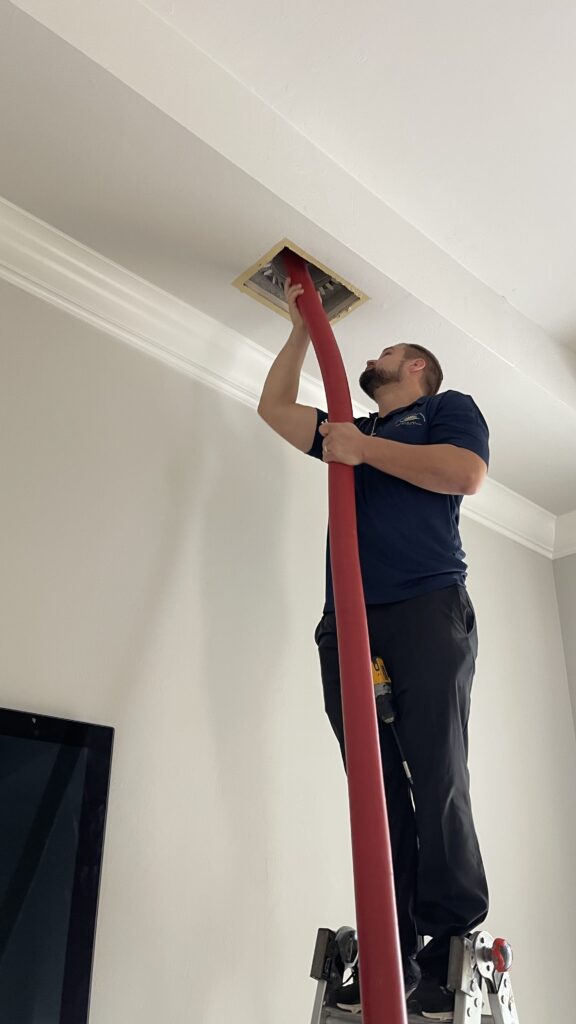
Clearing a clogged condensate drain line is one of the most common service calls during summer in East Tennessee. A technician will use a wet/dry vacuum at the outdoor end of the drain to pull the blockage free, then flush the line with a cleaning solution to kill algae and bacteria. In some cases the line needs to be disconnected and cleared with a specialized brush or compressed air to break apart heavy buildup. After the line is clear, the technician should verify that water flows freely from the drain pan through the entire line and exits outside the home. This service often takes less than an hour when caught early, but a long-term clog can cause water damage that costs thousands to repair.
You can reduce your risk of drain line clogs by scheduling routine maintenance before and during the cooling season. Many homeowners pour a cup of distilled vinegar into the drain line access port every few months to slow algae growth between professional visits. Replacing your air filter on the manufacturer’s recommended schedule also keeps dust and debris out of the system, which reduces the amount of material that ends up in the drain pan. Need air conditioning maintenance to prevent leaks before they start? Click here for our air conditioning maintenance service. Staying ahead of clogs protects your home, your equipment, and your comfort during the hottest months.
A Rusted or Damaged Drain Pan Causes Your AC To Leak Water Inside the House
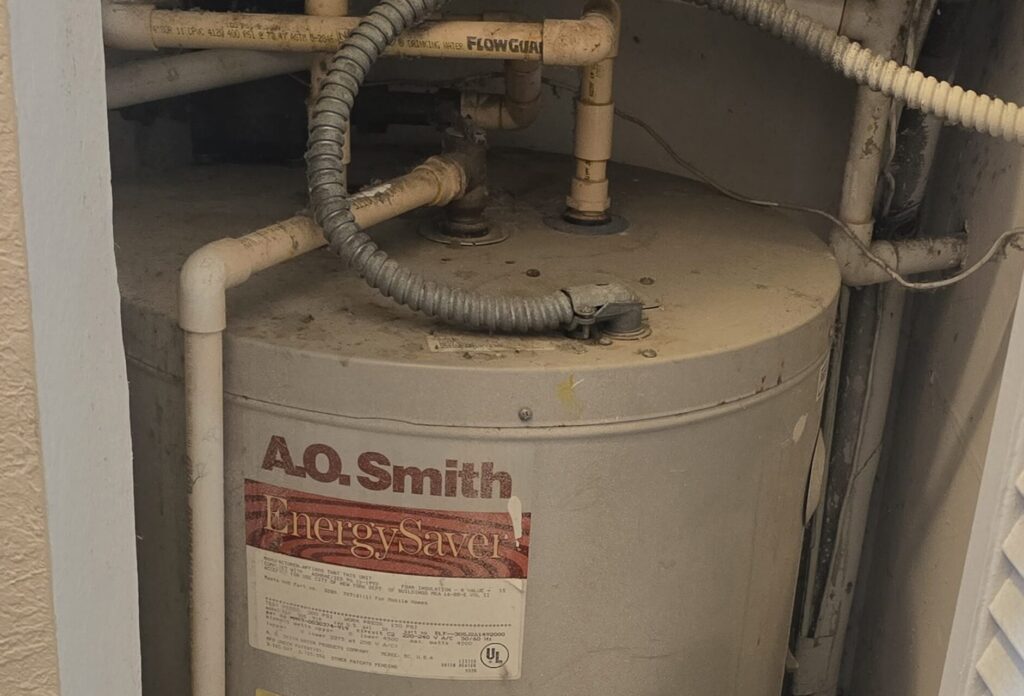
A cracked or rusted drain pan is another frequent reason your AC is leaking water inside the house, especially in older systems. The drain pan sits directly under the evaporator coil and catches every drop of condensation the coil produces during cooling. Over time, constant exposure to moisture corrodes metal pans, while plastic pans can crack from age, temperature shifts, or accidental damage during service work. Even a small pinhole or hairline crack allows water to drip steadily onto the equipment or floor below. Most air handlers have a primary pan built into the unit and a secondary pan installed underneath when the system sits in an attic or above finished living space.
Replacing a damaged drain pan depends on which pan has failed and where the unit is located. The primary pan is part of the air handler itself, so replacing it requires removing the evaporator coil and often disconnecting the refrigerant lines, which is a job for a licensed HVAC technician. Secondary pans are easier to swap out, but they should never be the only thing catching water; if your secondary pan has water in it, the primary pan is already failing. A technician can inspect both pans during a maintenance visit and recommend replacement before the leak causes ceiling or floor damage. Some older systems benefit from upgrading to a new air handler entirely once the pan is severely corroded, since other internal parts are usually nearing the end of their life as well.
Spotting drain pan damage early saves you from much larger problems down the road. Look for rust stains on the outside of the air handler, water spots on the ceiling below an attic unit, or musty smells coming from your vents when the system runs. A float switch installed on the secondary pan adds an extra layer of protection by shutting the system down before water reaches your ceiling or floor. Regular professional inspections catch corrosion in its early stages, when a small repair can extend the life of the system. Keeping the area around your indoor unit clean and dry also helps you spot small leaks quickly before they grow into emergencies.
A Frozen Evaporator Coil Causes Your AC To Leak Water Inside the House
A frozen evaporator coil is a less obvious but very common reason your AC is leaking water inside the house. When the coil freezes during operation, a thick layer of ice forms across its surface and inside the unit. Once the system shuts off or the airflow improves, that ice melts all at once and dumps far more water into the drain pan than it was designed to handle. The pan overflows, water spills onto the floor, and the leak looks exactly like a clogged drain even though the real problem is somewhere else in the system. You may also notice weak airflow from your vents, warm air blowing during a cooling cycle, or visible frost on the refrigerant lines near the indoor unit.
Evaporator coils freeze for several reasons, and each cause needs a different fix. Low refrigerant from a leak is one of the most common culprits, since reduced pressure causes the coil temperature to drop below freezing. A dirty air filter or blocked return vent restricts airflow across the coil, which also drives the coil temperature down to freezing levels. Dirty coils, failing blower motors, and closed supply registers can produce the same result. A licensed technician will diagnose the root cause, repair any refrigerant leaks, clean the coil and blower assembly, and verify the system is operating at the correct pressures and airflow before returning it to service.
You should never try to chip ice off a frozen coil or run the system while it is frozen, because both actions can cause permanent damage to the compressor and coil fins. Turn the thermostat to off, set the fan to on to help the ice melt safely, and place towels around the unit to catch the runoff. Then call for service before running the system again. Want fast help with a frozen coil or leaking unit? Click here for our air conditioning repair service. Quick action protects your compressor, which is the most expensive part of the entire air conditioning system to replace.
How To Stop Your AC From Leaking Water Inside the House
Stopping the leak quickly is the most important step you can take once you discover water around your indoor unit. The longer water sits on flooring, drywall, or wood framing, the more damage it causes and the higher your repair bill climbs. Some short-term steps you can take on your own give you time to schedule professional service without making the problem worse. Other steps should always be handled by a licensed HVAC technician with the right tools, training, and replacement parts. Knowing the difference between the two protects your home and keeps your warranty intact. The sections below walk through what to do at the first sign of a leak, what a professional repair includes, and how to keep leaks from coming back next season.
Immediate Steps To Stop Your AC From Leaking Water Inside the House
The first thing to do when your AC is leaking water inside the house is turn the system off at the thermostat. Shutting the unit down stops the production of new condensation and prevents the leak from getting worse while you assess the damage. Place towels, a shallow pan, or a wet/dry vacuum near the unit to soak up standing water and protect flooring or ceilings. If water has reached drywall, baseboards, or wood flooring, dry the area as quickly as possible to limit swelling, staining, and mold growth. Document the damage with photos in case you need to file an insurance claim later.
Next, check the most accessible parts of the system for obvious problems before calling for service. Look at your air filter, and replace it if it is dirty or clogged with dust. A blocked filter restricts airflow and is a leading cause of frozen coils, so changing it is a simple step that often helps. Check the outdoor end of the condensate drain line, usually a white PVC pipe near the outdoor unit or along the side of the house, and see if any water is dripping out. A completely dry outdoor drain on a humid day points to a clog somewhere in the line. Make a note of what you find so you can share it with your technician.
Avoid trying to take the unit apart, add refrigerant, or pour chemicals other than vinegar into the drain line. Refrigerant work requires EPA certification, and improper handling can damage the system, void your warranty, and create safety hazards. Pouring bleach or harsh cleaners into the drain can corrode metal parts inside the air handler and shorten the life of the equipment. Stick to the basic steps above, then call a qualified HVAC company to handle the actual repair. Acting quickly without overstepping keeps your home safe and your repair costs as low as possible.
Professional Repairs To Stop Your AC From Leaking Water Inside the House
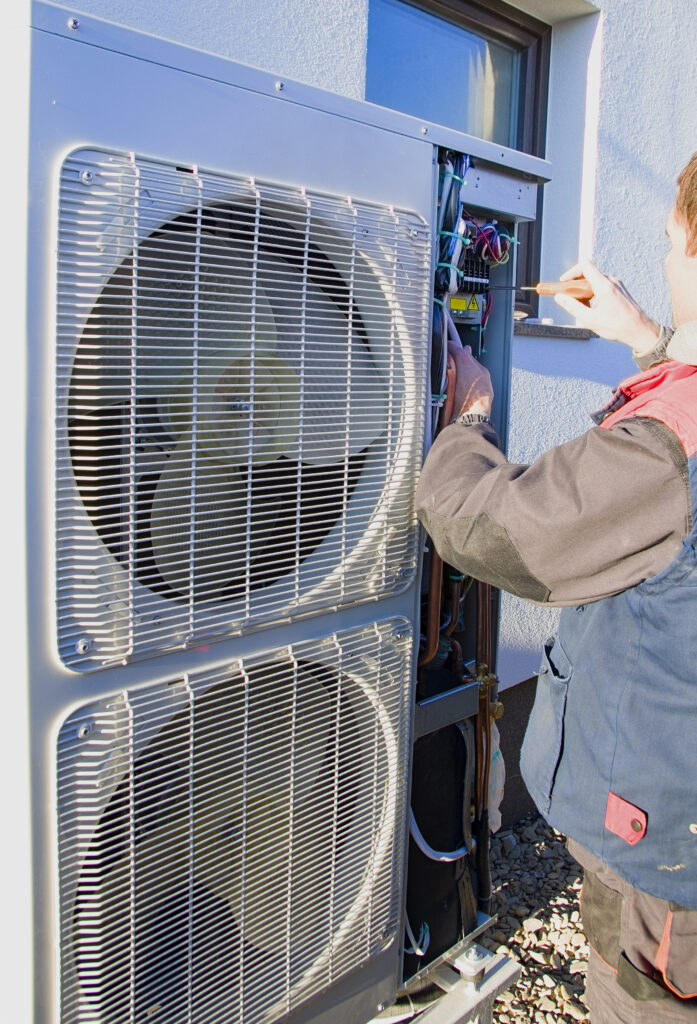
A professional HVAC technician follows a systematic process to find and fix the cause of your AC leaking water inside the house. The visit usually starts with a visual inspection of the indoor unit, drain pan, drain line, and surrounding area to identify the source of the water. The technician will check the air filter, evaporator coil, blower motor, and refrigerant pressures to look for airflow or refrigerant issues that could be freezing the coil. They will also test the float switch, condensate pump if one is installed, and the slope of the drain line to make sure water moves correctly toward the outside termination point. This thorough diagnosis prevents repeat service calls and addresses the actual problem instead of just the symptom.
Once the cause is identified, the technician performs the appropriate repair using the right tools and replacement parts. Common repairs include clearing the condensate drain line with a vacuum and flush, replacing a damaged drain pan, repairing a refrigerant leak and recharging the system, cleaning the evaporator coil, replacing a failed condensate pump, or correcting installation issues such as an improperly sloped drain line. Each repair is followed by a test cycle to confirm that water now flows correctly through the drain and out of the home. The technician should also check related components to make sure no secondary damage has occurred, such as a corroded blower wheel or wet insulation inside the air handler. A complete repair restores both function and reliability.
After the repair, your technician should walk you through what caused the leak, what was done to fix it, and what you can do to prevent it from happening again. They may recommend a maintenance plan, a float switch upgrade, a condensate pump replacement, or a system replacement if the unit is near the end of its service life. Need an expert to stop the leak fast? Click here for our air conditioning repair service. A trustworthy company explains every recommendation in plain language and respects your decision about how to move forward.
Preventing Your AC From Leaking Water Inside the House Next Season
Preventive maintenance is the best long-term solution to keep your AC from leaking water inside the house. An annual tune-up before cooling season includes cleaning the evaporator coil, flushing the condensate drain line, inspecting the drain pan, checking refrigerant levels, testing the float switch, and verifying airflow across the system. These small steps catch developing problems before they turn into active leaks during the hottest part of summer. A technician can also spot rust, corrosion, and wear that indicate when a component is approaching failure, giving you time to plan a repair instead of dealing with an emergency. Most leaks are completely preventable when the system is maintained on a regular schedule.
Homeowners can support professional maintenance with simple monthly habits between visits. Change the air filter on the schedule the manufacturer recommends, usually every one to three months depending on the filter type and household conditions. Keep supply and return vents open and free of furniture, rugs, or curtains so air moves freely through the system. Pour a cup of distilled vinegar down the condensate drain access port every two to three months during the cooling season to slow algae growth. Listen for unusual sounds, watch for weak airflow, and check the area around the indoor unit for any sign of moisture. Catching small issues early always costs less than emergency repairs.
Consider upgrading older equipment when repair costs start climbing or when the system is more than ten to fifteen years old. Newer air conditioners use less energy, manage humidity more effectively, and include features like float switches and improved drain pan designs that reduce the risk of water damage. A properly sized and installed system from a qualified contractor performs better and lasts longer than a budget installation. Pairing new equipment with a maintenance plan protects your investment for the long haul. The combination of modern equipment and regular service gives you the most reliable cooling and the lowest chance of water leaks inside your home.
Why You Need a Trusted HVAC Company To Fix AC Leaking Water Inside the House
Water leaks from an air conditioner can damage your home quickly, and the right HVAC partner makes the difference between a fast fix and a long, expensive problem. A trusted contractor brings the training, tools, and experience needed to diagnose the real cause of the leak the first time. They also stand behind their work with strong warranties and clear communication, so you know exactly what was done and why. Choosing a qualified local company protects your home, your family, and your investment in your cooling system. The sections below explain the value of professional diagnosis, the importance of fast emergency service, and why homeowners across East Tennessee trust Affordable AC & Service.
Why You Need Expert Diagnosis When Your AC Is Leaking Water Inside the House
A professional diagnosis is the foundation of a lasting repair when your AC is leaking water inside the house. Many leaks look the same on the surface, but the underlying causes range from a simple drain clog to a refrigerant leak, a failing blower motor, or a damaged drain pan. Treating the symptom without finding the root cause almost always leads to repeat leaks and more damage over time. A trained technician uses gauges, electrical meters, airflow measurements, and visual inspection to identify exactly what is happening inside the system. That level of detail is impossible to match with online videos or guesswork.
Expert diagnosis also protects the rest of your HVAC system from collateral damage. A frozen coil that goes untreated can destroy the compressor, the most expensive component in the entire unit. A long-term drain leak can rot wood framing, ruin insulation, and create the kind of moisture problems that lead to mold inside walls and ceilings. Catching these issues during diagnosis allows the technician to recommend repairs that address every related problem, not just the obvious leak. The result is a system that works correctly, lasts longer, and costs less to operate over time.
Working with a licensed and insured HVAC company gives you confidence that the diagnosis is accurate and the recommendations are honest. Reputable technicians explain what they found, show you the affected parts, and offer clear options at different price points. They never pressure you into unnecessary repairs or use scare tactics to close a sale. Affordable AC & Service has built its reputation on this kind of straightforward, customer-first service for more than thirty-five years across East Tennessee. That trust is the reason so many homeowners call us first when their AC starts leaking.
Why You Need Fast Emergency Service When Your AC Is Leaking Water Inside the House
Time matters when water is dripping from your ceiling or pooling around your air handler. Every hour the leak continues, more drywall, flooring, framing, and insulation absorb moisture, and the cost of related repairs climbs higher. Mold can start growing in as little as twenty-four to forty-eight hours in warm, humid conditions, which is exactly the environment created by a leaking AC during a Tennessee summer. Fast emergency service shuts the source of the leak off and dries the area before secondary damage takes hold. The difference between same-day service and a three-day wait can be thousands of dollars in repair costs.
A company with true 24/7 emergency service answers the phone at any hour, dispatches a technician quickly, and arrives with the parts needed for most common repairs. That kind of response only happens when a contractor invests in trained staff, stocked trucks, and a service area they know well. Local companies have a built-in advantage here, since their technicians can reach your home faster and recognize the regional issues that affect HVAC equipment in this area. Humidity, summer storms, and older homes with attic-mounted air handlers all create specific challenges that an experienced local technician handles every day. That familiarity speeds up both the drive and the repair.
Affordable AC & Service offers 24/7 emergency HVAC service to homeowners across Meigs, Loudon, Roane, Rhea, McMinn, and surrounding counties. Need fast help with a leak that will not stop? Click here for our emergency HVAC service. We answer the phone day and night, dispatch a technician quickly, and treat every emergency call with the urgency it deserves. Quick action protects your home and gets your family back to comfort as soon as possible.
Why Choose Affordable AC & Service for AC Leaking Water Inside the House
Affordable AC & Service has served homeowners and businesses across East Tennessee for more than thirty-five years, and that experience shows up in every service call we run. We are the #1 HVAC contractor in Meigs County for 2025, a recognition built on consistent quality, fair pricing, and honest recommendations. Our technicians are trained on every major brand of cooling equipment and stay current on the latest diagnostic tools and repair techniques. We approach every leaking AC call with the same commitment to finding the real cause and fixing it right the first time. That standard is the reason so many of our customers call us back year after year.
We stand behind our work with industry-leading warranties that protect your investment for the long term. Every repair we perform includes a 5-year labor warranty, and every new installation includes a 15-year labor warranty, which is well beyond what most HVAC companies offer. We provide free estimates on all services, financing options for larger repairs and installations, and clear pricing with no hidden fees. Our team explains every recommendation in plain language so you can make confident decisions about your home comfort system. The combination of strong warranties and transparent service gives our customers true peace of mind.
If your AC is leaking water inside the house, do not wait for the damage to spread. Call Affordable AC & Service at (423) 800-2029, email us at info@affordableacservice.com, or visit us at 158 Hickory Ln, Ten Mile, TN 37880 to schedule service. We offer 24/7 emergency repairs, free estimates, financing options, and the trusted local experience that comes from serving East Tennessee for more than thirty-five years. Our team is ready to find the source of your leak, fix it correctly, and help you prevent the same problem from coming back. Call today and let us protect your home and your comfort.