
Common Furnace Problems During Cold Weather
The arrival of a Tennessee winter brings a specific kind of beauty to Ten Mile, but it also places an immense amount of pressure on the mechanical systems that keep our homes habitable. Among these, the furnace is arguably the most critical. Throughout the autumn, your heating system sits dormant, waiting for the first true cold snap to roar into life. When that moment arrives, the transition from inactivity to high-demand operation can reveal underlying weaknesses that have developed over the off-season. Because a furnace is a complex machine that coordinates fuel, electricity, and airflow, even a minor malfunction in one area can bring the entire heating process to a grinding halt.
Facing a furnace failure in the middle of a freezing night is a stressful experience for any homeowner. The urgency of the situation often leads to panic, but many of the issues that cause a furnace to struggle during cold weather are actually quite common and predictable. Understanding these frequent pitfalls can help you identify symptoms early, perform basic troubleshooting, and know exactly when it is time to call in a professional. Maintaining a warm home is about more than just setting the thermostat; it is about recognizing the physical toll that extreme cold takes on your heating equipment and being prepared to address the challenges that come with the season.
Thermostat Malfunctions and Communication Breakdowns
The thermostat is the primary point of command for your entire heating system, and during the winter, it is often the first place where problems manifest. Many homeowners assume that if the furnace isn’t running, the furnace itself must be broken, but the issue is frequently a communication failure between the wall unit and the air handler. Modern digital thermostats rely on internal batteries and sensitive sensors to detect the ambient temperature. If the batteries are low, the thermostat may lose its ability to send a strong signal to the furnace control board, resulting in a system that simply ignores your request for heat.

Another common thermostat issue during cold weather involves the placement and calibration of the device. If your thermostat is located near a drafty window or a door that is frequently opened, it will register a temperature that is much lower than the rest of the house. This causes the furnace to run almost constantly, leading to a home that is uncomfortably hot and a utility bill that is unnecessarily high. Conversely, if the thermostat is located near a heat source like a kitchen or a sunny window, it may prematurely shut off the furnace before the bedrooms ever reach a comfortable temperature. Ensuring your thermostat is centrally located on an interior wall and has fresh batteries is the first step in troubleshooting a cold home.
Ignition and Pilot Light Failures
For those with gas or propane furnaces, the ignition sequence is the most delicate part of the heating cycle. In older furnaces, a standing pilot light must remain lit at all times to ignite the main burners. During the winter, a strong draft or a buildup of dirt in the pilot orifice can extinguish this flame. If the pilot light goes out, the thermocouple safety sensor will prevent the gas valve from opening, leaving you without heat. Re-lighting a pilot light is a common winter task, but if it continues to go out, it is a sign that the thermocouple is failing or that the pilot assembly needs a deep cleaning.
Need a furnace repair? Click here for our furnace repair service.
Modern furnaces use electronic ignition, such as a hot surface ignitor, to start the heating process. These components are essentially high-powered filaments that glow white-hot to ignite the gas. Like a lightbulb, these ignitors have a limited lifespan and can become brittle over time. The thermal shock of starting up on a freezing cold morning is often what causes an old ignitor to finally snap or burn out. If you hear your furnace clicking or the inducer motor running but the burners never catch, a failed ignitor is a very likely culprit. This is a common repair that requires professional replacement to ensure the new part is correctly matched to your system’s voltage requirements.
The Impact of Clogged Air Filters and Restricted Airflow
Airflow is the lifeblood of any HVAC system, and a lack of it is the root cause of many furnace problems in Ten Mile. The air filter’s job is to protect the internal components from dust and debris, but during the winter, when the furnace is running more frequently, these filters can clog up much faster than expected. A dirty filter acts as a physical wall, forcing the blower motor to work significantly harder to pull air through the system. This creates a chain reaction of mechanical stress that can lead to an expensive motor burnout or a total system shutdown.
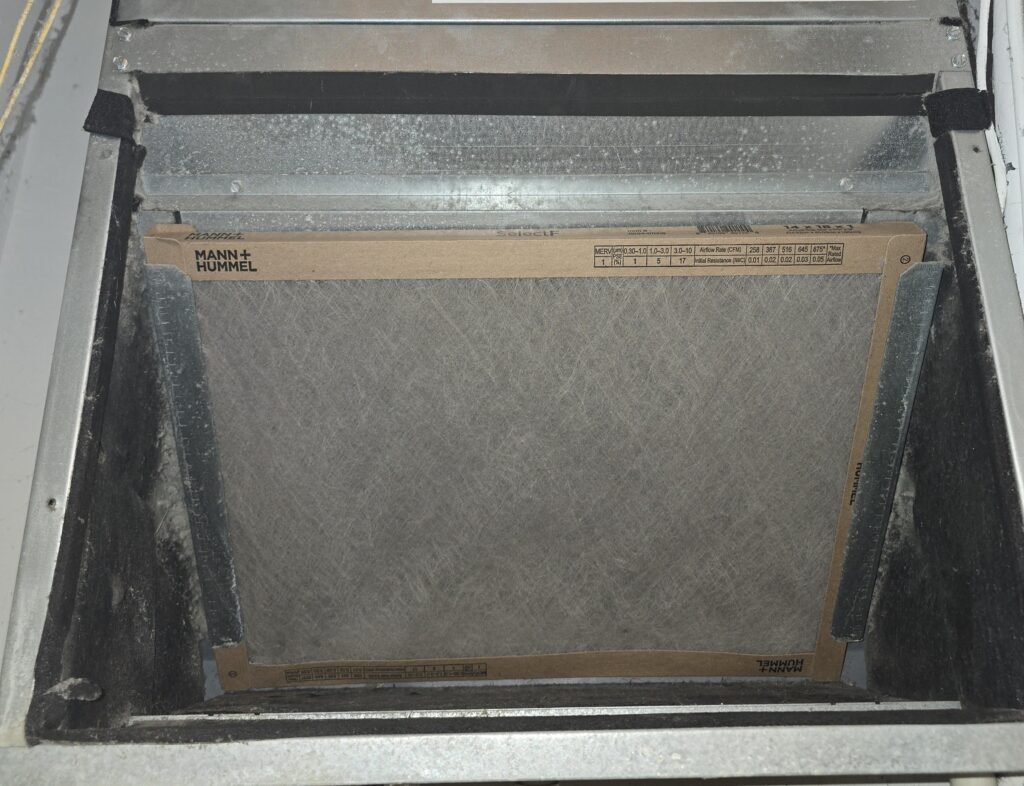
When airflow is restricted by a dirty filter, the heat exchanger inside the furnace cannot dissipate its heat effectively. As the temperature inside the unit rises beyond safe levels, a safety device called the high-limit switch will trigger and shut off the burners to prevent a fire or a cracked heat exchanger. This often results in the furnace short-cycling, where it turns on for a few minutes and then abruptly shuts off before the house is warm. Regularly changing your air filter is the simplest and most effective way to prevent this cycle of overheating and protect the longevity of your furnace during the high-demand months of winter.
Dirty Flame Sensors and Safety Shutdowns
One of the most frequent service calls we receive during cold weather involves a furnace that starts up, runs for just a few seconds, and then shuts down. This specific behavior is almost always caused by a dirty flame sensor. The flame sensor is a small metal rod that sits in the path of the burner flame. Its job is to confirm that a fire is actually present once the gas valve opens. This is a vital safety feature designed to prevent your home from filling with unburned gas if the ignition fails.
Want to know the importance of thermostat calibration? Click here for more information.
Over time, the flame sensor can develop a thin coating of carbon soot or oxidation, which acts as an insulator. Even if the burners are lit perfectly, the soot prevents the sensor from detecting the electrical current of the flame. Because the sensor can’t “see” the fire, it tells the control board to shut off the gas for safety. In the middle of winter, when the furnace is cycling frequently, this buildup can reach a critical point where the system refuses to run at all. Cleaning a flame sensor is a standard part of professional maintenance, and keeping it clear of debris is essential for a reliable heating season.
Mechanical Wear on Blower Motors and Bearings
Winter operation puts a massive mechanical load on the blower motor, which is the part of the furnace responsible for pushing heated air through your ductwork. Because this motor runs for hundreds of hours throughout the season, any lack of lubrication or accumulation of dust can lead to excessive friction. During the cold months, the lubricants inside the motor can become thicker and less effective, which puts even more torque on the motor during startup. This is why many blower motors fail specifically during the first major cold snap of the year.

If you begin to hear squealing, grinding, or loud rattling noises coming from your furnace cabinet, it is an urgent sign that your blower motor or its bearings are in trouble. Ignoring these sounds can lead to the motor seizing up entirely, which often results in a secondary failure of the electrical capacitors or the control board. Furthermore, a struggling motor draws significantly more electricity, which you will notice on your monthly power bill. Having a professional lubricate the moving parts and check the amperage draw of your motor before the deep freeze arrives can prevent a noisy and expensive mid-winter breakdown.
The challenges of heating a home in Ten Mile during the winter are significant, but most common furnace problems are manageable when caught early. Whether it is a simple battery change in the thermostat, a new air filter, or a professional cleaning of the flame sensor, taking proactive steps can ensure your system remains reliable when the temperatures drop. Your furnace is a hard-working appliance that operates under intense conditions to keep your family safe and comfortable. By understanding how the ignition, airflow, and mechanical components interact, you can better appreciate the importance of regular care. If your furnace is struggling with strange noises, short-cycling, or a complete lack of heat, don’t wait for the problem to worsen. The veteran-owned team at Affordable AC & Service is here to provide the expert diagnosis and repair our neighbors depend on. Ensuring your furnace is in top condition is the best way to enjoy a worry-free winter season in East Tennessee.