
Why Your Water Heater Is Making Popping Noises
The quiet operation of a home is something most residents in Ten Mile take for granted until a strange sound disrupts the peace. Among the various appliances that keep a household running, the water heater is typically one of the most silent, tucked away in a utility closet, garage, or basement. When that silence is replaced by a series of loud popping, banging, or crackling noises, it can be quite alarming for any homeowner. These sounds often occur when the water heater is actively heating or immediately after a hot water tap has been turned off. While it might sound like there is someone knocking on the inside of the tank or like popcorn is being made in the basement, these noises are physical signals that the system is under stress.
Understanding the mechanics behind these sounds is essential for preventing a major plumbing emergency. A water heater is a pressurized vessel, and while it is built to be durable, it is not immune to the effects of water chemistry and thermal physics. Ignoring these popping sounds can lead to a significant decrease in energy efficiency and may eventually result in a catastrophic tank failure. For families in East Tennessee, where water mineral content varies, being proactive about these early warning signs is the best way to ensure that your hot water supply remains reliable and your home stays dry.
The Role of Sediment and Mineral Buildup
The primary reason a water heater begins to make popping noises is the accumulation of sediment at the bottom of the tank. Over years of service, minerals that are naturally dissolved in the water supply—specifically calcium and magnesium—begin to settle out and form a hard, crusty layer on the floor of the heater. This process is often accelerated by the heating process itself, which causes the minerals to solidify and bond together. In the Ten Mile area, hard water is a common reality, meaning that sediment can build up much faster than many homeowners realize.

This layer of sediment acts as an insulation barrier between the heating source and the water it is trying to warm. For a gas water heater, the burner is located underneath the bottom of the tank. For an electric unit, the lower heating element is often positioned just inches from the floor. When the heater cycles on, the heat must penetrate through the thick layer of mineral scale before it can reach the water. This creates a pocket of trapped water underneath the sediment layer. As the heat intensifies, that trapped water eventually reaches its boiling point and flashes into steam.
The popping sound you hear is the physical result of steam bubbles violently bursting through the heavy layer of sediment as they try to rise to the top of the tank. The louder the pop, the thicker the sediment layer usually is. This constant miniature explosion at the bottom of your tank is not just a noise issue; it is a sign that your water heater is working much harder than it was designed to. Each pop signifies a moment of intense thermal stress on the metal tank lining, which can eventually lead to a breakdown of the protective glass coating and the beginning of internal rust.
Decreased Efficiency and Rising Energy Costs
One of the hidden consequences of a popping water heater is the direct impact on your monthly utility bills. When a thick layer of sediment covers the bottom of the tank or encases an electric heating element, it drastically reduces the system’s ability to transfer heat efficiently. Instead of the heat going directly into the water, a significant portion of that energy is wasted as it struggles to overcome the insulation provided by the mineral scale. This means your water heater has to run for much longer periods to achieve the temperature set on your thermostat.
Need a water heater replacement? Click here for our water heater installation service.
Homeowners in Ten Mile may notice that their hot water doesn’t seem to last as long as it once did, or that the recovery time between showers has increased. This happens because the sediment is effectively stealing the heat and occupying space at the bottom of the tank that should be filled with hot water. The longer cycles required to heat the water lead to a steady increase in energy consumption, whether you are using gas, propane, or electricity. Over the course of a year, this inefficiency can add hundreds of dollars to your home’s operating costs, making the noise a very expensive background sound.
Furthermore, the extended run times caused by sediment lead to accelerated wear and tear on all components of the water heater. In a gas unit, the constant high heat required to penetrate the sediment can cause the bottom of the tank to overheat, which can eventually weaken the steel and cause it to warp. In electric units, the lower heating element can become so buried in sediment that it burns out prematurely due to a lack of proper water circulation. Addressing the popping noise early is not just about silence; it is about restoring the energy efficiency of your home and protecting your household budget.
The Risk of Tank Overheating and Premature Failure
A water heater that is allowed to pop and bang for an extended period is a water heater that is on the fast track to failure. The internal steel tank of a water heater is protected by a thin layer of glass lining that prevents the water from coming into direct contact with the metal. However, the localized overheating caused by sediment buildup can cause the steel to expand and contract more drastically than the glass lining can handle. Over time, this thermal stress leads to cracks in the glass lining, exposing the raw steel to the corrosive effects of hot water.

Once the steel is exposed, rust begins to form. This corrosion is an irreversible process that gradually eats away at the integrity of the tank. The popping sounds are often the precursor to the development of pinhole leaks. Because these leaks often start at the bottom of the tank where the sediment is thickest, they can be difficult to spot until they have caused significant dampness or a visible puddle. In some cases, the bottom of the tank can become so compromised by the constant overheating and subsequent corrosion that it fails catastrophically, leading to a sudden and massive release of water into your home.
Residents of Ten Mile should also be aware that the popping noise can be an indicator that the sacrificial anode rod has been depleted. The anode rod is a critical safety component designed to attract corrosive elements to itself, effectively sacrificing its own metal to save the tank. When a unit is heavily filled with sediment, the anode rod often degrades much faster. Once the rod is gone and the sediment continues to trap heat against the floor of the unit, the tank has no remaining defenses. A noisy water heater is a system that is crying out for maintenance before it reaches the point of no return.
Professional Flushing and Descaling Solutions
If your water heater has recently started making popping noises, there is a chance that the system can be saved through professional maintenance. A standard tank flush involves more than just draining the water. To effectively remove a hard, calcified layer of sediment, a technician must often use specialized equipment and high-pressure flushing techniques. For electric water heaters, the lower heating element may need to be removed so that the technician can manually break up and vacuum out the solid mineral chunks that have accumulated around the base.
Want to know the benefits of a professional water heater install? Click here for more information.
In cases where the sediment has become particularly stubborn, a descaling solution may be required. This process involve using a safe, specialized chemical that dissolves the calcium and magnesium bonds, allowing the minerals to be flushed away completely. This restores the direct contact between the heating source and the water, which immediately eliminates the popping sounds and returns the unit to its original efficiency levels. Our team at Affordable AC & Service has been performing these types of specialized maintenance tasks in Ten Mile since 1989, and we have seen firsthand how much a proper flush can extend the life of an aging unit.
However, it is important to note that flushing a tank is not a guaranteed fix for an older unit. If a water heater has been neglected for many years and the popping sounds have been persistent, the damage to the internal lining may already be too severe. In some instances, removing a thick layer of sediment can actually reveal leaks that the sediment was unintentionally sealing. This is why it is vital to have a professional assessment. We believe in providing honest, veteran-led advice, and if we believe your tank is too far gone for a flush to be successful, we will let you know before you invest money in a temporary solution.
When the Popping Noise Means It Is Time to Replace
There comes a point where the noise coming from your utility room is no longer a call for maintenance, but a final warning that the water heater has reached the end of its life. Most traditional tank water heaters have a projected lifespan of about eight to twelve years. If your unit is in this age range and is popping loudly, the most financially responsible move is often a full replacement. Investing in repairs or deep cleaning for a unit that is already past its prime is often just a way of delaying the inevitable.
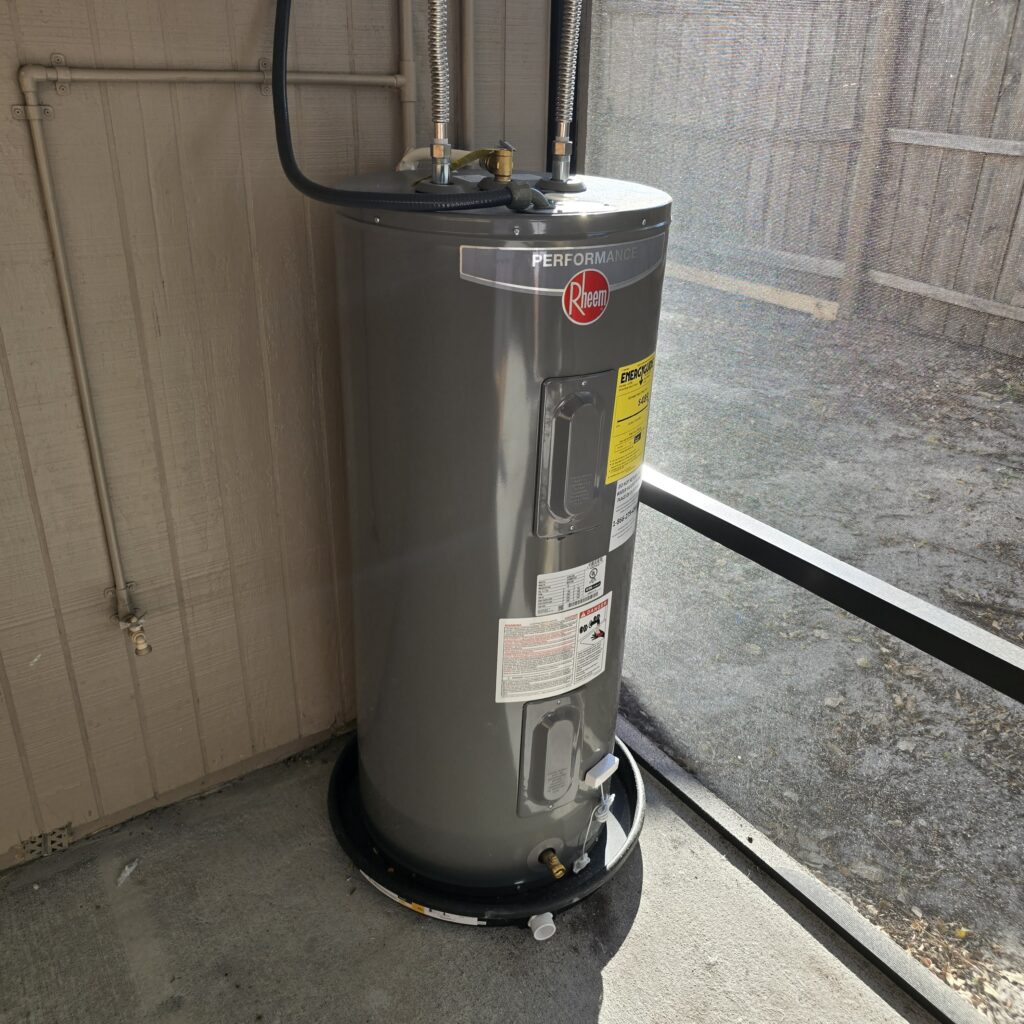
Modern water heater technology has advanced significantly, and a new installation offers benefits that go beyond just getting rid of the noise. New units are built with better insulation and are designed to resist sediment buildup much more effectively than the models of a decade ago. If you decide to upgrade, you might also consider a tankless water heater. These systems eliminate the popping noise entirely because they do not have a storage tank where sediment can collect. They heat the water as it flows through the unit, providing endless hot water while occupying a fraction of the space.
Choosing professional installation for your new unit is essential for ensuring that it is set up correctly from day one. A new water heater must be properly leveled, vented, and calibrated to avoid the issues that plagued the previous unit. By working with our family-operated team, you can rest assured that your new system will be installed to the highest standards, backed by our solid warranties. We have helped countless Ten Mile neighbors transition from a noisy, failing tank to a quiet, high-efficiency system that provides peace of mind and consistent comfort.
A popping water heater is more than just a minor household nuisance; it is a clear indicator of a system struggling to perform its primary function. Whether it is the result of hard water sediment in Ten Mile or years of deferred maintenance, those sounds represent wasted energy, rising costs, and a growing risk of property damage. By understanding that the noise is caused by steam bubbles fighting through mineral buildup, you can take the necessary steps to address the problem before it turns into a disaster. Whether your unit needs a professional deep flush to restore its efficiency or a full replacement to ensure your home’s safety, taking action now is the best way to protect your investment. Since 1989, Affordable AC & Service has been the trusted partner for local homeowners, providing the honest expertise needed to keep the hot water flowing quietly and reliably. Don’t wait for a leak to turn a popping noise into a major emergency. Trust our veteran-owned team to give your water heater the attention it deserves and keep your home comfortable for years to come.