
Why Your Water Heater Is Making Strange Noises
The silence of a utility closet or basement is often the sound of a job well done. We rarely give a second thought to the appliances tucked away there, particularly the water heater, until the moment that silence is broken by a sound that is loud, alarming, and completely unexpected. Whether it’s a terrifying bang, a persistent low rumble, or a high-pitched whine, these strange noises are more than just annoying disturbances; they are often urgent messages from your appliance, warning you that something is wrong, and that a sudden, expensive failure may be on the horizon. Ignoring the sounds emanating from your water heater is a common and costly mistake. Those noises are not random; they are indicators of mechanical distress, chemical reaction, or flow restriction, and understanding the source of the noise is the first step toward preventing a breakdown, avoiding a potential flood, and ensuring the continued comfort of your home.
The Loudest Culprit: Popping, Rumbling, and Boiling (Sediment)
The most common, and often the most alarming, sound produced by a traditional storage tank water heater is a loud popping, crackling, or rumbling noise that seems to come from deep within the tank. Homeowners often describe it as sounding like boiling water, popcorn popping, or pebbles rattling. This noise is almost always a direct result of sediment buildup at the bottom of the tank. For many homeowners in Ten Mile and across East Tennessee, the local water supply contains varying levels of dissolved minerals, commonly referred to as “hard water.” These minerals primarily include calcium and magnesium, which separate from the water as it is heated and settle at the bottom of the tank.

Over the course of months and years, these minerals form a thick, calcified layer on the tank floor. For a gas water heater, this layer sits directly over the burner; for an electric unit, it often surrounds the lower heating element. This layer acts as an insulator, trapping water beneath it. When the burner or element activates, it heats this trapped water to extreme temperatures, often well above its normal boiling point. This water then suddenly flashes to steam. The expanding steam bubbles violently force their way up and out through the heavy, packed layer of mineral sediment, causing the loud popping and rumbling noises you hear. The rumbling sound is the steam bubbles collapsing as they reach the cooler water above, and the popping is the sound of the superheated water escaping the sediment trap.
This sediment buildup is not just noisy; it is highly detrimental to the longevity and efficiency of the appliance. Firstly, it creates a layer of insulation between the heating source and the water you actually want to heat, forcing the system to run much longer and consume significantly more energy to achieve the desired temperature. This translates directly into higher utility bills. Secondly, the extreme temperatures and pressure created when the sediment superheats water cause significant stress on the metal tank lining. This localized overheating accelerates corrosion, damages the protective glass lining of the tank, and significantly increases the chance of the tank failing prematurely, resulting in a sudden, catastrophic leak.
The Solution to Sediment: Tank Flushing and Descaling
Fortunately, if caught early enough, the problem of sediment buildup can often be addressed. The primary preventative and corrective measure for this issue is a professional tank flush. This involves shutting off the water supply to the tank, shutting off the power or gas, and draining the tank completely using the drain valve near the bottom. The goal is to evacuate the built-up sediment along with the water.
However, once the sediment has been allowed to harden and calcify, a simple drain is often insufficient. Most sediment that has been compressed by years of water pressure will not simply flow out through the small drain valve. For these instances, a professional service is required. Our team uses specialized equipment, often involving high-velocity flushing hoses and descaling solutions, to break up and remove the stubborn mineral deposits. For electric water heaters, the lower heating element may need to be temporarily removed to manually clean the sediment that has solidified around it, as that area is the point of most intense heating and buildup.
Need water heater repair? Click here for our water heater repair service.
It is crucial to understand that if the popping and rumbling noises have been loud and persistent for many months, the damage to the tank may already be done. The intense overheating associated with years of ignoring sediment can crack the glass liner or compromise the tank’s structural integrity. While flushing the tank will eliminate the noise, it cannot repair the damage that has already occurred. In these cases, especially if the water heater is already reaching the end of its projected lifespan, the noise is less of a call for a flush and more of an urgent signal that a replacement is needed.
High-Pitched Sounds: Screaming, Whining, and Squealing (Flow Issues)
While the low rumble of sediment is a concern about what is inside the tank, high-pitched noises—such as a persistent squeal, a whine, or a rapid humming sound—are typically related to water flow or pressure issues outside the tank. These sounds indicate an obstruction, a restriction, or a failure in one of the water line components attached to the heater.
The most common source of a high-pitched whine or squeal is a partially restricted valve. This is often the cold water inlet valve that controls the flow of water into the tank, or sometimes a nearby shut-off valve that is not fully open. When water is forced through a narrow or partially blocked opening, the turbulence created can result in a high-pitched vibration, much like placing your thumb partially over a garden hose. If you hear this noise, the first simple step is to check all valves connected to the water heater and ensure they are fully open. If they are, the problem may be an internal failure of the valve mechanism or a blockage within the pipes themselves.
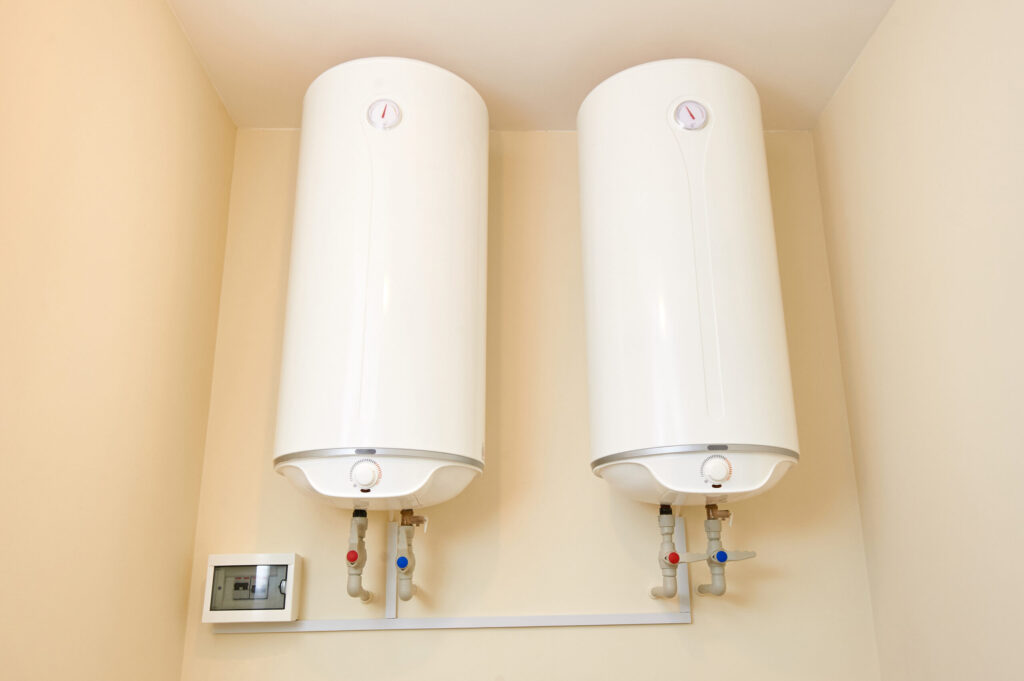
A rapid whistling or high-pitched sound can also be associated with a faulty temperature and pressure (T&P) relief valve. This is the single most important safety device on your water heater, designed to open and vent steam and water if the temperature or pressure inside the tank reaches dangerous, explosive levels. If this valve is faulty or has corrosion and starts leaking or making noise, it is a non-negotiable safety concern that requires immediate professional attention. A faulty T&P valve may not open when needed, or it may be venting excess pressure caused by another underlying issue, such as a problem with the home’s expansion tank or water pressure regulator. These issues demand a certified technician to diagnose and correct the core pressure problem immediately.
Ticking, Clicking, and Whooshing (Normal vs. Abnormal Operations)
Not every noise coming from the water heater is a sign of impending doom. Some noises are simply the sounds of the system doing its job. However, it is important to know the difference between the sounds of normal operation and those that are the precursors to failure.
A recurring ticking or clicking noise, particularly as the water heater is running, is often completely normal. This is usually the sound of metal expanding and contracting due to thermal changes. The steel tank walls, the heating elements in an electric unit, or the vent pipe in a gas unit all expand slightly when heated and contract when cooled. These minor sounds of thermal expansion are a natural part of the heating cycle. Similarly, in an electric water heater, a clean, sharp “click” is usually the sound of the thermostat or relay turning the heating elements on or off.
For gas water heaters, the sound of a soft “whoosh” when the system cycles on is the normal sound of the main burner igniting. This indicates the system is working correctly. However, a loud, delayed boom or bang is a sign of a serious, dangerous malfunction called delayed ignition. This occurs when the gas valve opens, but the pilot light or electronic ignitor fails to light the gas immediately. The gas is allowed to pool in the combustion chamber before finally igniting, resulting in a miniature, controlled explosion. Delayed ignition stresses the heat exchanger and is a sign that the system’s ignition assembly, pilot, or burner needs cleaning and recalibration. This is a hazardous condition that should be addressed by a professional technician right away.
When Noise Means the Tank is Nearing the End of its Life
For many homeowners, especially those facing the typical hard water conditions found in the Ten Mile area, a persistent noise is not just a call for maintenance; it is an alarm bell that the water heater has entered the final stage of its life. Storage tank water heaters are engineered to last between eight and twelve years. Once a tank has been operating beyond that ten-year mark, every loud noise should be taken as a serious indicator of irreversible damage.
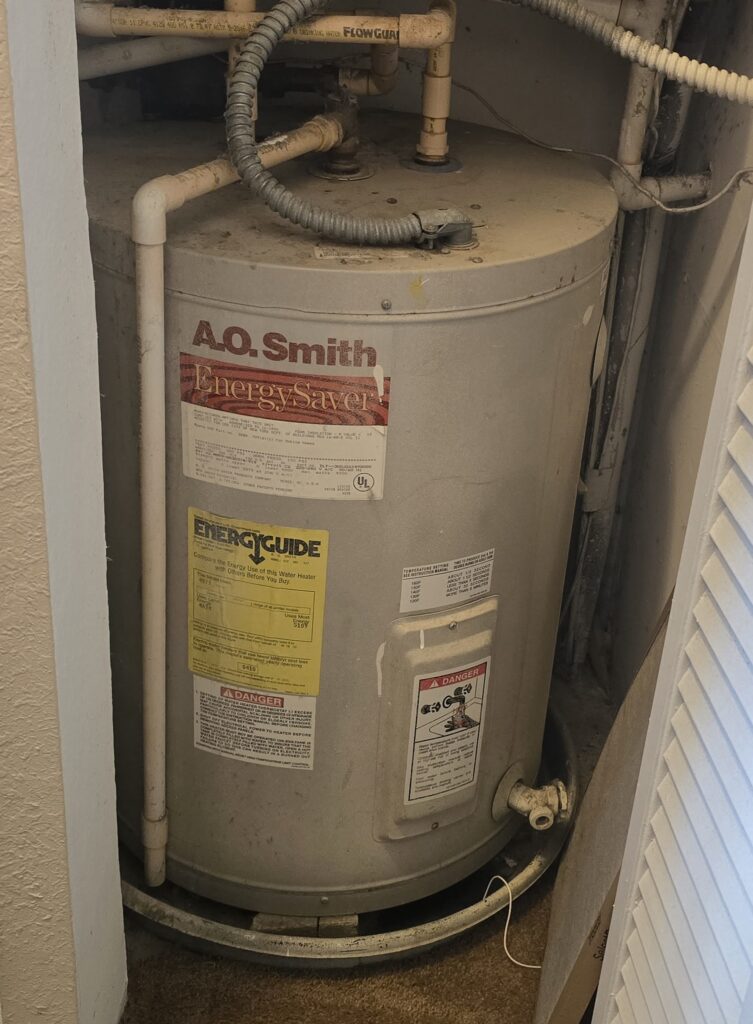
The biggest factor in this end-of-life signal is the acceleration of rust and corrosion. Sediment buildup, as discussed, creates extreme temperatures that degrade the protective glass lining of the steel tank. Once that lining is compromised, the exposed metal begins to rust rapidly. The popping and rumbling noises often become quieter right before failure because the sediment has been displaced, but the corrosion has already occurred. By the time a homeowner sees a small puddle of water around the base of the tank—the true indicator of catastrophic failure—it is too late. The internal steel has been perforated, and the only solution is replacement.
Attempting to aggressively flush an older, heavily corroded tank can actually trigger a leak by disturbing the only remaining integrity holding the perforations closed. At this stage, throwing money at an old unit for repairs is almost always a losing proposition. The cost of labor for repairs, the potential for emergency service during a Tennessee cold snap, and the constant stress of waiting for the tank to burst often outweigh the cost of a modern, highly efficient replacement. The noise, in this context, is a final, urgent recommendation to start planning for installation.
The Affordable AC & Service Solution: Water Heater Installation
The moment a water heater becomes persistently noisy, the homeowner is faced with a difficult choice: repair or replace? While our team is equipped to handle comprehensive tank flushing, T&P valve replacement, and element repair, we believe in providing our neighbors in Ten Mile with the most financially sound, long-term solution. Once a tank is noisy and past the ten-year mark, replacement is usually the smarter investment.
Want advice before replacing your HVAC system? Click here for more information.
Modern water heater technology offers significant advantages over the noisy, sediment-filled tanks of the past. Homeowners can choose from high-efficiency tank units that better resist sediment and provide superior insulation, dramatically lowering monthly energy consumption. Even more revolutionary are tankless water heaters, which completely eliminate the sediment problem because they heat water instantly, on demand, without a storage tank. For a home that has struggled with hard water and continuous sediment buildup, switching to a tankless system is an investment that provides endless hot water and eliminates the primary source of water heater noise and failure.
Regardless of the choice, professional installation is crucial. A water heater replacement involves complex tasks like handling high-voltage wiring, connecting gas lines, ensuring correct venting, and safely dealing with high water pressure. Our dedicated, family-operated team has the expertise to ensure your new water heater is installed safely, efficiently, and to all local codes. We specialize in water heater installation and are ready to guide you through the process of choosing a quiet, efficient system that will provide years of reliable hot water.
The strange noises emanating from your water heater are not just irritating background sounds; they are a critical source of information. Whether the sound is the low, dangerous rumble of sediment demanding a flush, or the persistent squeal of a restricted valve, these sounds are your appliance pleading for attention. Ignoring these warnings will almost certainly result in higher energy bills, a frustrating cold shower, and the significant inconvenience and expense of a catastrophic leak. Taking the time to understand the language of your water heater—recognizing that popping usually means sediment, and squealing means pressure—empowers you to act before the problem escalates. If your water heater is old and complaining loudly, the most financially responsible and safe course of action is often replacement. Our team is here to provide the expertise necessary, ensuring your Ten Mile home has a quiet, reliable source of hot water for years to come.