
Why Winter Is Hard on Your HVAC System
While many homeowners in Ten Mile look forward to the relief from the summer humidity, the arrival of winter brings a new set of challenges for the household heating and cooling system. It is a common misconception that the cooling season is the only time an HVAC system faces significant stress. In reality, the winter months can be just as grueling, if not more so, due to the physical toll that extreme cold, moisture, and constant operation take on the mechanical and electrical components of your unit. The transition from cooling to heating is not merely a change in the direction of airflow; it is a fundamental shift in how the system processes energy and manages the internal climate of your home.
Understanding why winter is so taxing on your HVAC system is the first step in ensuring your home remains a sanctuary during the coldest months of the year. From the freezing temperatures that affect outdoor machinery to the increased demand for indoor warmth, every part of the system is pushed to its limits. When the thermometer drops, the margin for error within your furnace or heat pump shrinks. Small inefficiencies that were barely noticeable in the autumn can quickly escalate into full-scale mechanical failures when the system is forced to run for hours on end to combat a Tennessee cold snap.
The Physical Toll of Freezing Temperatures
The most obvious way winter impacts your HVAC system is through the sheer drop in temperature. For homes equipped with heat pumps, the outdoor unit is particularly vulnerable to the elements. These systems work by extracting heat from the outdoor air, but as the temperature falls, there is less heat to extract. This physical reality forces the unit to work much harder and run for longer durations to achieve the same results it reached easily in milder weather. The compressor, which is the heart of the system, must operate at higher pressures, which naturally leads to increased wear and tear on its internal valves and seals.
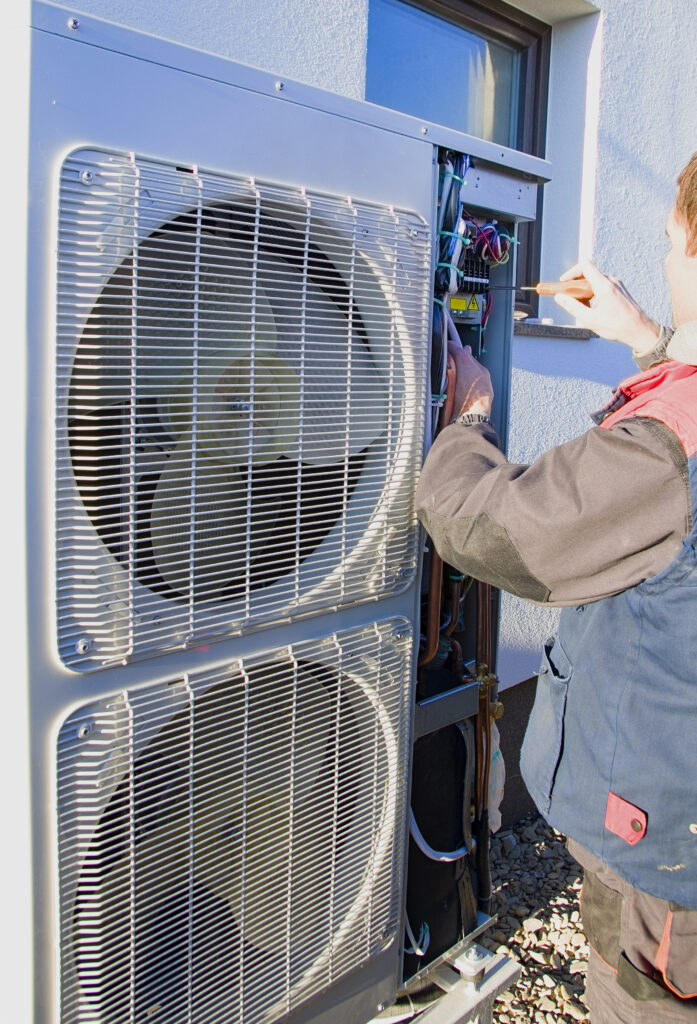
Freezing temperatures also introduce the risk of ice accumulation on the outdoor coils. When the moisture in the air hits the cold coils, it can turn into frost or solid ice. While most modern heat pumps have a built-in defrost cycle, this process itself is stressful. During defrost mode, the system essentially switches back into air conditioning mode to warm up the outdoor coils and melt the ice. This sudden reversal of the refrigerant flow, coupled with the rapid temperature changes, puts significant thermal stress on the copper tubing and the reversing valve. If the ice is allowed to build up too thick, it can even bend the delicate aluminum fins or damage the fan blades, leading to a permanent drop in efficiency.
For those with gas furnaces, the cold affects the venting and ignition systems. High-efficiency furnaces produce condensation as part of the combustion process, and this water must be drained away. If the drain lines are located in unheated crawlspaces or attics, they can freeze solid. This creates a backup that triggers the safety sensors, shutting the furnace down completely to prevent water damage or improper venting. Furthermore, the cold air outside can affect the density of the air being pulled into the combustion chamber, sometimes requiring the system to adjust its fuel-to-air ratio to maintain a safe and efficient flame.
Increased Operational Demand and Cycle Times
Winter brings a level of demand that few other seasons can match. In Ten Mile, we often see periods of sustained cold where the temperature remains below freezing for days at a time. During these stretches, your HVAC system rarely gets a chance to rest. The constant cycling on and off, or the extended run times required to maintain a comfortable indoor temperature, accelerates the aging process of the motors and electrical components. The blower motor, which is responsible for moving air throughout your ductwork, is under constant load, which can lead to overheating if the motor bearings are not properly lubricated or if the system is struggling with airflow.
Need a furnace replacement? Click here for our furnace installation service.
This increased demand is also a major test for the electrical integrity of your home. Heating systems, especially electric furnaces and the auxiliary heat strips in heat pumps, draw a massive amount of amperage. This high electrical load generates heat within the wiring and at the connection points. If there are any loose wires or aging capacitors, the winter workload will find them. It is very common for electrical components to fail in the middle of a cold night because they simply could not handle the sustained power draw required to keep the house warm.
Furthermore, the thermostat habits of the household can add to the stress. Many homeowners try to save money by turning the heat way down when they leave for work and cranking it up when they return. While this seems logical, it forces the system to run in a recovery mode for an extended period, often engaging the expensive and high-stress auxiliary heat. This long, intense run time is much harder on the equipment than maintaining a relatively steady temperature throughout the day. The repetitive stress of these long recovery cycles can lead to premature failure of the heat exchanger or the compressor.
The Impact of Low Indoor Humidity
Winter air is notoriously dry, and this lack of moisture has a secondary but significant impact on your HVAC system. As the system heats the air, the relative humidity drops even further. Dry air does not hold heat as well as moist air, which means your home can feel colder than it actually is, leading you to bump up the thermostat and put even more strain on the unit. This creates a cycle where the system works harder to compensate for the physical properties of the air it is trying to heat.
The dry air also affects the physical components of the system itself. Static electricity is much more prevalent in a dry environment. While this is a minor annoyance for people, it can be a real threat to the sensitive electronic control boards inside your furnace or air handler. A single static discharge can fry a microchip on a motherboard, leading to a system that refuses to communicate with the thermostat or fails to follow its ignition sequence. Protecting these electronic components is one of the hidden challenges of managing a heating system in the winter.

Additionally, the lack of humidity can lead to an increase in airborne dust and fibers. In a dry home, dust doesn’t settle as quickly; it stays suspended in the air. This means your air filters will clog much faster during the winter than they do in the spring or autumn. A clogged filter is the primary cause of restricted airflow, which leads to the system overheating and shutting down on its high-limit switch. This repetitive overheating and cooling cycle is extremely damaging to the heat exchanger, often leading to the small cracks that eventually require a full system replacement.
Challenges for Ductwork and Home Insulation
The ductwork in your home is the circulatory system for your HVAC unit, and winter reveals every flaw in its design or condition. Many ducts in Ten Mile homes run through unconditioned spaces like attics, basements, or crawlspaces. In the summer, these areas are hot, but in the winter, they can be near freezing. If your ducts are not properly insulated, the heat your furnace worked so hard to produce is lost to the attic before it ever reaches your living room. This is known as conductive heat loss, and it forces the system to run longer to make up for the lost energy.
Want to know information before replacing your HVAC? Click here to get the details.
Air leaks in the ductwork are also more problematic in the winter. Because the air inside the ducts is much warmer than the air in the crawlspace, the pressure difference is greater. This causes more of your heated air to be pushed out of small cracks and seams. Not only is this a waste of money, but it also creates a pressure imbalance in the house that can pull cold, dirty air in from the outside through gaps in your home’s siding or foundation. This makes the air harder to heat and dirtier for your family to breathe.
The overall insulation of the home also dictates how hard the HVAC system has to work. In the winter, heat is constantly trying to escape through the ceiling and walls. If your attic insulation has settled or is insufficient, your heating system is essentially fighting an uphill battle. It is trying to fill a bucket that has holes in the bottom. This constant battle prevents the system from ever reaching its set point and shutting off, which leads to the mechanical fatigue that defines winter HVAC failures. Ensuring that your home’s envelope is sealed is one of the best ways to reduce the seasonal burden on your equipment.
Lubrication and Mechanical Friction in the Cold
Mechanical components are subject to the laws of physics, and cold weather changes the way lubricants perform. The oil and grease used in blower motors, fan bearings, and compressors can become thicker and more viscous when the temperature drops. This creates more resistance when the motor tries to start, requiring a higher surge of electricity and putting more torque on the internal parts. This cold-start friction is a major contributor to motor burnout during the winter months.
In heat pumps, the compressor contains oil that is vital for protecting its moving parts. If the system has been off for a period during a very cold stretch, that oil can migrate and settle. Starting a compressor when the oil is too cold or has moved away from the critical surfaces can cause immediate mechanical damage. Most heat pumps use a crankcase heater to keep the compressor warm and prevent this issue, but if that small heater fails, the compressor is left vulnerable to the harsh effects of a cold start.
Furthermore, the materials that make up your HVAC system expand and contract with temperature changes. Metal, plastic, and rubber all react differently to the freezing cold of the night and the intense heat produced during a run cycle. This constant expansion and contraction can cause seals to shrink and leak, or electrical connections to gradually work themselves loose over time. The mechanical stress of these temperature swings is a silent but persistent force that slowly degrades the reliability of the system throughout the winter season.
Winter is undeniably a season of high stakes for your heating and cooling equipment. The combination of freezing outdoor temperatures, relentless operational demand, and the physical challenges of dry air creates an environment where only the best-maintained systems can thrive. Every component, from the smallest electrical relay to the heavy-duty compressor, is tested by the harsh conditions of a Ten Mile winter. By understanding these stresses, homeowners can better appreciate the importance of preventative care and timely repairs. A system that is struggling with a dirty filter or a failing capacitor in November is far more likely to experience a total breakdown in January when the workload is at its peak. Protecting your investment and ensuring your family’s comfort requires a proactive approach to seasonal maintenance. Taking the time to ensure your system is prepared for the cold is the most effective way to mitigate the toll that winter takes on your HVAC unit. If you want to make sure your system is ready for whatever the Tennessee winter has in store, the professionals at Affordable AC & Service are here to provide the expert service and maintenance your home depends on.