
When to Repair vs Replace Your Water Heater
The daily rhythm of a household in Ten Mile depends heavily on the quiet, consistent performance of the water heater. From the first hot shower in the morning to the final load of laundry or dishes at night, we rely on this appliance to provide comfort and sanitation without a second thought. However, because the water heater is often tucked away in a garage, basement, or utility closet, it is frequently a case of out of sight, out of mind until the moment the hot water stops flowing. When a malfunction occurs, every homeowner faces the same critical dilemma: is it better to invest in a repair to keep the current unit going, or is it time to bite the bullet and replace the entire system?
Making the right choice requires a balance of financial practicality, safety awareness, and an understanding of modern appliance technology. Repairing a unit can be a cost-effective way to get a few more years of service out of a relatively young heater, but sinking money into an aging, corroded tank can be a waste of resources. By evaluating specific factors such as the age of the unit, the nature of the problem, and long-term energy savings, you can make a decision that protects both your home and your budget. Navigating this crossroad with the help of a professional ensures that you aren’t caught off guard by a catastrophic failure or an unnecessarily high utility bill.
Evaluating the Age and Lifespan of the Unit
The most significant factor in the repair versus replace debate is the age of the water heater. Most traditional tank-style water heaters are designed to have a functional lifespan of about eight to twelve years. If your unit is less than six or seven years old, a repair is almost always the more logical choice. At this age, the internal tank is likely still in good condition, and the problem is usually a replaceable component like a heating element, a thermostat, or a thermocouple. These are relatively inexpensive fixes that can return the unit to peak performance quickly.

However, once a water heater passes the ten-year mark, the math begins to shift significantly toward replacement. Even if the unit is still functioning, it has reached a point of high risk. The internal glass lining that protects the steel tank from corrosion has likely begun to degrade after a decade of constant exposure to heat and water pressure. In the Ten Mile area, where water mineral content can be a factor, this internal wear can happen even faster. Investing several hundred dollars in a repair for a twelve-year-old unit is often a poor financial move, as the tank itself could spring an unrepairable leak just weeks or months after the repair is completed.
Homeowners should check the manufacturer label on the side of the tank to determine the exact age. If the serial number indicates the unit is approaching its eleventh or twelfth birthday, you are essentially on borrowed time. At this stage, a replacement isn’t just a fix for a current problem; it is a proactive measure to prevent a sudden, catastrophic tank failure that could lead to significant water damage in your home.
The Rule of Repair Costs and Frequency
Another practical way to decide between repairing and replacing is to look at the total cost of the repair relative to the value of a new system. A common guideline used by HVAC and plumbing professionals is the fifty percent rule. If the cost of the repair, including labor and parts, exceeds half the cost of a brand-new water heater installation, then replacement is the much better investment. It rarely makes sense to pay for a major repair on a used machine when that money could go toward a brand-new unit with a fresh warranty.
Need a water heater repair? Click here for our water heater repair service.
You should also consider the frequency of repairs. If this is the first time your water heater has acted up in five years, a repair is a reasonable one-time expense. However, if you find yourself calling for service every few months to replace a different part, you are experiencing the beginning of a total system breakdown. These small, recurring costs can quickly add up to the price of a new unit without providing the reliability of one. A water heater that requires constant attention is a liability that will eventually leave you without hot water at the most inconvenient time possible.
When a professional from Affordable AC & Service inspects your unit, they can provide a clear breakdown of the repair costs versus the benefits of a new installation. Sometimes, a seemingly small repair can reveal deeper issues, such as heavy sediment buildup or internal rust, that make a repair a temporary band-aid rather than a permanent solution. Understanding the true condition of the unit allows you to stop throwing good money after bad.
Assessing Tank Integrity and Visible Leaks
The nature of the malfunction itself often dictates whether a repair is even possible. Most water heater components—like the anode rod, heating elements, dip tube, and valves—can be easily swapped out by a technician. If the problem is localized to these parts, the system can usually be saved. However, if the tank itself is leaking, the decision is made for you. There is no such thing as a reliable repair for a leaking or corroded water heater tank.

A leak coming from the base of the tank usually indicates that the internal steel has rusted through. Because the tank is a pressurized vessel, any attempt to patch or weld a leak is dangerous and destined to fail. If you see a puddle of water around the bottom of your heater, or if you notice rust streaks running down the side of the jacket, the unit is a ticking time bomb. In this situation, the only safe and effective course of action is an immediate replacement to prevent a total breach that could flood your utility room or basement.
It is important to distinguish between a tank leak and a leak from a valve. Sometimes water pools at the bottom because the temperature and pressure relief valve is dripping or a pipe fitting has loosened. These are external issues that can be repaired. However, if the moisture is seeping from the internal structure of the heater, it is a sign that the metal has reached its breaking point. For homeowners in Ten Mile, being vigilant about these visual signs can be the difference between a controlled replacement and an emergency cleanup.
Efficiency Gains and Long-Term Energy Savings
Even if an old water heater can be repaired, there is a strong argument for replacement based on energy efficiency. Water heating is typically the second-largest energy expense in a Tennessee home, right behind heating and cooling. Older units lose efficiency as sediment builds up on the bottom of the tank, acting as an insulator that forces the burner or element to work much harder and run much longer to heat the same amount of water.
Need a water heater installation? Click here for our water heater installation service.
Modern water heaters are significantly more efficient than those manufactured just a decade ago. New units have better insulation, more advanced burner designs, and more accurate controls. By choosing to replace an aging unit rather than repairing it, you can see a noticeable drop in your monthly utility bills. Over the course of the new unit’s lifespan, these savings can often pay for a large portion of the initial installation cost. This is a factor that a simple repair can never offer.
Furthermore, a replacement gives you the opportunity to upgrade to newer technology, such as a tankless water heater. Tankless systems are incredibly efficient because they only heat water as you need it, eliminating the standby energy loss of a traditional tank. If your current tank-style heater is old and needs a major repair, it might be the perfect time to switch to a tankless model, which provides endless hot water and can last twice as long as a traditional tank. Evaluating these long-term benefits is a key part of making a financially sound decision.
Safety Concerns and Peace of Mind
The final, and perhaps most important, consideration is the safety of your home and family. An aging water heater isn’t just a potential source of a cold shower; it can also be a safety hazard. Gas water heaters that are poorly maintained or past their prime can develop venting issues, leading to the risk of carbon monoxide entering the living space. Electric units with old, frayed wiring or corroded heating elements can pose a risk of electrical shorts or even fires.
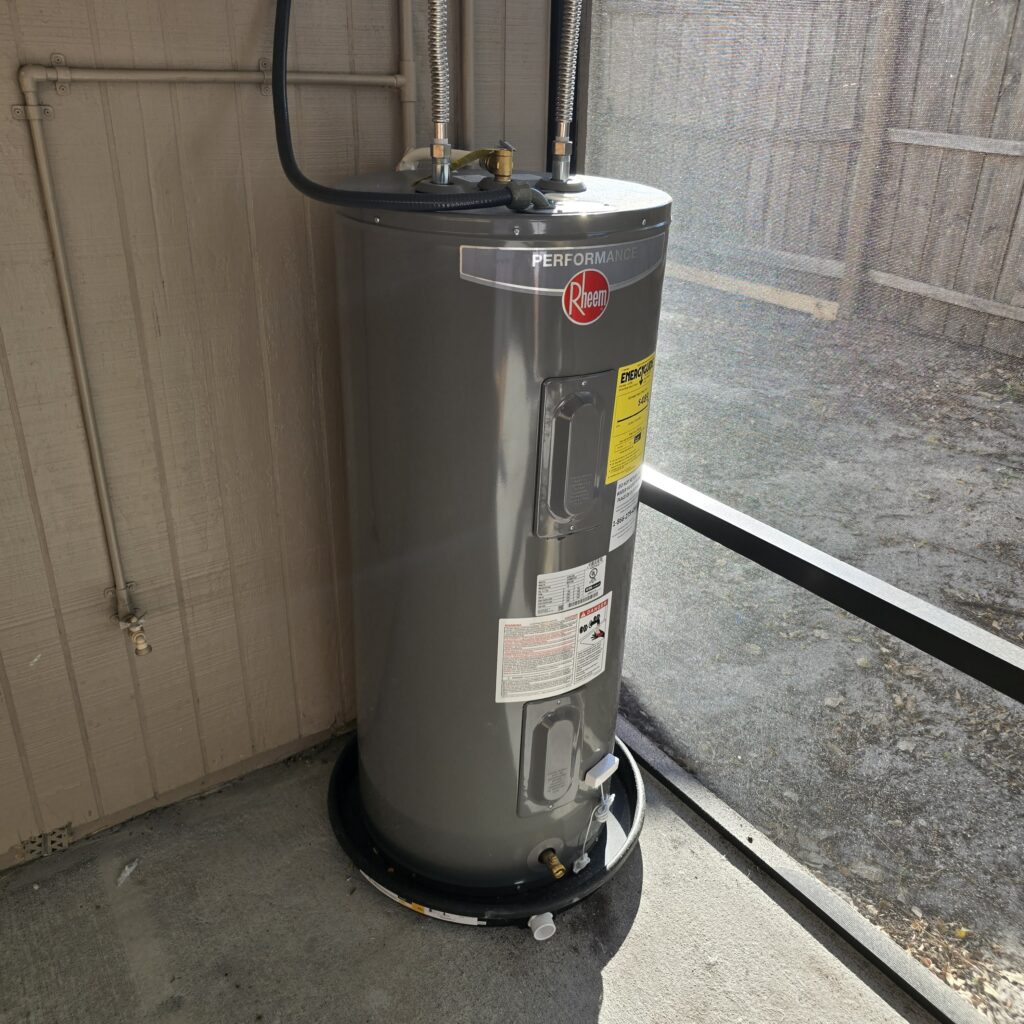
Choosing to replace a questionable unit provides a level of peace of mind that a repair cannot match. When you install a new water heater, you know that all the safety features, such as the temperature and pressure relief valve and the venting system, are brand new and functioning perfectly. You also gain the protection of a manufacturer’s warranty, which covers you in the event of any early defects. For many families in Ten Mile, the confidence that comes with a reliable, safe, and efficient new system is worth the investment.
If you are constantly worried about the state of your utility room or if you find yourself checking the water heater every time you hear a strange noise, it is a sign that you no longer trust the appliance. A professional assessment can help you decide if that lack of trust is justified. At Affordable AC & Service, we pride ourselves on giving honest, veteran-led advice that prioritizes the safety and comfort of our neighbors. We won’t suggest a replacement if a simple repair will suffice, but we will always be upfront when a unit has become a liability to your home.
The decision to repair or replace your water heater is a significant one that impacts your daily comfort and your household finances. While it is tempting to opt for the lower cost of a repair in the short term, you must weigh that against the age, efficiency, and overall condition of the unit. A young water heater with a minor part failure is a prime candidate for a repair, but an older unit that is showing signs of rust, making strange noises, or causing high utility bills is often telling you that its time is up. By understanding the factors of tank integrity and the long-term savings offered by modern technology, you can make a choice that ensures your Ten Mile home remains a place of comfort and safety. Whether you need a quick fix to get your hot water back today or a professional installation of a high-efficiency new system, our team is here to guide you every step of the way. Investing in the right solution now will save you from the stress of a future emergency and provide the reliable hot water your family depends on.