
What Those Strange Noises From Your AC Really Mean
A quiet hum is the only sound a healthy air conditioner should make during a hot Tennessee summer. When that gentle background noise turns into a bang, a squeal, or a steady rattle, your system is trying to tell you something is wrong. Different sounds point to different problems, and learning to read them can save you from a small repair turning into a full breakdown. Some noises signal a loose part that takes ten minutes to tighten, while others warn of a failing compressor that can cost thousands to replace. Catching the difference early gives you time to act before the unit quits on the hottest afternoon of the year. This guide walks through the most common air conditioner noises, what each one usually means, and when you should call a professional right away. By the end, you will know which sounds are harmless and which ones demand fast attention. Your ears can be one of the best diagnostic tools you own when you know what to listen for.
Common Air Conditioner Noises and What Each Sound Is Trying to Tell You
Every strange air conditioner noise has a story behind it, and that story usually points to a specific component under stress. A buzzing sound rarely means the same thing as a grinding sound, and a one time clunk during startup is very different from a constant rattle that never stops. Mechanical parts, electrical connections, and the refrigerant system each produce their own distinct warning signals when they begin to fail. The trick is matching the sound you hear to the part most likely responsible for it. Volume, timing, and location all add clues that help narrow down the cause. Some noises come only during startup, others during shutdown, and a few run the entire cycle. Paying attention to these patterns gives a technician a head start before they ever open the unit. The sections below break down the noises homeowners report most often.
Buzzing and Humming Air Conditioner Noises Explained
Buzzing is one of the most frequent air conditioner noises homeowners notice, and it almost always traces back to an electrical issue somewhere in the system. Loose wiring, a failing contactor, or a relay that is starting to stick can all create a steady buzz that grows louder over time. The contactor in particular acts like a switch that closes to send power to the compressor and condenser fan, and a worn one will chatter and buzz as its surfaces pit and corrode. A buzzing condenser fan motor can also mean the motor bearings are wearing out and the blade is struggling to spin freely. In some cases, a refrigerant leak forces the compressor to work harder and produce a low buzzing strain that signals deeper trouble inside the sealed system. Loose hardware on the cabinet panels can vibrate against the metal and add to the noise, though that is usually the least serious cause. A constant electrical buzz should never be ignored, since it can point to a fire risk in older or poorly maintained units. The safest move is to shut the unit off at the breaker and schedule a professional inspection.
Humming sits close to buzzing on the sound spectrum, but it often carries a slightly different meaning for your cooling system. A unit that hums but refuses to start usually has a failing capacitor, the small cylindrical part that gives the motor the jolt of energy it needs to begin spinning. When the capacitor weakens, the motor receives power but cannot turn over, so it sits there humming and pulling current until it overheats and shuts down on its safety limit. This is one of the most common air conditioner repair calls during peak summer, and a blown capacitor left unaddressed can burn out an expensive motor. Humming can also come from normal electrical activity in the contactor or transformer, and a quiet hum during operation is often nothing to worry about. The concern rises when the hum is loud, new, or paired with a fan that will not move. Frozen evaporator coils can sometimes produce a strained humming sound as well, since restricted airflow puts the whole system under load. When humming replaces the normal cooling cycle, the unit needs a closer look from a trained technician.
Telling the difference between a harmless hum and a dangerous buzz takes a careful ear and a little experience. A good rule of thumb is to note when the sound happens and what the rest of the system is doing while it makes that noise. A hum that comes with strong, cold airflow and a unit that cools normally is usually background electrical noise and nothing more. A buzz that comes with weak airflow, warm air, a tripped breaker, or a fan that hesitates points to a real fault that will get worse. Smelling anything burnt alongside the sound turns the situation into an immediate safety concern that calls for shutting the system down. Hearing a constant buzz or hum from your AC? Click here for our air conditioning repair service. A licensed technician can test the capacitor, inspect the contactor, and measure the electrical load to find the true source. Guessing on electrical components is dangerous, so leave the diagnosis to someone with the right tools and training.
Rattling and Clicking Air Conditioner Noises Explained
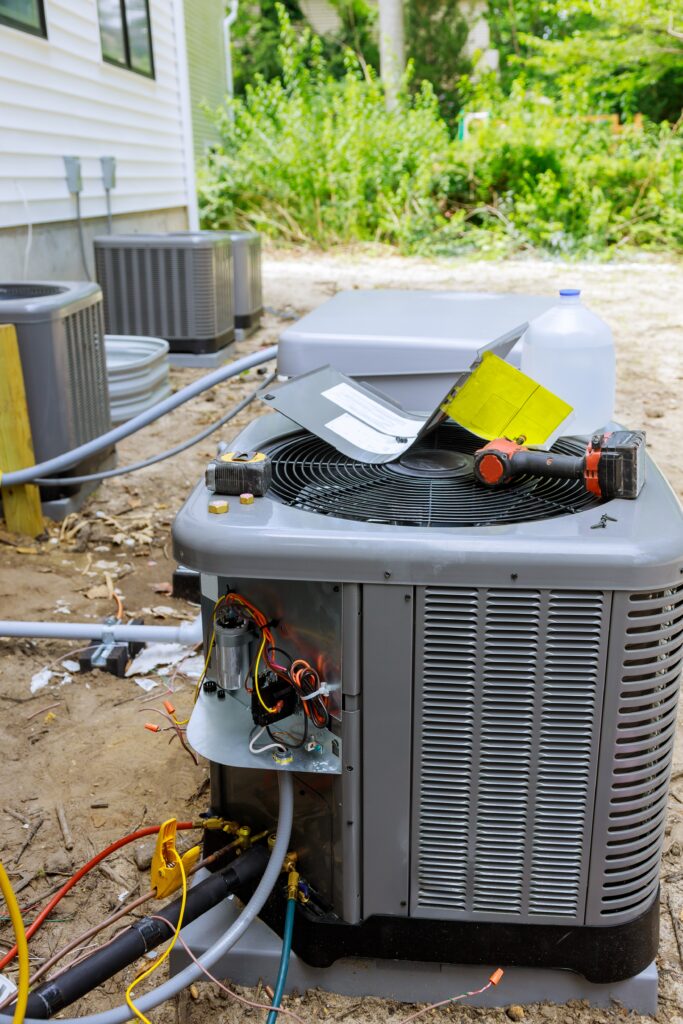
Rattling is the air conditioner noise that most often comes from something physical working its way loose inside or around the unit. Screws, bolts, and panel fasteners vibrate free over years of operation, and once they loosen they buzz and rattle against the cabinet during every cooling cycle. Twigs, leaves, gravel, and other debris pulled into the condenser by the fan can bounce around and create a sharp rattling clatter that startles homeowners. A rattling sound that grows worse over time can also mean the fan blade is bent or that the motor mount is breaking down and letting the assembly shake. In some units, a failing compressor will rattle as its internal parts wear and the electrical components inside loosen. Ductwork can rattle too when panels expand, contract, or sit loose against framing, sending the sound through the whole house. The cause matters because a loose screw is a quick fix while a rattling compressor signals a major and expensive problem. A professional can pinpoint the source quickly by isolating which part shakes during operation.
Clicking is a normal part of every air conditioner cycle, but a constant or rapid click crosses the line into a warning sign. You should hear a single click when the thermostat calls for cooling and another when the system shuts off, and those clicks come from relays and the contactor doing their job. Trouble starts when the clicking repeats over and over, refuses to stop, or comes paired with a unit that will not start cooling. Rapid clicking at startup often points to a failing capacitor or a control board relay that cannot hold a steady connection. A clicking sound near the outdoor unit can also mean the contactor is sticking and chattering as it tries and fails to close cleanly. Electrical clicking deserves attention because it usually signals a part that is wearing out and dragging other components down with it. The thermostat itself can be the culprit when its internal switch fails and sends inconsistent signals to the system. Tracking down the exact relay or control requires testing that goes beyond what most homeowners can safely do.
Both rattling and clicking reward homeowners who catch them early, since both start small and grow into bigger failures. A rattle from a loose panel screw is harmless for a while, yet that same vibration can crack solder joints, loosen wiring, and wear other parts down if it runs for months. Clicking from a tired relay tends to get more frequent until the part finally quits and leaves you without cooling on a sweltering day. Regular maintenance catches these issues during a tune up, long before they leave you sweating in a hot house. A technician will tighten hardware, clear debris, inspect the fan assembly, and test every electrical connection during a thorough visit. Want to stop these noises before they start? Click here for our air conditioning maintenance service. Staying ahead of small problems is always cheaper than reacting to a full breakdown. A well kept system runs quieter, lasts longer, and costs less to operate.
Squealing, Grinding, and Banging Air Conditioner Noises Explained
Squealing is a high pitched air conditioner noise that usually points straight at a motor or a bearing under stress. Older systems that still use a belt to drive the blower will squeal when that belt wears, slips, or dries out and loses its grip. Most modern units run a direct drive motor instead, so squealing in a newer system more often means the fan motor bearings are failing and metal is grinding against metal without enough lubrication. The blower motor inside the air handler can squeal in the same way when its bearings wear down after years of constant spinning. High pressure inside the sealed refrigerant system can also produce a squealing or screaming sound, and that particular noise is a serious safety signal. A squeal that comes and goes with the fan tells you the problem lives in the motor, while a squeal tied to the compressor points somewhere deeper. Catching a squealing bearing early can mean a simple motor service instead of a full replacement. Ignoring it lets the motor burn out and take the rest of the cooling cycle with it.
Grinding is the air conditioner noise that almost always means metal parts are scraping against each other where they should be spinning smoothly. The most common cause is a set of motor bearings that have failed completely, leaving the motor shaft to grind in its housing with no cushion left. This sound should never be ignored, because a grinding motor is moments away from seizing and leaving you without cooling on the hottest day of the year. Running a unit that grinds can also damage surrounding parts as the failing motor sends vibration and heat through the assembly. The condenser fan motor and the indoor blower motor are the usual suspects, and both can grind when their bearings dry out and wear away. A grinding sound paired with weak airflow tells you the blower is struggling to push air through the system. Shutting the unit off at the first sign of grinding protects the rest of the system from collateral damage. A technician can replace the worn motor before the problem spreads to costlier components.
Banging and clanking are the loudest and most alarming air conditioner noises, and they signal a part that has come loose inside the compressor or fan assembly. A loose or broken connecting rod, piston, or crankshaft inside the compressor will bang as the unit tries to run, and that usually means the compressor is failing. A banging fan often has a bent or loose blade striking the cabinet, or a piece of debris large enough to jam the blade and stop it cold. These sounds are never normal and should prompt you to shut the system down right away to prevent further damage. Running a unit that bangs can crack the compressor housing, bend the fan beyond repair, or throw debris that damages the coils. The compressor is the heart of your air conditioner and the most expensive single part to replace, so protecting it matters. A sudden bang followed by silence usually means something inside has broken and the unit has shut itself down. When you hear banging, the safest path is to power off the system and call for emergency service before the damage spreads.
When AC Noises Mean You Need Emergency HVAC Service Right Away
Not every air conditioner noise is a true emergency, but certain sounds tell you the system needs help before the day is out. A loud bang, a sharp grinding, a high pitched scream, or a strong electrical buzz paired with a burning smell all fall into the category of stop and call now. These noises point to compressor failure, motor seizure, refrigerant pressure problems, or electrical faults that can damage the unit further or create a safety hazard. Tennessee summers push cooling systems hard, and a small problem during a heat wave can spiral into a complete failure within hours. Knowing which sounds demand fast action keeps you from running a damaged unit that destroys itself trying to keep up. The goal is always to protect the most expensive components before a minor issue becomes a major bill. The sections below help you sort the urgent noises from the ones that can wait a day or two.
Emergency Air Conditioner Noises That Cannot Wait Until Tomorrow
A hissing or screaming sound from your air conditioner often points to a refrigerant leak or dangerously high pressure inside the sealed system. Refrigerant leaks lower your cooling power, force the compressor to overwork, and release chemicals that should never escape into your home or yard. A loud hiss near the indoor coil or the refrigerant lines deserves immediate attention from a licensed technician who can find and seal the leak. High pressure inside the system can cause the unit to shut down on a safety switch, and in rare cases it creates a genuine rupture risk. These sounds are not the kind you wait out over a weekend, since every hour of operation makes the underlying problem worse. The longer a leak runs, the more likely it becomes that the compressor suffers permanent damage from running low on refrigerant. Acting fast on a hiss or scream often saves the most costly part in the entire system.
Banging and violent grinding belong at the top of the emergency list because both threaten the compressor and motor at once. A compressor that bangs is breaking apart internally, and continuing to run it guarantees a full replacement instead of a possible repair. A motor that grinds is seconds from seizing, and a seized motor can trip breakers, overheat wiring, and stress the entire electrical side of the system. Both sounds mean you should cut power to the unit immediately rather than hoping the noise fades on its own. Waiting overnight with a banging compressor can turn a repairable fault into a complete system loss. The cost difference between catching these failures early and running them to total breakdown is often thousands of dollars. Hearing a loud bang, grind, or hiss from your AC? Click here for our emergency HVAC service. Fast action protects both your wallet and your comfort during the hottest stretch of the year.
Electrical noises paired with warning signs round out the list of true air conditioner emergencies. A loud buzz combined with a burning smell, smoke, scorch marks, or a breaker that keeps tripping points to an electrical fault that can become a fire hazard. These situations call for shutting the system off at the breaker and keeping it off until a professional inspects the wiring and components. Electrical problems do not fix themselves, and running a unit with a fault risks both the equipment and your home. A repeated clicking that ends with the unit failing to start can also mean a control failure that needs prompt service to restore cooling. Any noise that comes with heat, smoke, or a burning odor moves straight into emergency territory. When safety is in question, powering down and calling a licensed technician is always the right call. Our team answers emergency calls around the clock so you never have to wait out a dangerous fault.

Air Conditioner Noises That Can Usually Wait for a Scheduled Repair
Some air conditioner noises annoy you without putting the system at immediate risk, and these can usually wait for a regular service appointment. A mild rattle from a loose panel screw, a soft hum during normal cooling, or an occasional single click at startup and shutdown all fall into this calmer category. These sounds still deserve attention, since small issues grow over time, but they do not demand that you shut the unit down on the spot. Scheduling a repair within a few days lets a technician tighten hardware, clear debris, and check the components before the noise turns into something worse. The key is making sure the unit still cools well and shows no signs of strain while it makes the noise. A system that runs cold and steady with a minor rattle has more breathing room than one that bangs and quits. Keeping a simple log of when the sound happens helps the technician diagnose it faster.
A light buzzing that comes only at startup, a brief whistle from the vents, or a gentle gurgle from the condensate line often points to minor issues rather than emergencies. Whistling vents usually mean restricted airflow from a dirty filter or closed registers, and swapping the filter sometimes solves it on its own. A gurgling condensate line can signal a partial clog that needs clearing before it backs up and causes a leak. These problems are worth addressing soon, yet they rarely leave you without cooling in the next few hours. A technician can handle them during a standard visit and often catch other small problems at the same time. Bundling these minor repairs into one appointment saves money compared to multiple emergency calls. Staying observant lets you tell the small stuff from the serious stuff with confidence.
The smartest way to handle the in between noises is to schedule service before they have a chance to grow. A rattle ignored for months can crack a solder joint, and a whistling vent left alone can ice over a coil and choke off airflow entirely. Catching these issues during a planned visit keeps small repairs small and protects the system from cascading failures. A technician can also use the visit to inspect refrigerant levels, test electrical parts, and clean the coils so the unit runs at full strength. This kind of proactive care extends the life of your air conditioner and keeps your energy bills in check. Most homeowners find that one or two service visits a year prevent the majority of summer breakdowns. Acting on minor noises early is one of the easiest ways to avoid a hot house and a big repair bill.
Why You Need a Trusted HVAC Team to Diagnose Your AC Noises
Strange air conditioner noises are easy to hear but hard to diagnose correctly without training, tools, and experience. A buzz could be a cheap capacitor or a failing compressor, and only proper testing tells the two apart. Guessing wrong wastes money on parts you do not need or lets a serious fault run until it destroys the unit. A licensed technician reads the sound, tests the components, and finds the true cause so you fix the right thing the first time. For more than 35 years, our team has helped Tennessee homeowners turn confusing noises into clear answers and lasting repairs. The sections below explain how we diagnose, what our warranties cover, and why so many neighbors trust us with their cooling systems.
How Our Technicians Diagnose Strange Air Conditioner Noises
Our technicians start every noise diagnosis by listening carefully and noting exactly when and where the sound occurs during the cooling cycle. Timing and location narrow the field of possible causes long before we open a single panel. We then test the electrical components, measure refrigerant pressure, and inspect the moving parts to confirm the source of the sound. This methodical approach prevents the guesswork that leads to wasted money and repeat repairs. Every test we run points us closer to the real problem and away from costly assumptions. By the time we finish, you get a clear explanation of what the noise means and what it takes to fix it.
Years of field experience let our team recognize patterns that newer technicians might miss entirely. A particular buzz, a certain rattle, or a specific grind often matches a known failure that we have repaired hundreds of times. That experience speeds up the diagnosis and gets your system cooling again faster, which matters most during a Tennessee heat wave. We carry common parts on our trucks so many repairs happen in a single visit instead of stretching across several days. Fast, accurate work is the heart of good HVAC service. Our goal is always to find the problem once and solve it for good.
We also explain what we find in plain language so you understand the repair and the reasoning behind it. You deserve to know why a part failed and how to keep it from failing again, not just a bill with no explanation. We walk you through the diagnosis, show you the worn part when we can, and lay out your options clearly. This honest approach has earned us long term trust across Meigs County and the surrounding communities. We treat your home and your budget with the same care we would want for our own. Clear answers and fair pricing keep our customers coming back year after year.

Our Warranties Protect Your Air Conditioner Repair Investment
Every repair we make comes backed by a strong labor warranty that protects the money you spend on fixing your system. We stand behind our work with a 5 year labor warranty on repairs, which gives you peace of mind long after we leave your driveway. This warranty means that if our repair fails within that window, we make it right without charging you again for the labor. Few companies in the region offer this level of protection, and it reflects the confidence we have in our technicians. A warranty this long only makes sense for a team that does the job right the first time. You get lasting coverage instead of a quick fix that leaves you wondering.
New installations carry even stronger protection with our 15 year labor warranty on new equipment. Replacing an air conditioner is a major investment, and that long warranty protects your money for well over a decade. When you choose us to install a new system, you get both quality equipment and the assurance that our labor stands the test of time. This kind of coverage saves you from surprise costs down the road and keeps your comfort secure for years. We build every installation to last, then back it with a warranty that proves it. Long term value matters, and our warranties deliver exactly that.
Free estimates and financing options round out the protection we offer your budget. You can find out what a repair or installation will cost before you commit a single dollar, with no pressure and no surprises. For larger jobs, our financing options spread the cost into manageable payments that fit real household budgets. This approach keeps comfort within reach even when an unexpected breakdown strikes at the worst time. We believe quality HVAC service should be affordable, and our name reflects that belief. Honest pricing and flexible payment keep your home cool without draining your savings.
Why Choose Affordable AC & Service for Your AC Noise Repairs
Affordable AC & Service has served Tennessee homeowners for more than 35 years, and that long history shows in every repair we make. We earned the number one HVAC contract in Meigs County for 2025 by delivering honest work and dependable results season after season. Our reputation rests on treating customers fairly, charging reasonable prices, and standing behind every job we complete. When you call us about a strange air conditioner noise, you reach a team that takes your comfort and safety seriously. Decades of local experience mean we understand exactly what Tennessee summers demand from a cooling system. That experience translates directly into faster, more accurate repairs for your home.
We back our work with 24/7 emergency HVAC repairs so a loud bang at midnight never has to wait until morning. Cooling failures do not keep business hours, and neither do we when your family needs relief from the heat. Our team responds quickly, diagnoses the problem accurately, and gets your system running again with as little disruption as possible. Free estimates, financing options, and industry leading warranties make the whole process easier on your wallet. We combine the responsiveness of a local company with the skill of a seasoned professional crew. That combination is hard to find and even harder to beat.
Choosing us means choosing a partner who genuinely cares about keeping your home comfortable and your costs low. We answer the phone, show up on time, and treat your home with respect from the first call to the final test. Reach us at (423) 800-2029 or email info@affordableacservice.com whenever a strange noise has you worried about your air conditioner. We proudly serve Ten Mile and the surrounding communities with the kind of trustworthy service that has defined us for over three decades. Let our experienced team turn those alarming sounds into a system that runs quiet, cool, and reliable. Call today and find out why so many of your neighbors trust Affordable AC & Service.