
How Often Should a Heat Pump Be Serviced?
The heat pump is an ingenious invention, representing one of the most significant advances in home comfort technology. For homeowners in Ten Mile, a heat pump is a practical and highly efficient choice, capable of handling both the hot, humid summers and the damp, chilling winters that characterize the Tennessee climate. Unlike a conventional split system—where a furnace heats and an air conditioner cools—the heat pump is an all-in-one appliance, simply moving heat energy where it needs to go. It pulls heat from inside your home in the summer and reverses the process in the winter to pull latent heat from the outside air. While this dual capability offers superior comfort and energy savings, it places a unique and constant demand on the machinery. A heat pump works, in some capacity, for virtually every day of the year. Because of this constant, double duty, the question of maintenance frequency is not just important; it is critical. The short answer for a heat pump is twice a year, and understanding the mechanical reasons why this biannual service is essential is the key to protecting your investment.
The Unique Demands of a Year-Round System
To fully grasp why a heat pump requires two service visits annually, one must first recognize the fundamental difference between its operational cycle and that of a traditional HVAC system. A gas furnace typically works hard for four or five months out of the year, and an air conditioner works hard for another five or six months. For the rest of the time, those systems are largely dormant. A heat pump, by contrast, is operational for all twelve months, switching seamlessly between heating and cooling modes.

This year-round workload means that the heat pump logs roughly double the operating hours of its single-purpose counterparts. The motors, fans, and most importantly, the compressor, are under continuous stress. This relentless usage accelerates wear and tear on components, doubles the rate at which dust and grime accumulate, and puts continuous pressure on the system’s delicate electrical and refrigerant circuits. If a traditional system is like a car that is driven only half the year, a heat pump is driven continuously, demanding that its “oil changes” and “tire rotations” occur with greater frequency.
The switching mechanism itself, centered around the reversing valve, is another component subject to constant use and stress. This valve is what allows the system to change the flow of refrigerant, enabling the unit to pull heat from the outside air in the winter or reject heat to the outside air in the summer. This mechanism must be perfectly calibrated. Any dirt, corrosion, or electrical fault affecting the reversing valve can lead to a costly failure or, at minimum, cause the system to struggle inefficiently when attempting to switch modes. Only twice-yearly professional servicing can ensure this core function is ready to reliably meet the demands of both the peak cooling and peak heating seasons in the Ten Mile area.
The Spring Service: Preparing for the Cooling Season
The first essential service visit should occur in the spring, typically in late winter or early spring before the first wave of high temperatures and high humidity hits Tennessee. This service is focused on reversing the effects of the winter workload and preparing the system for the rigors of cooling.
During the cold months, the outdoor unit of the heat pump acts as the evaporator, absorbing latent heat from the cold air. Because of this function, the coil is continuously wet from thawing frost and is exposed to the elements. The coil becomes coated with dirt, grime, and environmental debris carried in the wind. When the technician performs the spring service, a critical step is meticulously cleaning both the outdoor (condenser) and indoor (evaporator) coils. This cleaning process is vital because a layer of dirt, no matter how thin, acts as an insulator, drastically reducing the coil’s ability to exchange heat. If the coils are dirty, the compressor has to run much longer to remove the heat from your home, skyrocketing your energy consumption.
Need heat pump maintenance? Click here for our heat pump maintenance service.
Another crucial check during the spring service involves the refrigerant levels and the system’s pressure. The cooling cycle demands a perfect charge of refrigerant to operate efficiently. Low refrigerant charge is a common problem, often caused by small, slow leaks in the lines, and it is a major cause of compressor failure. A technician uses specialized gauges to verify the charge and identify any leaks that might have developed over the winter. If the charge is low, the system is forced to strain itself, and the compressor is placed under extreme stress, ultimately shortening its life. Finally, the technician inspects and flushes the condensate drain line. Given the substantial humidity in our region, the air conditioning process generates gallons of water. Flushing the drain line prevents clogs, which can lead to water backup, property damage, and internal mold growth inside the air handler.
The Fall Tune-Up: Optimizing for Heating Mode
The second essential service visit occurs in the fall, typically in late summer or early autumn, right before the cold weather makes its first appearance. This service focuses specifically on the heat pump’s ability to efficiently extract heat and provide warmth. This fall maintenance is arguably the most overlooked service, yet it is absolutely critical for the efficient and safe operation of the unit throughout the winter.
A key task in the fall tune-up is checking the auxiliary or emergency heat strips. These electric resistance heaters are the most expensive way to heat a home, and they are designed only to be activated when the heat pump cannot keep up with extremely low temperatures or needs a quick boost. A technician verifies that the controls and sensors are correctly calibrated to ensure the heat pump relies on its highly efficient primary heating mode for as long as possible. If the auxiliary strips are turning on too frequently or too early due to a calibration error, the homeowner’s electric bill can quickly become astronomical.
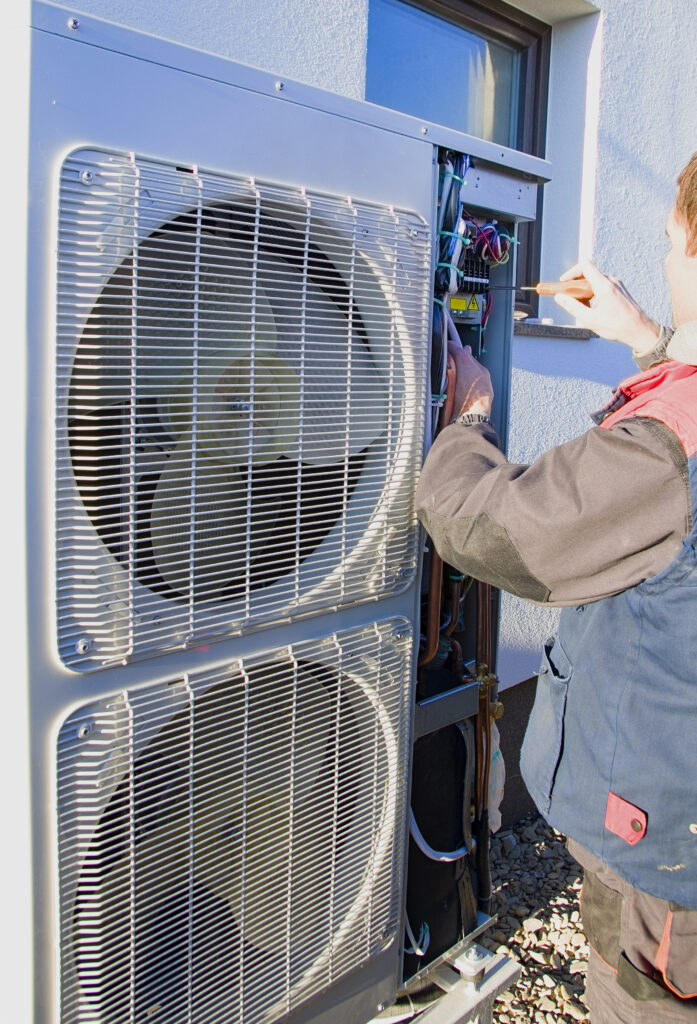
The technician also performs a detailed inspection of all electrical connections and components. The heating season places a massive load on the electrical system. The constant thermal cycling can cause connections to loosen, leading to increased resistance, which generates heat and creates a severe fire hazard. By tightening connections and measuring the current draw (amperage) of the motors and compressor, the technician can identify components that are failing or beginning to strain, such as a blower motor nearing the end of its life, allowing for a proactive, scheduled repair rather than an expensive, emergency replacement in the dead of winter. Furthermore, the technician verifies the proper operation of the defrost cycle, ensuring the unit can efficiently shed ice buildup in cold, damp conditions, which is crucial for maximizing heating output in Tennessee’s climate.
The Financial Cost of Skipping Service
The argument for twice-yearly servicing is overwhelmingly financial. While the cost of two tune-ups may seem like an extra expense, it is far less than the money wasted on inefficient operation or the cost of a major emergency repair.
The direct link between maintenance and your utility bill is undeniable. A heat pump running with a low refrigerant charge, slightly dirty coils, or a sticky reversing valve can lose between ten and twenty-five percent of its rated efficiency. This inefficiency translates directly into higher monthly electricity consumption. The cost of a single maintenance visit can often be recouped entirely through the energy savings achieved over a single heating or cooling season. Skipping service guarantees that you are paying a hidden, unnecessary premium on your energy bills every time the system runs.
Want to know what to look for when replacing your HVAC? Click here for more information.
Moreover, preventative maintenance is a powerful guard against emergency failures. The most common components to fail—capacitors, contactors, and small fan motors—are inexpensive to replace during a scheduled tune-up. If left unchecked, the failure of one of these small parts can cause a catastrophic chain reaction that takes out the compressor, a multi-thousand-dollar repair that virtually always occurs during a peak season when the system is under maximum stress. By paying a small, scheduled fee for two professional checkups, you eliminate the risk of an expensive, urgent service call that requires after-hours rates and leaves your family uncomfortable until the repair can be completed.
The Long-Term Benefit: Maximizing System Lifespan
The most significant return on investment derived from twice-yearly heat pump servicing is the extension of the system’s lifespan. Heat pumps are precision-engineered appliances designed to last between twelve and fifteen years. However, that longevity is explicitly contingent upon adherence to a strict maintenance schedule. A system that is neglected is highly likely to fail prematurely, forcing a homeowner to incur the massive expense of a full replacement years before it should have been necessary.
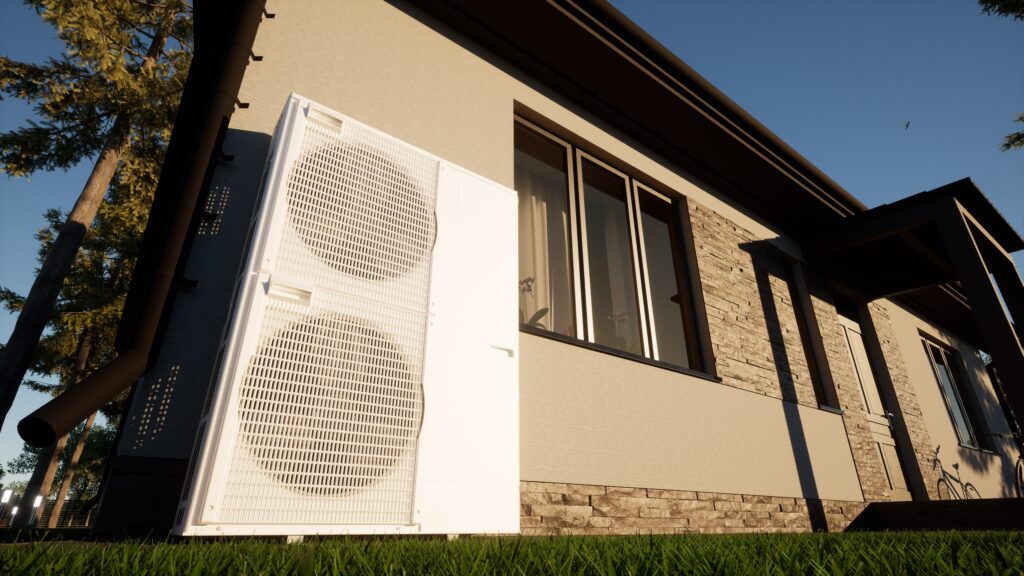
Regular servicing ensures that every moving part receives necessary lubrication and that the system operates within its manufacturer-specified tolerances. The professional cleaning and calibration drastically reduce mechanical friction and thermal stress, the two primary causes of mechanical fatigue. By ensuring the refrigerant charge is perfect and the coils are clean, the thermal load on the compressor, the single most expensive component in the entire system, is minimized. A well-cared-for compressor is the key to achieving the maximum lifespan of the unit.
Furthermore, almost all manufacturer warranties on heat pumps require documented annual maintenance by a qualified professional. This is the fine print that many homeowners overlook until it is too late. If a major component fails—such as the reversing valve or the compressor—and the homeowner cannot provide service receipts proving that the unit was maintained, the manufacturer is within its rights to deny the warranty claim. The annual service documentation effectively serves as an insurance policy, protecting the homeowner from thousands of dollars in parts costs for the duration of the warranty. Therefore, scheduling two maintenance visits a year is not merely a good idea for efficiency; it is an essential financial mandate that safeguards the system’s longevity and warranty protection.
For any homeowner in Ten Mile relying on the efficient, all-in-one performance of a heat pump, the correct maintenance frequency is a clear and unequivocal answer: twice a year. This biannual service is not an optional extra; it is a fundamental requirement dictated by the system’s constant, year-round operation. Scheduling a service in the spring ensures the unit is clean and prepared for efficient cooling throughout the humid summer, while a fall service optimizes the system for safe, cost-effective heating during the winter. By adhering to this maintenance schedule, you ensure superior comfort, drastically reduce your monthly energy bills, protect the expensive compressor, and safeguard your valuable manufacturer’s warranty. Don’t wait until your heat pump struggles or fails. Taking proactive steps now to care for your heat pump is the simplest, most financially responsible decision you can make to protect your home and comfort for years to come.