
How to Prep Your AC for the First Heat Wave
The first heat wave of the season arrives faster than most homeowners expect in Tennessee. One week you are enjoying mild spring temperatures, and the next your thermostat is climbing past 90 degrees. An air conditioner that sat unused all winter can struggle under sudden demand, leading to weak airflow, warm air, or a complete shutdown. Taking time to prep your AC for the first heat wave protects your system from early-season breakdowns. It also lowers your energy bills during the hottest months. Proper preparation includes cleaning, inspecting, and testing every major component. A little effort in spring pays off with reliable cooling all summer long.
Why You Should Prep Your AC for the First Heat Wave
Prepping your AC before the first heat wave gives your system a strong start to the cooling season. Air conditioners sit dormant for months during fall and winter, which allows dust, debris, and moisture to collect inside the unit. When the system suddenly runs for hours at a time, these buildups can cause parts to overheat or fail. A proactive tune-up catches small issues before they turn into major repairs. It also restores efficiency that naturally drops over time. Homeowners who skip spring prep often face emergency service calls on the hottest days of the year. Scheduling maintenance early keeps you ahead of the rush.
Prep Your AC for the First Heat Wave With a Clean Outdoor Unit
The outdoor condenser unit handles the heavy lifting of removing heat from your home. Over the winter, leaves, grass clippings, pollen, and dirt pile up around and inside the unit. This debris blocks airflow across the condenser coils, which forces the system to work harder to release heat. Clear a two-foot zone around the unit by trimming back shrubs, bushes, and tall grass. Remove any leaves or twigs that have fallen into the top grille. Good airflow around the condenser is the foundation of efficient cooling.
Rinsing the condenser coils is the next step in prepping your AC for the first heat wave. Turn off power to the unit at the disconnect box before you begin. Use a garden hose with gentle pressure to spray the fins from the inside out, which pushes debris away from the coil. Avoid pressure washers because the high force bends the delicate aluminum fins and reduces heat transfer. If the coils look greasy or heavily soiled, a professional coil cleaning is the safer option. Clean coils transfer heat more effectively and cut down on electricity use.
Inspect the condenser cabinet for signs of damage after cleaning. Look for bent fins, dented panels, rust spots, or missing screws. Check that the unit sits level on its pad, as shifting soil during winter can tilt the base and stress the refrigerant lines. Listen for unusual rattles when you restore power and run the system. Any grinding, buzzing, or clicking sound points to a part that needs attention before the heat hits. Catching these issues early prevents costly failures during peak demand. Need a thorough tune-up? Click here for our air conditioning maintenance service.

Prep Your AC for the First Heat Wave by Changing the Air Filter
A fresh air filter is one of the easiest ways to prep your AC for the first heat wave. Filters trap dust, pet dander, pollen, and other particles before they reach the blower motor and evaporator coil. A clogged filter restricts airflow, which drops cooling performance and raises energy costs. It also forces the blower motor to work harder, shortening its lifespan. Check the filter in your return vent or air handler and replace it if it looks gray or caked with debris. Most homes need a new filter every 30 to 90 days during heavy use.
Choosing the right filter matters as much as changing it regularly. Filters carry a MERV rating that measures how well they capture particles, with higher numbers trapping smaller debris. A rating between 8 and 13 works well for most residential systems. Going higher can choke airflow in systems not designed for dense filters, which damages the blower and coil. Match the filter size exactly to the slot dimensions printed on the frame of your old filter. A properly sized filter seals tight and stops air from bypassing it.
Set a reminder to check your filter every month once cooling season begins. Homes with pets, multiple occupants, or nearby construction need more frequent changes. A dirty filter also raises humidity inside your home because restricted airflow reduces the evaporator coil’s ability to pull moisture from the air. Keeping a spare filter on hand means you never have to run the system dirty. Write the installation date on the edge of the filter with a marker for easy tracking. Small habits like this add up to big savings over the summer.
Prep Your AC for the First Heat Wave by Testing the Thermostat
The thermostat controls every cooling cycle, so testing it is a key step to prep your AC for the first heat wave. Switch the mode from heat to cool and lower the set temperature five degrees below the current room reading. The system should start within a minute or two, and cold air should flow from the vents shortly after. If the unit does not respond, check the batteries first on battery-powered models. Dead batteries are one of the most common reasons a thermostat fails to signal the air conditioner.
Calibration problems cause a thermostat to misread room temperature by several degrees. Place a separate thermometer near the thermostat and compare readings after an hour. A gap larger than two degrees means the thermostat needs adjustment or replacement. Older mercury or mechanical thermostats drift more than digital models. Upgrading to a programmable or smart thermostat gives tighter temperature control and automatic scheduling. These features cut cooling costs by reducing runtime when no one is home.
Check the wiring connections behind the thermostat if the unit still does not respond. Turn off power at the breaker before removing the cover, and look for loose, corroded, or disconnected wires. Tighten any loose terminals with a small screwdriver. Wires that look burned or brittle need professional replacement because they can signal a larger control board issue. A thermostat that short cycles the AC also wears out the compressor faster. Addressing these problems now keeps your cooling reliable when temperatures spike.
What a Professional AC Tune-Up Adds to First Heat Wave Prep
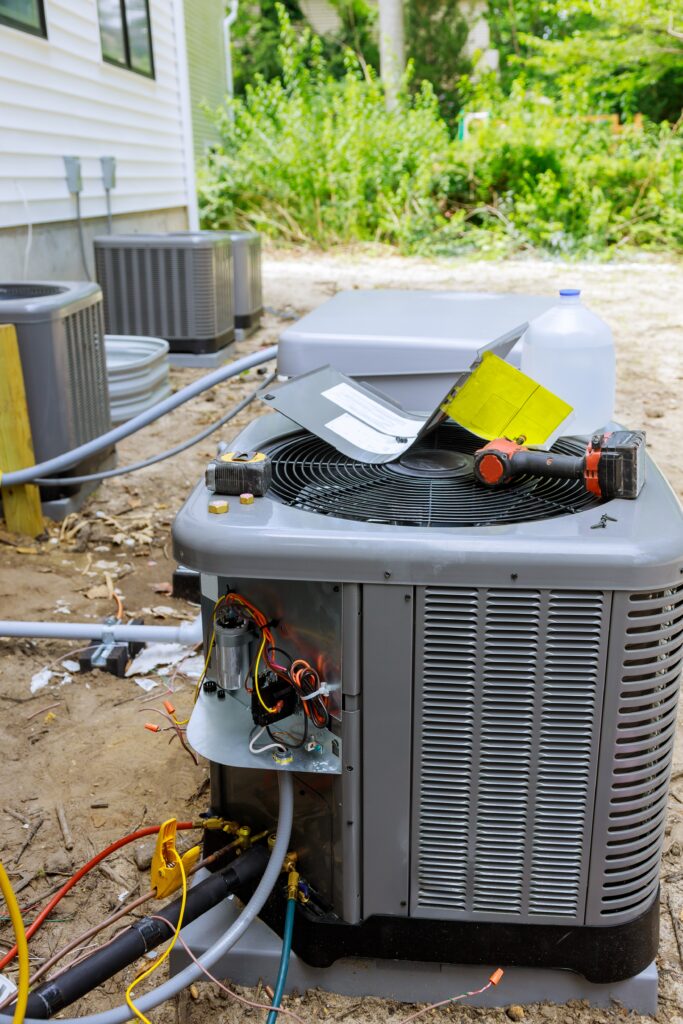
A professional tune-up goes far beyond what homeowners can do on their own to prep an AC for the first heat wave. Licensed HVAC technicians use specialized tools to measure refrigerant pressure, electrical draw, and airflow across components. They also inspect parts hidden inside the cabinet that require disassembly to reach safely. A full spring tune-up typically includes a 20-point inspection that covers the compressor, capacitor, contactor, and blower assembly. Technicians clean the evaporator coil and condensate drain, which homeowners rarely access. This deep service restores the unit close to factory performance.
Professional AC Tune-Up Benefits for First Heat Wave Prep
Refrigerant charge is one of the most important checks during a professional tune-up. A system low on refrigerant cools poorly, runs longer, and eventually damages the compressor. Technicians use gauges to confirm the charge matches the manufacturer’s specification for your specific model. Adding refrigerant without finding the leak only delays the problem, so a careful leak search comes first. Common leak points include the coil, valve cores, and brazed joints on the copper lines. Repairing leaks and recharging the system restores full cooling capacity.
Electrical inspection is another major benefit of a professional tune-up before the first heat wave. Capacitors store and release energy to start the compressor and fan motors, and they weaken with age. A weak capacitor makes the compressor struggle to start, which draws excess current and trips breakers. Technicians measure capacitance with a meter and replace any unit reading below the rated value. Contactors also wear down from thousands of cycles, developing pitted or burned contacts. Replacing worn electrical parts before peak season prevents sudden shutdowns.
Airflow testing rounds out a complete spring tune-up. Technicians measure static pressure in the ductwork to confirm the blower moves the right volume of air across the coil. Low airflow freezes the evaporator coil, while high airflow reduces humidity removal. They also check the condensate drain line for clogs that cause water damage and system shutoffs. A flushed drain line and properly set blower speed keep the system running smoothly. Want to schedule service? Click here for our air conditioning maintenance service.
Signs You Need Repair Instead of Just First Heat Wave Prep
Some AC problems go beyond routine prep and require immediate repair before the first heat wave arrives. Warm air blowing from the vents during a cooling cycle points to low refrigerant, a failed compressor, or frozen coils. Ice buildup on the copper lines or outdoor unit confirms an airflow or refrigerant issue that will not fix itself. Shut the system off and call a technician before the ice melts and floods the drain pan. Running a frozen system damages the compressor, which is the most expensive part to replace.
Unusual sounds during startup or operation also signal repair needs. Grinding noises suggest worn compressor bearings or a failing fan motor. Clicking or buzzing at the outdoor unit often comes from a bad contactor or capacitor. Rattling inside the indoor unit points to loose panels or debris in the blower wheel. None of these sounds resolve on their own, and running the system anyway speeds up the damage. A quick diagnostic visit identifies the failing part and prevents a full breakdown.
Weak airflow and uneven cooling between rooms are less obvious but equally important warning signs. These symptoms come from duct leaks, a dirty evaporator coil, or a failing blower motor. Higher than normal electric bills with no change in usage habits also indicate reduced efficiency. An AC that short cycles, turning on and off every few minutes, stresses every component and rarely reaches the set temperature. Address these issues now rather than during a 95-degree afternoon. Click here for our air conditioning repair service to schedule a diagnostic before the heat hits.
Prep Your AC for the First Heat Wave With Duct and Vent Checks
Ductwork delivers the cooled air from your AC to every room, so leaky or dirty ducts waste cooling capacity. Walk through your home and remove any furniture, rugs, or curtains blocking supply and return vents. Blocked vents raise static pressure and force the blower to work harder. Open every supply register fully, even in rooms you rarely use, to balance pressure across the system. Closing too many vents creates back pressure that damages the blower motor over time.
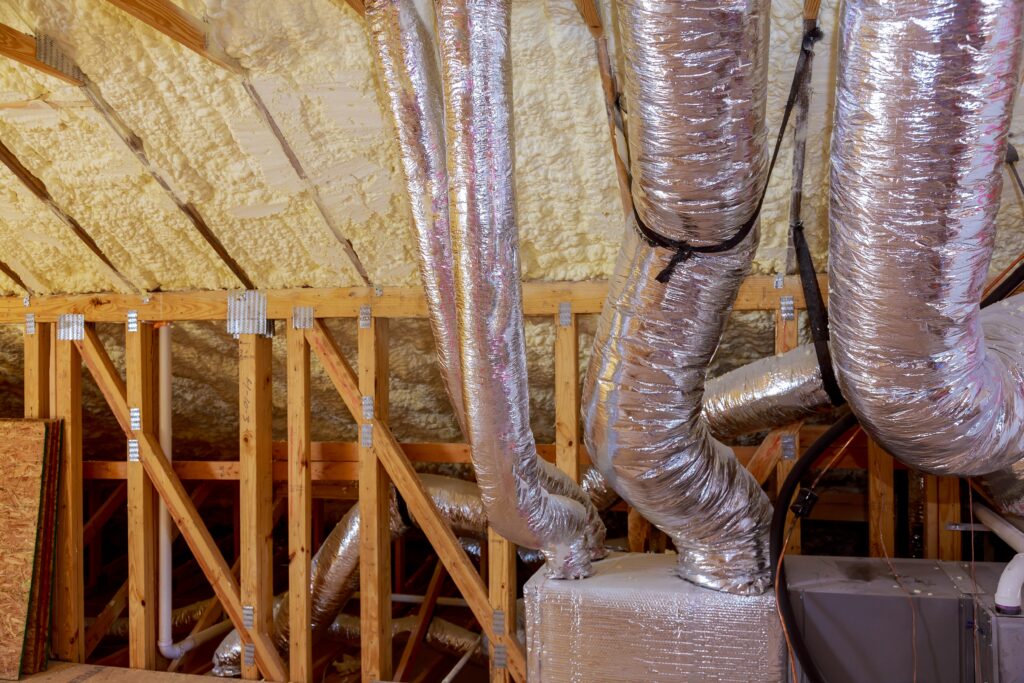
Duct leaks in attics, crawl spaces, and basements can dump 20 to 30 percent of your cooling into unconditioned areas. Look for disconnected joints, torn flex duct, or gaps at register boots. Mastic sealant or foil-backed tape seals small leaks, though large separations need professional repair. Insulation around metal ducts in hot attics is equally important because uninsulated ducts absorb heat. A well-sealed duct system cuts cooling costs and improves comfort in every room.
Dirty ducts also reduce indoor air quality and airflow. Dust, pet dander, and pollen build up on duct walls and get pushed into living spaces every time the system runs. A professional duct cleaning removes years of accumulated debris and restores full airflow. Signs you need cleaning include visible dust at registers, musty odors when the AC runs, or worsening allergies. Pair duct cleaning with filter changes for the cleanest air all summer. Click here for our air duct cleaning service to breathe easier this season.
Why You Need Professional Help to Prep Your AC for the First Heat Wave
Prepping your AC for the first heat wave involves tasks that range from simple to technical. Homeowners can handle basic cleaning, filter changes, and thermostat tests on their own. Deeper work such as refrigerant checks, electrical testing, and coil cleaning requires training, tools, and licensing. A professional tune-up catches problems early and extends the lifespan of your equipment. Skipping annual service often voids manufacturer warranties on newer systems. Partnering with a trusted local HVAC company gives you peace of mind and reliable cooling all summer.
Professional AC Prep Saves Money on the First Heat Wave
Professional AC prep lowers your energy bills by restoring the system to peak efficiency. A dirty or poorly tuned unit can use 15 to 25 percent more electricity than a properly maintained one. Clean coils, correct refrigerant levels, and tight electrical connections all reduce runtime and power draw. The savings often cover the cost of the tune-up within the first few months of summer. Lower runtime also means less wear on the compressor, blower, and fan motors.
Avoiding emergency repairs is another major way professional prep saves money. Service calls during a heat wave cost more because of overtime rates and high demand. Replacement parts may be on backorder during peak season, leaving you without cooling for days. A spring tune-up identifies failing parts before they quit, so repairs happen on your schedule. Proactive care is always cheaper than reactive repair.
Extending equipment lifespan is the long-term financial benefit of professional AC prep. A well-maintained system lasts 15 to 20 years, while a neglected one may fail in 10 or less. Replacing an air conditioner costs thousands of dollars, so every extra year matters. Annual tune-ups also keep manufacturer warranties valid on covered parts. Investing a small amount each spring protects a much larger investment in your home.
Professional AC Prep Keeps Your Family Safe During the First Heat Wave
A reliable air conditioner is more than a comfort item during a Tennessee heat wave. Extreme heat causes serious health problems for young children, older adults, and anyone with medical conditions. Indoor temperatures above 85 degrees raise the risk of heat exhaustion and heat stroke. Professional AC prep confirms that every part is ready to handle extended runtime without failure. This reliability matters most during the hottest and most dangerous days of summer.
Electrical safety is another reason to bring in a licensed technician. AC systems draw high current through capacitors, contactors, and compressor windings. Worn or damaged components create fire and shock hazards that homeowners cannot safely inspect. Technicians carry meters to test voltage, amperage, and grounding on every major part. Correcting electrical issues during a tune-up prevents dangerous failures later.
Refrigerant handling also requires professional certification for safety and environmental reasons. Refrigerants displace oxygen in enclosed spaces and cause frostbite on contact with skin. Federal regulations require licensed technicians for any work involving refrigerant recovery, recharge, or leak repair. A certified technician handles these tasks safely and disposes of any recovered refrigerant properly. Your family stays safe and your system stays compliant with federal rules.
Why Choose Affordable AC & Service to Prep Your AC for the First Heat Wave
Affordable AC & Service has served Tennessee homeowners for more than 35 years with reliable HVAC care. Our technicians bring deep experience to every tune-up, repair, and installation. We know the climate challenges of Meigs County and the surrounding areas, from humid summers to sudden heat waves. Every spring tune-up includes a thorough inspection of all major components, cleaning, and performance testing. Our goal is to send you into summer with a system you can count on.
We back our work with a 5-year labor warranty on repairs and a 15-year labor warranty on new installations. Our 24/7 emergency HVAC service means help is always available when you need it most. Free estimates on all services and flexible financing options make quality HVAC care accessible to every homeowner. Our team treats your home with respect and explains every step of the service process. Transparency and honesty are the foundation of how we do business.
Call Affordable AC & Service today at (423) 800-2029 to schedule your spring AC prep before the first heat wave hits. You can also reach us at info@affordableacservice.com or stop by our office at 158 Hickory Ln, Ten Mile, TN 37880. Our team serves Tellico Village, Lenoir City, Loudon, Sweetwater, Kingston, and many other communities across East Tennessee. Book early to secure a convenient appointment slot during our busy spring season. Trust the local experts who have kept Tennessee homes cool for over three decades.