
How Pets Impact Your HVAC System
Pets bring a lot of comfort into a home, but they also change how your HVAC system performs every day. From shedding fur to increased indoor activity, animals introduce extra strain that most homeowners do not think about until something starts going wrong. In places like Ten Mile, TN, where HVAC systems already work hard through hot summers and colder winters, that added strain can show up faster than expected.
The connection between pets and HVAC performance is not complicated, but it is often overlooked. Hair, dander, and dirt from paws all move through your home’s air and eventually into your system. Over time, that buildup affects airflow, efficiency, and indoor air quality. Understanding these impacts helps you stay ahead of issues and keep your system running the way it should.
How Pet Hair and Dander Affect Airflow
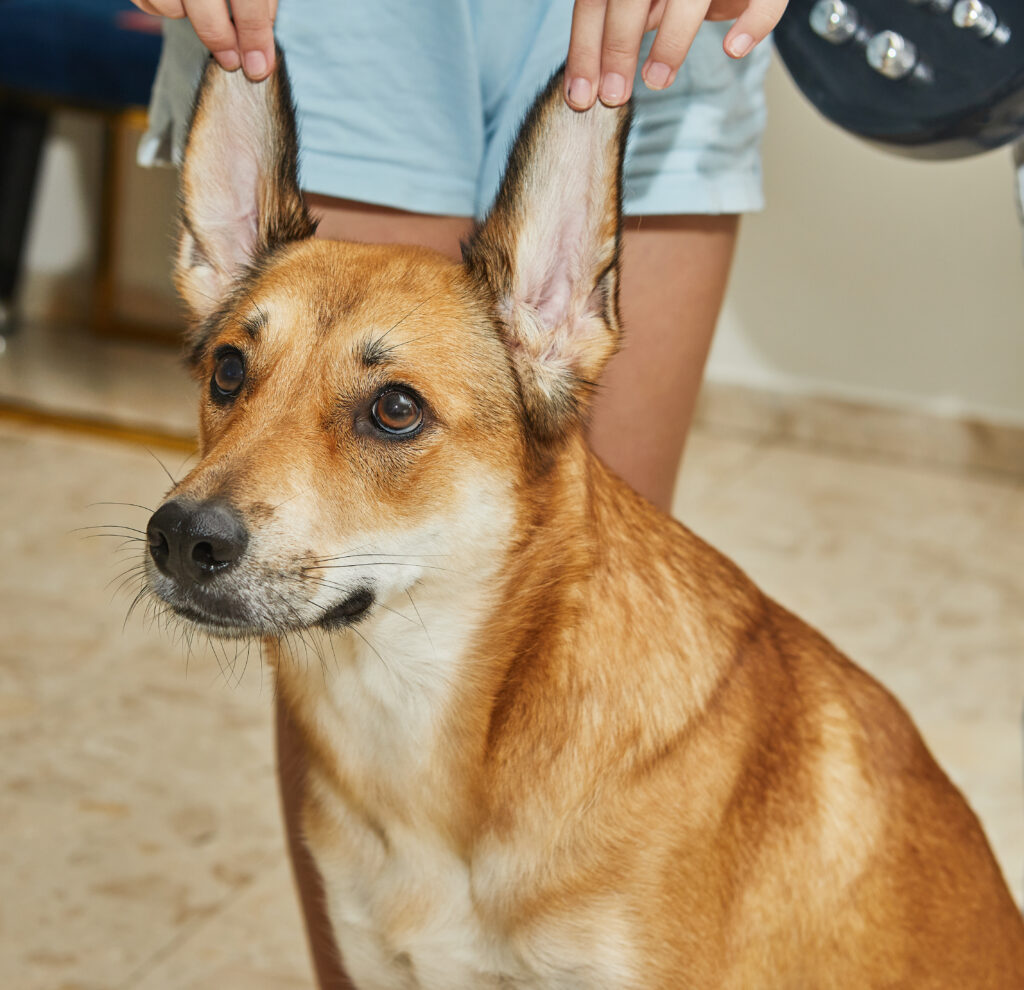
Pet hair does not just sit on the floor or furniture. It becomes airborne and gets pulled into your HVAC system through return vents. Once inside, it moves through ductwork and collects on filters, coils, and internal components. This buildup restricts airflow and makes it harder for your system to circulate air evenly throughout your home.
Dander creates an even bigger problem because it is much smaller than hair. It can pass through lower quality filters and continue circulating in the air. As it builds up inside the system, it reduces efficiency and forces your HVAC equipment to work harder than necessary.
When airflow is restricted, your system runs longer cycles to reach the desired temperature. That leads to higher energy use and more wear on key components. Over time, this can shorten the lifespan of your HVAC system if it is not addressed properly.
The Impact on Air Filters and System Efficiency
Air filters are the first line of defense against pet-related debris, but they can clog much faster in homes with animals. A filter that might last one to three months in a typical home can become restricted much sooner when pets are present. When that happens, airflow drops and system performance suffers.
A clogged filter forces your HVAC system to pull harder to move air through the system. This added strain increases energy consumption and can cause overheating in certain components. It also reduces your system’s ability to properly heat or cool your home.
Regularly changing filters becomes more important in homes with pets. It is not just about maintaining air quality. It is about protecting the system itself and avoiding unnecessary repairs caused by restricted airflow and increased strain.
How Pets Affect Indoor Air Quality
Indoor air quality is directly impacted by the presence of pets. Hair, dander, and even outdoor allergens carried in on paws all contribute to the air circulating in your home. Without proper filtration and maintenance, these particles continue to move through your HVAC system and back into your living space.
This can be especially noticeable for people with allergies or respiratory sensitivities. Poor air quality can lead to discomfort, irritation, and ongoing issues that do not seem to go away. The HVAC system plays a major role in either improving or worsening these conditions.
Maintaining clean filters, keeping ducts in good condition, and ensuring proper airflow all contribute to better indoor air quality. When your system is clean and functioning properly, it can help reduce the impact pets have on the air inside your home.
Increased Wear and Tear on HVAC Components
Pets do not just affect airflow and air quality. They also contribute to increased wear and tear on your HVAC system. When debris builds up inside the system, components like the blower motor and evaporator coil have to work harder to do their job.
Over time, this added workload can lead to more frequent breakdowns and reduced system lifespan. Parts that would normally last for years may wear out faster due to the extra strain caused by restricted airflow and buildup.

Outdoor units can also be affected. Pet hair and debris can collect around the unit, especially if it is located in an area where pets spend time. Keeping the outdoor unit clear is just as important as maintaining the indoor components.
The Role of Ductwork in Pet-Friendly Homes
Ductwork plays a major role in how pet-related debris moves through your home. Over time, hair and dust can settle inside ducts and build up along the walls of the system. This reduces efficiency and can contribute to uneven airflow throughout the home.
Dirty ducts can also reintroduce debris into the air every time the system runs. Even if you clean your home regularly, buildup inside the ductwork can continue to affect air quality and system performance.
Have poor air quality? Learn more about the importance of duct cleaning here.
Regular inspections and cleanings help keep ductwork functioning properly. In homes with multiple pets or heavy shedding, this becomes even more important to maintain consistent airflow and indoor comfort.
Simple Ways to Reduce the Impact of Pets on Your HVAC System
Managing the effects pets have on your HVAC system does not require major changes, but it does require consistency. Keeping up with regular maintenance is one of the most effective ways to protect your system.
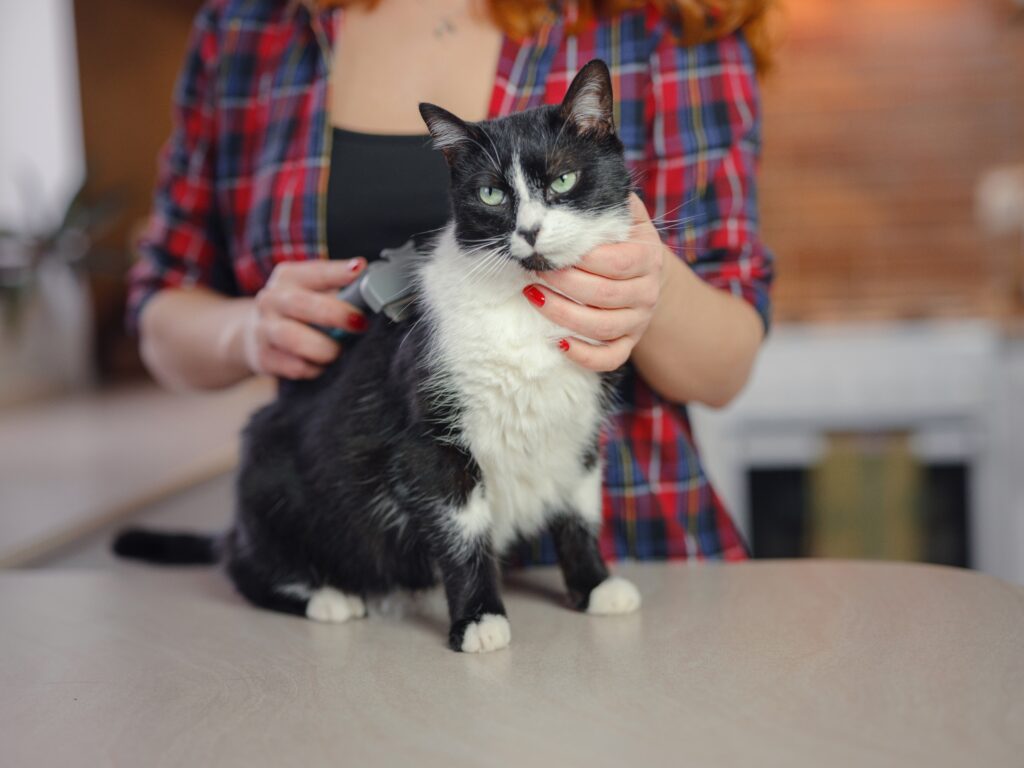
Grooming pets regularly helps reduce the amount of hair and dander that enters the air. Cleaning floors and furniture also limits how much debris gets pulled into the system through return vents.
Staying on top of filter changes and scheduling routine maintenance ensures your system can handle the added load. Small habits make a big difference in keeping your HVAC system efficient and reliable over time.
Pets are part of the family, but they do change how your HVAC system operates. From airflow restrictions to increased wear on components, the impact shows up in ways that can affect comfort, efficiency, and long-term performance.
The key is not to avoid these issues, but to stay ahead of them. With regular maintenance, proper filtration, and attention to airflow, your HVAC system can handle the added demand without major problems. Taking these steps helps protect your investment and keeps your home comfortable year-round.