
How Clean Ducts Help You Breathe Easier
The air we breathe inside our homes is often taken for granted. We focus on sealing windows and doors to maintain the perfect temperature, yet in doing so, we create a sealed environment where pollutants and contaminants can thrive. Modern science tells us that the air quality inside a home can be significantly worse than the air quality outdoors, a critical point for anyone suffering from allergies or respiratory issues. Your home’s heating and cooling system is the primary mechanism that manages this indoor environment. It functions as the home’s lungs, drawing in air, conditioning it, and delivering it to every room. The system of ducts that crisscross your attic, basement, and walls are the arteries of this respiratory network. If these arteries are clogged, coated, or contaminated, the entire system suffers, and so does the health of the occupants. For homeowners in Ten Mile and the surrounding humid Tennessee region, understanding the state of your ductwork is the first, most powerful step toward breathing easier and maintaining a truly healthy home environment.
The Hidden World Inside Your Home’s Air Ducts
The environment inside your home’s ductwork is often dark, dusty, and prone to moisture—conditions that create the perfect habitat for a range of contaminants. Over the years, the massive volume of air pulled through your system deposits layers of debris that become stuck to the inner walls of the ducts. This debris is far more complex than simple dust; it is a cocktail of microscopic particulate matter that acts as a continuous irritant every time the blower motor kicks on.

One of the most persistent components of this buildup is common household dust, mixed with human and pet dander. For families with dogs, cats, or other animals, pet dander is a pervasive, lightweight allergen that easily passes through lower-efficiency filters and lodges itself in the duct lining. Similarly, pollen, which is tracked into the home on clothing and shoes from the outdoors, becomes trapped in the ducts and recirculated constantly, frustrating efforts to manage seasonal allergies. These accumulated layers of dust mites, their feces, and other non-biological particles create a high concentration of allergens that are dispersed directly into the air you breathe at the floor and ceiling registers.
More concerning are the biological contaminants, particularly in a climate like Tennessee where humidity is a year-round issue. The cooling process of your air conditioner causes condensation to form on the evaporator coil, and some of that moisture inevitably travels into the ductwork. When this moisture combines with the layer of organic dust and debris coating the duct surfaces, it creates a perfect breeding ground for mold, mildew, and bacteria. Once mold takes hold, the system acts as a delivery vehicle, blowing microscopic mold spores into every room. This is particularly problematic in unconditioned spaces like attics or crawlspaces where the ductwork might be poorly sealed or subject to extreme temperature swings, allowing condensation to form inside the system itself.
Finally, air ducts often harbor foreign materials that should never be present, including remnants from the home’s construction—drywall dust, sawdust, and insulation fibers. In older homes, the ductwork may also be compromised by small cracks or holes, allowing dirt, dust, and even droppings from pests like insects or rodents to enter the airflow directly. Once these contaminants have taken hold, every moment the heating or cooling system is running, it is drawing air across these surfaces and distributing the particulate matter into your family’s living space.
The Ductwork’s Direct Impact on Respiratory Health
The constant recirculation of pollutants from dirty ducts creates a persistent source of respiratory irritation that can be particularly hard to manage for those with underlying health conditions. For people who suffer from asthma or chronic allergies, minimizing the concentration of airborne particulate matter is the key to managing their symptoms. When dust, pollen, and dander are repeatedly blown out of the registers, it maintains a high allergen load in the home, triggering persistent congestion, sneezing, coughing, and even severe asthmatic attacks. The sheer volume of this microscopic debris is overwhelming to sensitive respiratory systems.
Need an air duct cleaning? Click here for our air duct cleaning service.
Children and the elderly are often the most vulnerable to poor indoor air quality. A child’s respiratory system is still developing, making them more susceptible to the long-term effects of exposure to airborne irritants. Older adults, who may already have compromised lung function, can find their conditions significantly aggravated by persistent exposure to biological contaminants like mold spores and bacteria that are flourishing inside the ductwork. Ensuring clean ducts is a protective measure that benefits the most sensitive members of the household, helping them achieve better sleep and a higher quality of life.
Beyond the severe conditions like asthma, dirty ductwork can contribute to a general sense of malaise and discomfort. Persistent exposure to dust and mold can cause chronic, low-level irritation, leading to dry eyes, a stuffy nose, and lingering, unexplained headaches. Even the odors associated with dirty ducts—a musty, stale smell caused by mold or moisture issues—can be irritating and indicate that the air quality is subpar. By removing the source of these contaminants, professional duct cleaning is not just addressing the ductwork; it is fundamentally improving the physical atmosphere of the entire home.
The Efficiency Cost of Dirty Airflow
While the primary focus of duct cleaning is often health, the financial and mechanical consequences of dirty ductwork are equally compelling. Duct cleaning is not just a health expense; it is a measure of preventative maintenance that contributes directly to the efficiency and longevity of your expensive HVAC system. The system is designed to move air smoothly and unimpeded, and any obstruction forces the machinery to work harder and longer.
The debris coating the inside of the ducts creates resistance to airflow. This phenomenon, known as increased static pressure, forces the large blower motor inside your air handler to strain constantly to pull air through the system and push it out to the rooms. When a motor works harder than intended, it draws significantly more electricity, consuming extra energy and driving up your utility bills month after month. The increase in operational stress also leads to faster wear and tear on the motor, belts, and bearings, significantly shortening the system’s operational lifespan and increasing the likelihood of an expensive mechanical failure.
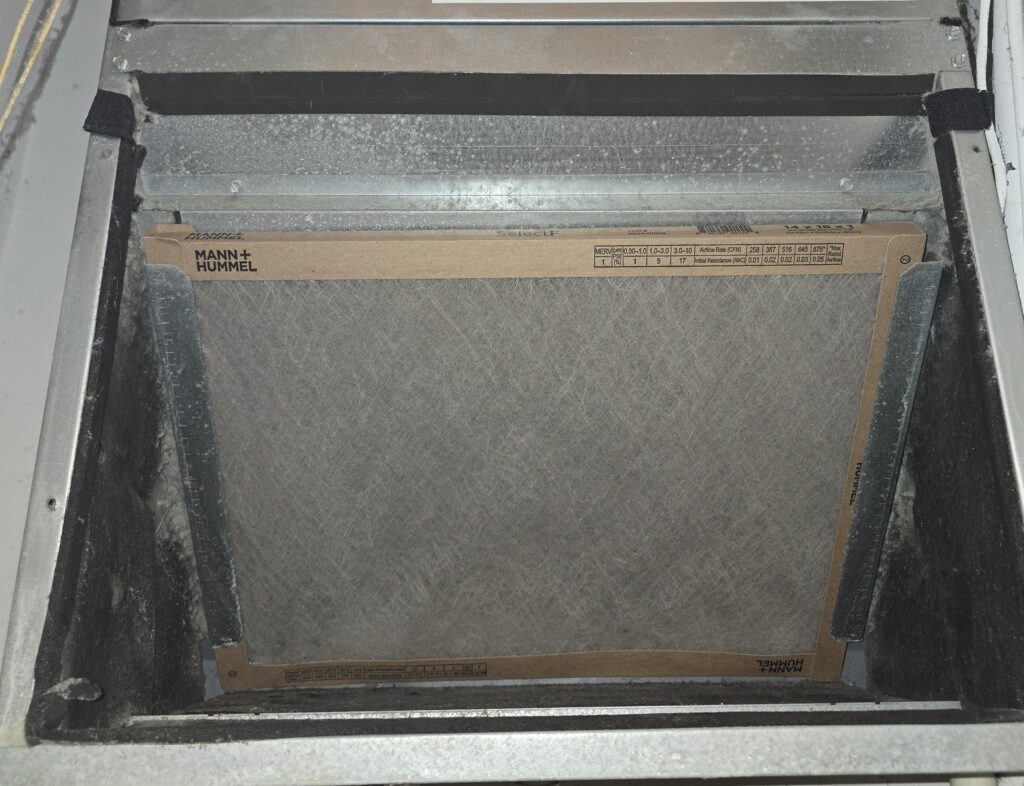
Furthermore, dirt and dust that are allowed to travel beyond a low-efficiency filter accumulate directly on the evaporator coil of your air conditioner. This coil is essential for the cooling process; it absorbs heat from the air. When the coil is covered in a layer of grime, that layer acts as insulation, preventing effective heat transfer. The AC system then has to run much longer to remove the heat and achieve the temperature set point, which is pure energy waste. In humid climates like Ten Mile, a dirty coil also encourages greater mold growth and is a common factor in coil freezing, a condition that shuts down cooling completely and requires emergency service.
Addressing dirty ductwork helps restore the original, intended airflow to the system. This allows the blower to operate efficiently, reduces the electrical load on the motor, and ensures that the air is properly interacting with the coils. This restoration of efficiency is a tangible, measurable way that clean ducts contribute to lower operating costs and protects your HVAC system from premature and expensive damage.
When is Duct Cleaning Necessary for Ten Mile Homeowners?
Duct cleaning is a specialized service, and while every system can benefit from periodic maintenance, it is not necessarily an annual requirement. However, certain conditions or events should immediately signal to a homeowner that professional cleaning is essential to restore air quality and safety. Understanding these triggers can save both your health and your system.
One of the most common reasons cleaning becomes mandatory is immediately following a major home renovation. Projects involving drywall, sanding, or flooring generate an immense amount of fine particulate matter that is easily sucked into the return ducts and spread throughout the system. These tiny particles, particularly drywall dust, are highly abrasive to HVAC components and can severely compromise air quality. If you have completed a significant remodel, a professional cleaning is a crucial final step before running the system extensively.
Evidence of biological or pest contamination is another absolute trigger. If a home has been vacant for a period, or if there have been any roof leaks, foundation moisture issues, or flooding, there is a high probability of mold or mildew growth inside the ducts. Any visual confirmation of mold near registers or a pervasive musty odor indicates a problem that must be professionally addressed. Similarly, if you discover signs of pest infestation, such as insect nests or rodent droppings in or around your vents, the system must be cleaned to remove the biological waste and the health hazards they pose. For anyone moving into an older home in the Ten Mile area where the system’s maintenance and contamination history is completely unknown, a full duct cleaning is a highly recommended initial investment.
Finally, if you notice that dust reappears within days of cleaning surfaces, or if you can see debris actively blowing out of your supply registers when the fan is running, your ductwork has accumulated a significant amount of contaminant load. In these cases, the debris is simply too great for the filter alone to manage, and a deep cleaning is required to reset the air quality baseline.
What Professional Duct Cleaning Entails (The Value)
Professional duct cleaning goes far beyond a simple vacuuming of the vents. It is a multi-step, technical process that requires specialized equipment to ensure that contaminants are dislodged from the duct surfaces and safely removed from the home without causing cross-contamination. This complexity is why it is not a do-it-yourself task but rather a job for trained HVAC air quality experts.
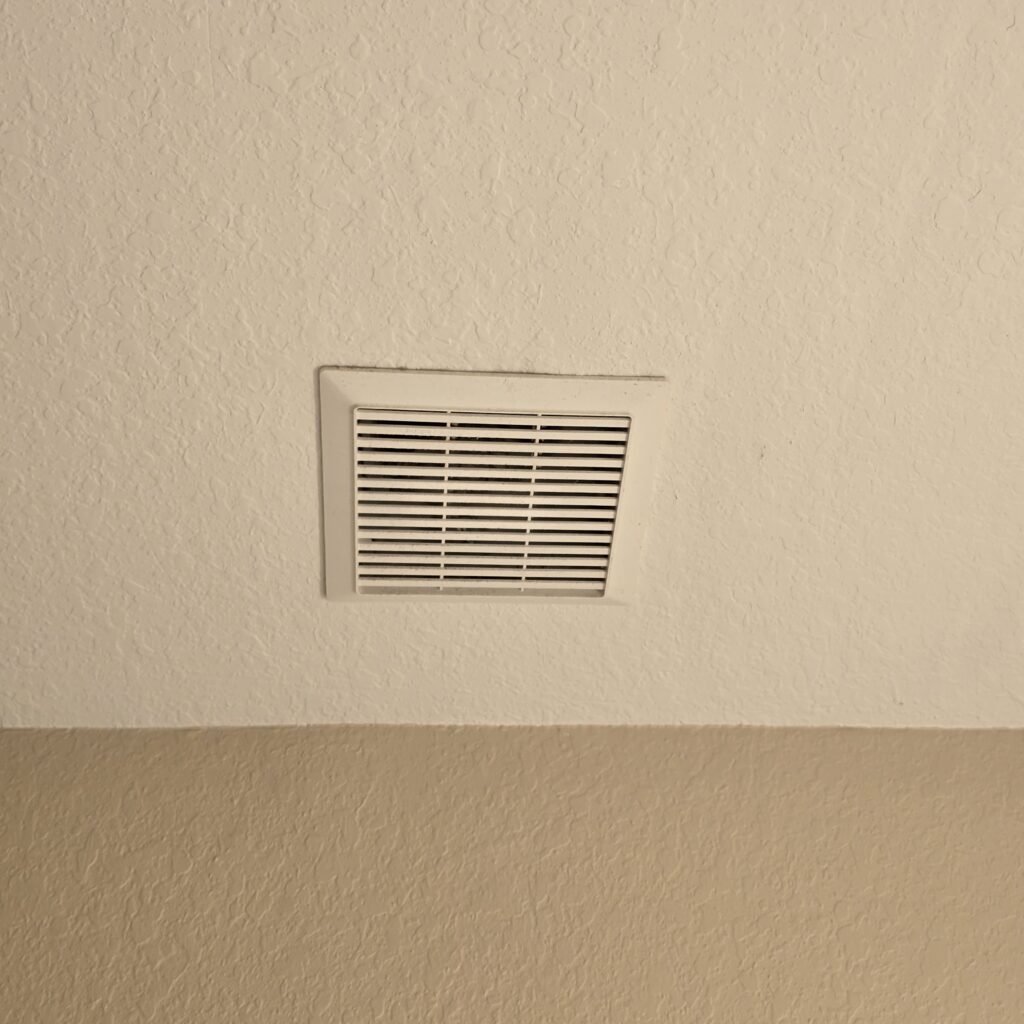
The process begins by establishing negative pressure within the duct system. High-powered vacuum equipment is connected to the ductwork near the air handler, and all supply and return registers in the home are sealed. When the vacuum is switched on, it creates a powerful negative air pressure within the entire system. This ensures that when the technician works on individual ducts, the dislodged debris is immediately sucked into the vacuum containment unit rather than released back into the house.
The next critical step is agitation. Dust, mold, and debris stick to the duct walls and cannot simply be vacuumed away. Technicians use specialized tools, such as rotating brushes, pneumatic whips, and air nozzles, to physically scrub and agitate the contaminants loose from the interior surfaces of the ducts. This thorough agitation is performed sequentially on every single duct run—from the main trunk lines to the smaller branch lines leading to each room. This ensures all sticky, embedded, and biological contaminants are separated from the metal or fiberglass duct material before they are pulled into the containment unit.
Once the physical contaminants are removed, some cleaning services may offer a post-cleaning application of an EPA-registered chemical sanitizer. This step is used to treat the interior surfaces to discourage future mold or bacterial growth. This is particularly valuable in humid areas or in systems with a history of moisture intrusion. A reliable service will always return the ductwork to its original condition, leaving the system clean, sealed, and ready to provide fresh, filtered air throughout the home.
Complementing Clean Ducts with a Whole-System Strategy
Clean ducts are the result of a responsible air quality strategy, not just the starting point. To truly maximize the respiratory health benefits and the investment in duct cleaning, the homeowner must view the ducts as one component of a larger, interconnected HVAC system that requires comprehensive care. Without addressing the other sources of contamination and inefficient operation, the ducts will quickly become dirty again.
The most vital component to integrate is proper air filtration. Once the ducts are clean, the system must be protected by the highest MERV-rated filter that the specific HVAC unit can handle without restricting airflow. This filter acts as the continuous barrier, stopping particles from entering the clean ductwork in the first place. Consulting with a professional can help determine the ideal filter, balancing the need for superior air cleaning with the necessity of maintaining proper airflow to protect the blower motor and coils.
Want to know more before HVAC replacement? Click here for more information.
Equally important is the professional maintenance of the internal air handling unit. The evaporator coil and the blower wheel, which are the main sources of moisture and debris buildup inside the system, must be cleaned annually. If a dirty coil—often coated in mold and grime—is left untouched, it will simply continue to slough off contaminants that quickly re-pollute the freshly cleaned ductwork. A complete HVAC maintenance visit ensures the entire system, from the coil to the blower, is starting the season as clean as the newly serviced ducts.
By combining professional duct cleaning with annual coil and blower maintenance, and diligently changing high-quality air filters, homeowners in the Ten Mile area establish a powerful, long-term strategy for indoor air quality. This comprehensive approach is the only way to reliably protect your family’s respiratory health, reduce allergens, and ensure the energy efficiency of your home for years to come.
The path to a healthier home environment begins with the air you breathe. For too long, the ductwork has been the silent, forgotten component of the HVAC system, accumulating years of dust, pollen, pet dander, and biological growth. However, understanding that a dirty duct system constantly recirculates these irritants is the first step toward correcting the problem. Professional duct cleaning is a fundamental service that removes these contaminants, offering a substantial reduction in airborne allergens and contributing directly to the comfort and respiratory health of everyone in the home. This service helps your furnace and air conditioner run more efficiently, saves you money on utility bills, and prevents costly breakdowns by restoring proper airflow. Don’t let your home’s ductwork become a hidden liability. Take proactive steps to ensure your air is as clean as possible. For professional air duct cleaning and comprehensive HVAC maintenance in the Ten Mile area, the experts at Affordable AC & Service are ready to help you and your family breathe easier.