
HVAC Tips for First-Time Homeowners
Buying your first home in Ten Mile is a massive milestone, and once the excitement of the closing day settles, you quickly realize that the responsibility of maintaining that investment has officially shifted to you. One of the most critical, yet often misunderstood, systems in your new home is the HVAC (Heating, Ventilation, and Air Conditioning) unit. This complex network of machinery is the engine of your daily comfort, keeping you cool during the humid Tennessee summers and warm through the damp winters. As a new homeowner, learning the basics of your heating and cooling system now can save you from a major financial headache down the road.
Understanding your HVAC system doesn’t require a degree in mechanical engineering, but it does require a proactive mindset. Unlike a rental where you could simply call a landlord when the air stopped blowing, you are now the primary caretaker of a system that can be quite expensive to replace if neglected. Protecting this investment starts with a few simple habits and a relationship with a local professional you can trust. By mastering a few key areas of HVAC management, you can ensure your system lives a long, efficient life while keeping your monthly utility bills in check.
Identifying Your System Type and History
The first step for any first-time homeowner is to physically locate and identify exactly what kind of heating and cooling system you have inherited. In the Ten Mile area, most homes utilize either a split-system central air conditioner paired with a gas or electric furnace, or an all-in-one heat pump. A heat pump looks nearly identical to an air conditioner but is capable of both heating and cooling your home. Knowing which one you have is vital because it determines your maintenance needs and what kind of energy bills you should expect throughout the year.

Once you know the type of system, your next goal should be to find the manufacturing date and any available service records. You can usually find the age of the unit by looking at the serial number on the nameplate of the outdoor cabinet. If the previous owners didn’t leave a folder of receipts, it is a great idea to check for a service sticker on the indoor air handler or furnace. This sticker often lists the name of the company that last worked on the unit and the date of the service. If the unit is more than ten years old, you should be aware that it is entering the later stages of its life, and planning for an eventual replacement should become part of your long-term household budget.
The Absolute Necessity of Filter Changes
If there is only one piece of HVAC advice you take as a new homeowner, let it be this: change your air filters regularly. It is the single most important maintenance task you can perform, and it is also the easiest. The air filter acts as the gatekeeper for your system, trapping dust, pet dander, and pollen before they can enter the sensitive internal components. When a filter becomes clogged, it forces the blower motor to work much harder to pull air through the system, which leads to higher electricity bills and premature mechanical failure.
Need furnace maintenance? Click here for our furnace maintenance service.
For many homes in Ten Mile, checking the filter once a month is the best practice. Depending on whether you have pets or if you live in a particularly dusty area, you may need to replace it every thirty to sixty days. A common mistake first-time homeowners make is buying the most expensive, restrictive filter available. While high-efficiency filters trap more particles, they can also restrict airflow so much that they strain the system. It is usually best to stick with a mid-range pleated filter that balances air cleaning with proper airflow, ensuring your system doesn’t “choke” while trying to keep you comfortable.
Maintaining the Outdoor Unit Environment
Your outdoor condenser or heat pump unit is the part of the system that works to reject heat during the summer. For it to do this job efficiently, it needs plenty of room to breathe. Many new homeowners make the mistake of trying to hide their outdoor unit with heavy landscaping, fences, or tall shrubs. While this might improve your home’s curb appeal, it can severely cut the lifespan of your HVAC system. If the unit is crowded, it will recirculate its own hot exhaust air, causing it to overheat and eventually fail.

You should maintain at least two feet of clear space around the entire unit on all sides. This means regularly trimming back any bushes, vines, or grass that might be creeping toward the cabinet. During the autumn, be sure to clear away any fallen leaves or twigs that have piled up against the base. You can also gently hose down the exterior fins of the unit with a garden hose to remove built-up dirt and pollen, but be careful not to use a pressure washer, as the high pressure can bend the delicate aluminum fins and ruin the airflow.
Thermostat Habits and Smart Upgrades
As a first-time homeowner, you are now responsible for the monthly utility bills, and your thermostat is your primary tool for controlling those costs. A common misconception is that cranking the thermostat way down in the summer will cool the house faster. In reality, your system cools at the same rate regardless of the setting; it simply runs longer to reach that lower goal. The most efficient way to run your home is to find a comfortable temperature and leave it there. Constant, drastic changes to the thermostat put unnecessary stress on the compressor and fan.
Want to know the importance of thermostat calibration? Click here for more information.
If your home still has an old-fashioned manual or non-programmable thermostat, upgrading to a smart version is one of the best investments you can make. Smart thermostats allow you to set schedules so the system isn’t working as hard when you are at work or asleep. They can also send you reminders when it is time to change your filter or alert you if the system is taking too long to reach the desired temperature. By managing your climate more intelligently, you can often save up to ten percent on your annual heating and cooling costs, which adds up quickly in the Tennessee climate.
Understanding the Value of Professional Tune-Ups
While there are several tasks you can handle on your own, your HVAC system is a complex piece of machinery that involves high-voltage electricity and pressurized refrigerant. There is no substitute for a professional preventative maintenance visit at least once a year. Think of it like an oil change for your home. A technician can identify small problems, like a failing capacitor or a loose electrical connection, before they turn into a catastrophic breakdown in the middle of a Ten Mile heatwave.
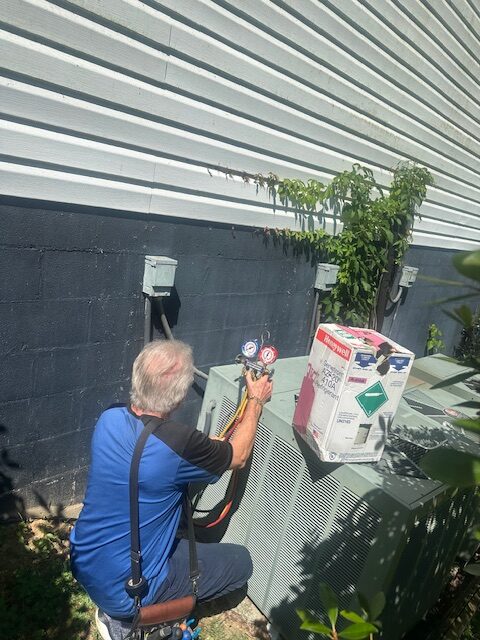
At Affordable AC & Service, we recommend a “Spring and Fall” schedule. In the spring, we prepare your system for the heavy cooling load of summer, and in the fall, we ensure your furnace or heat pump is safe and ready for the winter chill. During these visits, we clean the coils, check the refrigerant levels, and inspect the heat exchanger for any dangerous cracks. These visits are the best way to keep your system running at peak efficiency and, perhaps more importantly, they are often required by manufacturers to keep your system’s warranty valid.
Taking on the role of an HVAC manager for the first time can feel overwhelming, but it is one of the most rewarding ways to protect your new home. By identifying your system type, staying diligent with filter changes, and keeping your outdoor unit clear, you are already ahead of the curve. These simple habits, combined with a commitment to professional maintenance, will ensure that your home remains a sanctuary of comfort for many years to come. Remember that your heating and cooling system is working hard every single day to keep your family comfortable, and a little bit of care goes a long way. If you have questions about the system in your new home or want to schedule your first baseline inspection, the veteran-owned team at Affordable AC & Service is here to help our neighbors in Ten Mile and the surrounding area.